• info@chinapuxiong.com

BLOGS

All Blogs

The application and advantages of PVC architectural membrane structures

I. Application Areas

1. Temporary and Mid-Low Tier Structures

  • Shade Structures/Canopies:
    • Widely used in parking lots, residential complexes, commercial streets, etc. (e.g., PVC membrane carports).
    • Low cost (RMB 300–350/m²) and rapid deployment, ideal for temporary shading needs.
  • Agricultural Facilities:
    • Greenhouses, crop canopies, and livestock shelters, leveraging waterproof and light-diffusing properties to enhance plant growth or animal husbandry.
  • Public Infrastructure:
    • Urban facilities: Public restrooms, fitness plazas, trash collection shelters.
    • Temporary installations: Exhibition pavilions, landscape features, event stages, tents.
  • Industrial Uses:
    • Warehouses, remediation shelters, and mining structures requiring removable or temporary solutions.

2. Commercial and Branding Projects

  • Advertising and Brand Display:
    • PVC membranes enable easy printing of graphics and text, making them ideal for billboards, branded event tents, and promotional installations.
  • Functional Architectural Elements:
    • Covered walkways and entrance canopies for malls, hotels, etc., blending utility with aesthetics.

3. Sports and Recreation

  • Sports Facility Auxiliaries:
    • Perimeter fencing for sports fields, pool enclosures, and outdoor classrooms, utilizing flexibility and waterproofing to adapt to dynamic environments.
  • Play and Activity Zones:
    • Semi-permanent shade structures for parks, playgrounds, and recreational areas.

II. Core Advantages

1. Cost Efficiency

  • Affordable Material: PVC membranes cost one-third to half the price of ETFE membranes, thanks to accessible raw materials and mature production techniques.
  • Quick Installation: Factory pre-fabrication enables rapid on-site assembly, reducing labor costs and project timelines.

2. Lightweight and Flexibility

  • Low Self-Weight: Weighing just 1/30 of traditional building materials, PVC reduces structural loads and foundation costs.
  • Customizable Shapes: Easily molded via heat-pressing and welding techniques, supporting innovative architectural designs.

3. Functional Performance

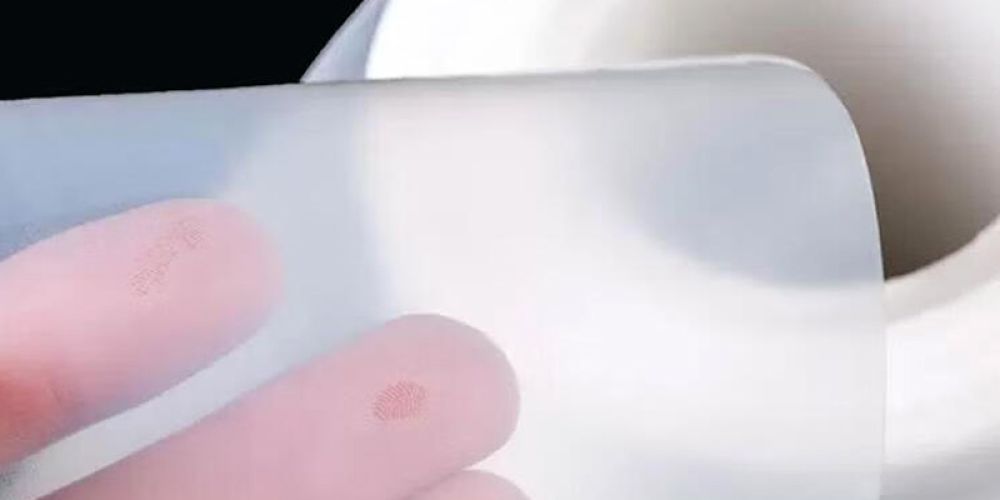
  • Light Diffusion10–20% light transmittance provides natural illumination, lowering daytime energy consumption.
  • Waterproofing: Dense surface structure effectively blocks rainwater infiltration.
  • Color Variety: Available in multiple hues to harmonize with architectural styles.

4. Sustainability

  • Recyclability: PVC membranes can be melted and reused, minimizing construction waste and aligning with green building initiatives.
  • Energy Savings: Reduced lighting demands due to translucency enhance energy efficiency.

5. Adaptability

  • Large-Span Coverage: Eliminates the need for internal supports, ideal for stadiums, exhibition halls, and similar spaces.
  • Portability: Suitable for relocatable or temporary projects like event tents and pop-up pavilions.