
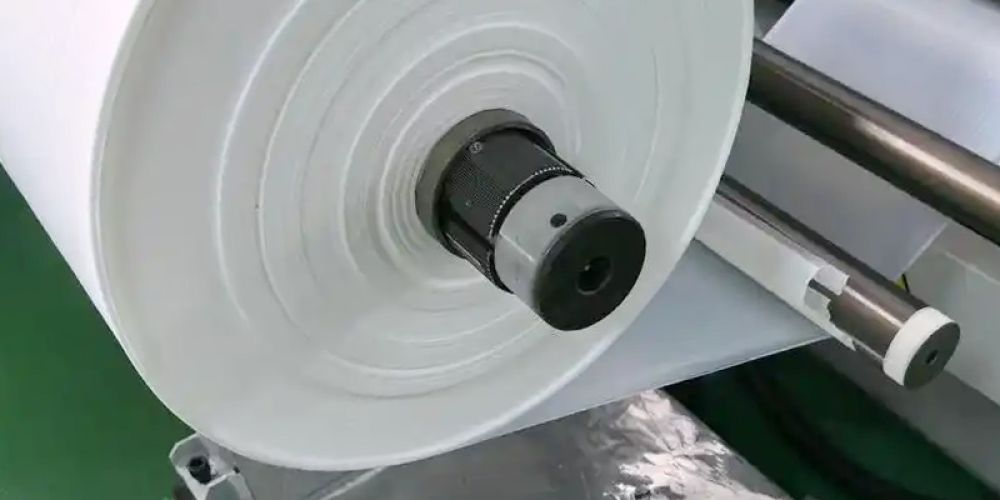
PTFE (polytetrafluoroethylene) film is a high-performance engineering plastic film renowned for its excellent chemical stability, high-temperature resistance, low coefficient of friction, and superior mechanical properties. It finds widespread application across various sectors, including industry, healthcare, environmental protection, and electronics. Key application scenarios and characteristics of PTFE film include:
1. Industrial Filtration and Separation
Gas Filtration: Thanks to its corrosion and high-temperature resistance, PTFE film is frequently used for gas filtration in industries such as chemicals, pharmaceuticals, and food processing—for instance, in the purification of corrosive gases and the filtration of high-temperature flue gas.
Liquid Filtration: It performs exceptionally well in acidic/alkaline environments or during the filtration of high-temperature liquids; examples include electroplating solution filtration and ultrapure water production for the semiconductor industry.
Microporous Membrane Applications: Produced via stretching or etching processes to create a microporous structure, these films are used for precision filtration (e.g., hemodialysis, virus filtration) or in applications requiring air permeability combined with water impermeability (e.g., waterproof-breathable membranes).
2. Healthcare and Biotechnology
Implantable Materials: With excellent biocompatibility, PTFE film is used to manufacture medical devices such as artificial blood vessels, heart valves, and surgical sutures.
Drug Delivery Systems: Acts as a controlled-release membrane to regulate drug release rates and enhance therapeutic efficacy.
Tissue Engineering Scaffolds: Porous PTFE film supports cell growth and is utilized in tissue repair and regenerative medicine.
3. Electronics and Electrical Engineering
Insulation Materials: Characterized by a low dielectric constant and high voltage resistance, PTFE film is widely used for insulation layers in capacitors, transformers, and wire/cable products.
Flexible Printed Circuits (FPC): Serves as a substrate or coverlay, providing protection against high temperatures and chemical corrosion.
High-Frequency Communication: In high-frequency fields such as 5G and radar technology, PTFE film is used to manufacture transmission lines that offer low signal loss and high stability.
4. Environmental Protection and Energy
Waterproof-Breathable Membranes: Used in outdoor apparel, tents, and sensors to provide waterproofing and breathability while preventing condensation.
Fuel Cells: Serves as the core material for proton exchange membranes (PEMs), enhancing fuel cell efficiency and durability.
Lithium-Ion Batteries: Used as a separator material to improve battery safety and cycle life. 5. Chemical Industry and Anti-Corrosion
Pipeline Lining: PTFE film can be bonded to the inner walls of metal pipes to prevent corrosion by aggressive media and extend equipment service life.
Storage Tank Lining: Used for vessels storing strong acids, strong alkalis, or organic solvents to prevent chemical corrosion.
Sealing Materials: Fabricated into gaskets and sealing rings suitable for high-temperature, high-pressure, or corrosive environments.
6. Construction and Packaging
Architectural Membranes: Used as waterproof, breathable layers for roofs and curtain walls to improve building energy efficiency.
Food Packaging: Properties such as high-temperature and chemical corrosion resistance make it suitable for applications like retort pouches and microwaveable packaging.
7. Aerospace
Thermal Protection Materials: The high-temperature resistance of PTFE film (with a long-term service temperature of up to 260°C) makes it an ideal choice for spacecraft thermal insulation layers.
Lubrication Materials: Acts as a solid lubricant to reduce friction and wear in mechanical components.
.jpg)
In the construction field, the heat-sealing production methods for different new membrane materials vary depending on…
.jpg)
In the construction field, the heat-sealing of PVDF membrane materials is mainly achieved through processes such…
.jpg)
Due to its unique molecular structure and excellent overall performance, PVDF (polyvinylidene fluoride) membrane material is…
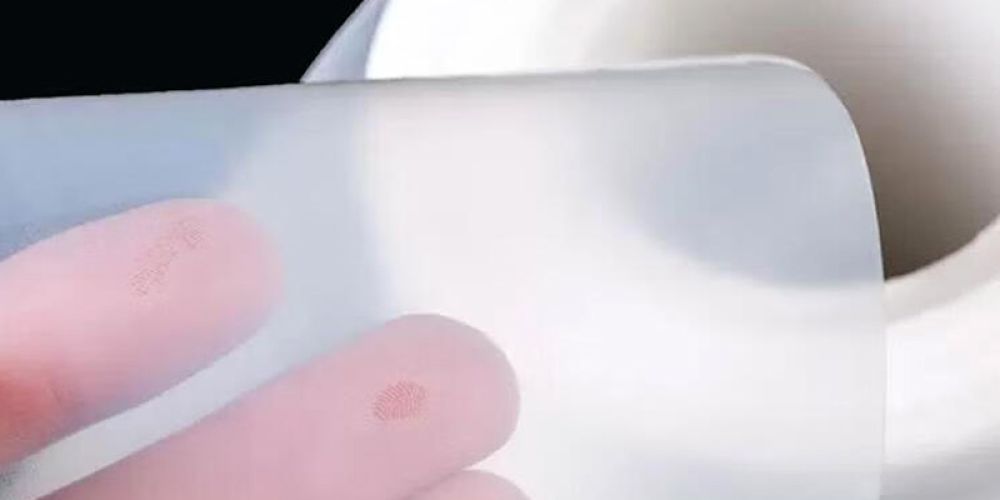
Chemical Inertness: Virtually unreactive with almost all chemical substances; resistant to acids, alkalis, and organic solvents…
PTFE (polytetrafluoroethylene) film is a high-performance engineering plastic film renowned for its excellent chemical stability, high-temperature…
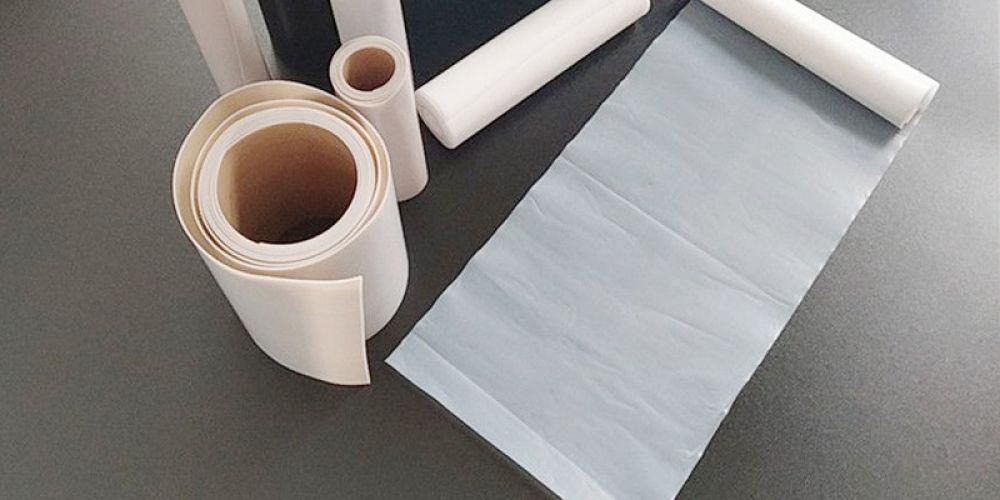
Microporous Structure Porosity exceeds 85%, with 1.4 billion micropores per square centimeter and pore sizes ranging…