
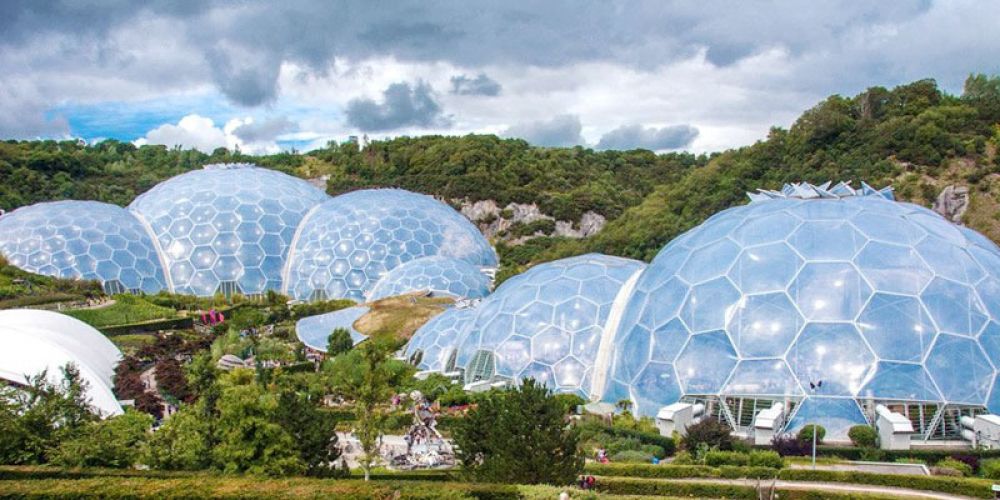
The "Cell Membrane" of Ecological Architecture: The Bionic Wisdom of the Eden Project's ETFE Air Cushion System
When visitors step into the Eden Project in Cornwall, England, and look up at the enormous dome composed of countless hexagonal and pentagonal air cushions, they experience not only the grandeur of the space but also a wondrous sense of life. These air-filled ETFE air cushions, much like the cell membranes of living organisms, exquisitely facilitate the exchange of matter, the transfer of energy, and the adaptation to the environment. The application of ETFE in the Eden Project goes far beyond engineering breakthroughs; it is a profound practice of biomimicry, showcasing the perfect fusion of artificial structures and natural laws.
Engineering Translation of Biological Cell Membranes
In biology, the cell membrane is the boundary of the basic unit of life—it is tough enough to maintain cell shape, yet permeable enough to facilitate the exchange of substances between the inside and outside; it possesses selectivity, recognizing and regulating the types and quantities of substances entering and leaving; it also has self-repair capabilities, ensuring cell integrity. The ETFE air cushion system from Eden Garden is an engineering translation of this natural principle:
Structure and Function Correspondence:
Selective Permeability: Just as cell membranes are "selectively permeable membranes," ETFE air cushions are "intelligent photothermal regulating membranes." By precisely controlling the number of air cushion layers (usually three) and the film thickness, designers have achieved high visible light transmittance (95%) while blocking some infrared rays, much like a cell membrane filters substances, selecting energy spectrum bands.
Flexible Stability: Cell membranes possess the flexible stability of a "fluid mosaic model," while ETFE air cushions maintain their shape through constant low-pressure air inside. When external loads change, the air cushions disperse stress through deformation, rather than rigidly resisting it. This "softness overcomes rigidity" strategy is similar to the principle by which cell membranes withstand changes in osmotic pressure.
Self-Maintenance: Cell membranes can repair minor damage through lipid flow. While ETFE membranes lack this biological function, their superior weather resistance and self-cleaning properties (smooth surface, dirt doesn't easily adhere, rainwater washes it away) result in extremely low maintenance requirements, making them a "long-lasting autonomous system" in an engineering sense.
System-Level Ecological Intelligence: The essence of biomimicry lies in imitating relationships and systems, not just individual forms. The wisdom of the Eden Garden ETFE Dome is reflected in its overall performance as an "artificial ecosystem shell":
Autonomous Microclimate Balance: The dome houses a self-sustaining microclimate system. During the day, the high light transmittance of ETFE allows ample sunlight, promoting plant photosynthesis and accumulating heat; at night, the air layer within the air cushion forms an effective insulation layer, slowing heat loss. This dynamic balance simulates the greenhouse effect of Earth's atmosphere, but on a more precise scale and with a more direct response. The dome eliminates the need for the massive heating systems of traditional greenhouses, relying primarily on natural energy flow and the regulation of the ETFE shell, significantly reducing operating energy consumption.
Integrated Water Cycle Design: Rainwater falls onto the ETFE dome and collects along specially designed membrane channels, where it is purified and used for irrigation and landscaping within the dome. This not only achieves resource recycling but also replicates the water cycle process in a natural ecosystem. The chemical inertness of the ETFE membrane material itself ensures the cleanliness of the collected water, demonstrating the unity of material selection and ecological function.
.jpg)
In the construction field, the heat-sealing production methods for different new membrane materials vary depending on…
.jpg)
In the construction field, the heat-sealing of PVDF membrane materials is mainly achieved through processes such…
.jpg)
Due to its unique molecular structure and excellent overall performance, PVDF (polyvinylidene fluoride) membrane material is…
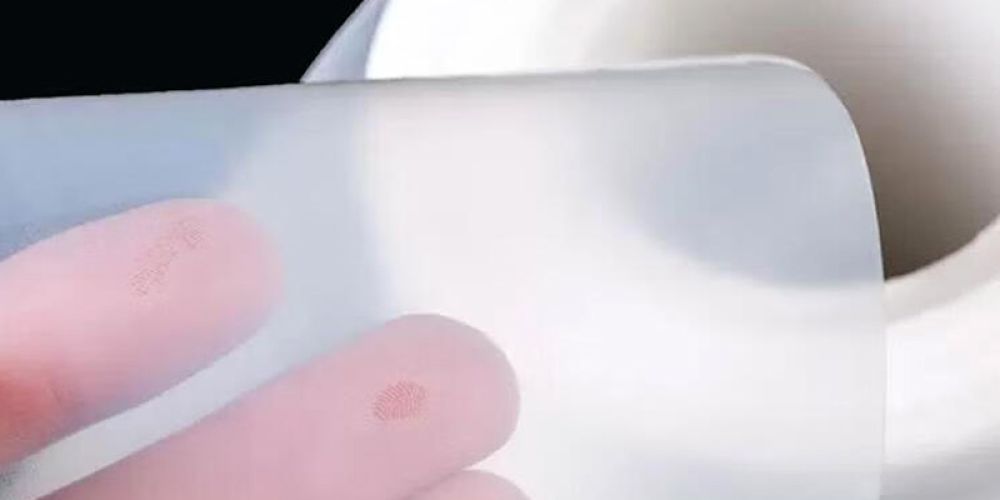
Chemical Inertness: Virtually unreactive with almost all chemical substances; resistant to acids, alkalis, and organic solvents…
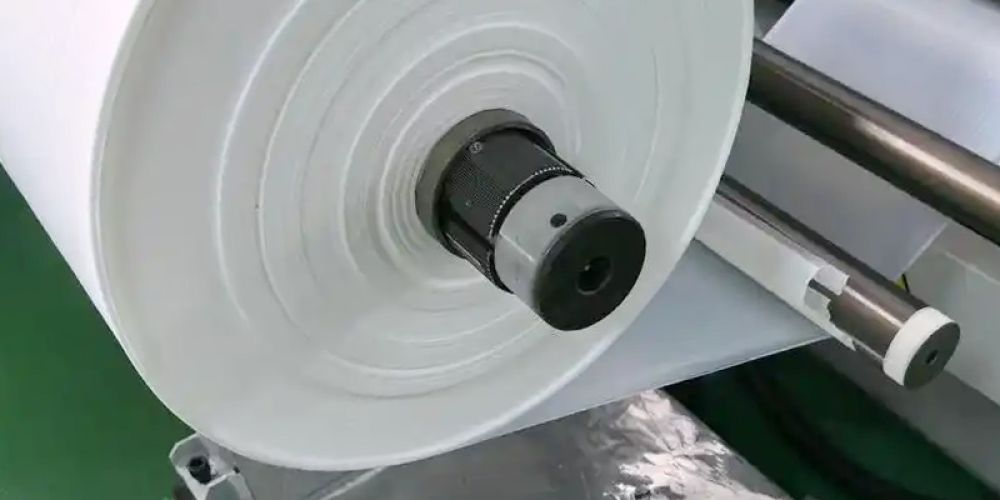
PTFE (polytetrafluoroethylene) film is a high-performance engineering plastic film renowned for its excellent chemical stability, high-temperature…
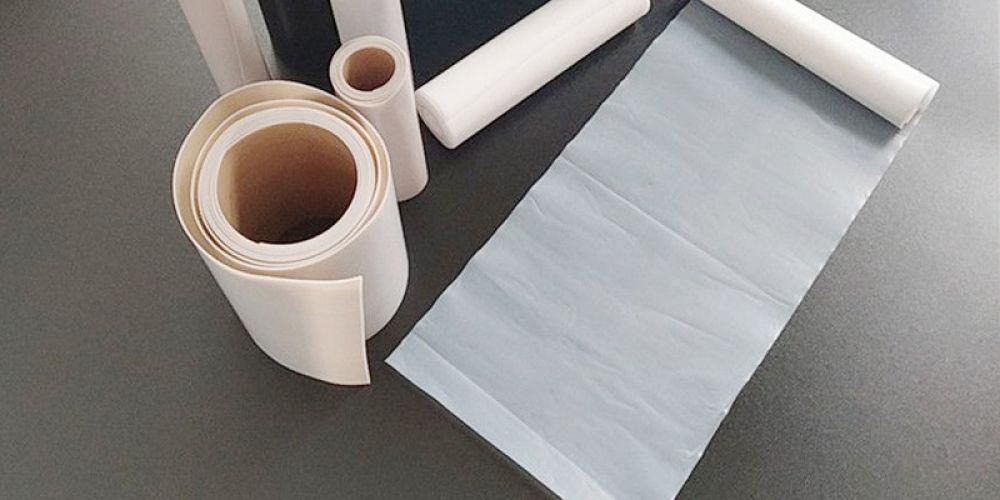
Microporous Structure Porosity exceeds 85%, with 1.4 billion micropores per square centimeter and pore sizes ranging…