
.jpg)
PVDF membrane fabric and PVC membrane fabric are the two most commonly used flexible materials in current membrane structure buildings. Their performance differences are significant, directly determining the application scenarios and long-term value.
A comparative analysis of the core differences:
Durability and lifespan (the most core difference)
PVDF membrane fabric: Outstanding. Its core coating, polyvinylidene fluoride (PVDF), has extremely strong weather resistance, effectively resisting ultraviolet rays, high temperatures, severe cold, acid rain, and chemical corrosion. The surface is usually covered with a highly weather-resistant fluorocarbon surface layer (such as PVF film). The service life is typically over 20-25 years, with very slow color and physical property degradation.
PVC membrane fabric: Good. The polyvinyl chloride (PVC) coating will gradually turn yellow, become brittle and lose its luster under long-term outdoor exposure due to the influence of ultraviolet rays and plasticizer migration. Although the surface PVDF layer treatment can improve it, the overall service life is generally 10-15 years.
2. Self-cleaning property
PVDF membrane fabric: Excellent. Its fluoropolymer surface has a low surface energy and exhibits a strong "lotus leaf effect", making it difficult for dust and dirt to adhere. Most of it can be washed clean by rainwater, maintaining its good appearance for a long time.
PVC film fabric: Average. The surface of the coating has relatively high stickiness, which easily attracts dust and organic matter, and is prone to mold growth, requiring more frequent manual cleaning and maintenance.
3. Mechanical Properties
PVDF Membrane Fabric: High strength and high stability. Under the same strength, its membrane material is thinner and lighter. Under long-term load and temperature changes, its tensile creep resistance and stress relaxation performance are far superior to PVC, and it has excellent shape retention ability.
PVC membrane fabric: Moderate strength. A thicker coating is required to meet the strength requirements, and the weight is relatively large. Under long-term stress, creep is more obvious, and the pre-tension loss is relatively fast.
4. Fire Resistance
PVDF Membrane Fabric: Excellent. PVDF resin is inherently flame retardant and can quickly self-extinguish when removed from the fire source. It produces low smoke during combustion and has a small smoke density.
PVC film fabric: Basic flame retardant. By adding flame retardants, it can reach the B1 grade of difficult combustion standards, but it generates a large amount of smoke when burning and may release harmful gases such as hydrogen chloride.
5. Environmental friendliness
PVDF membrane fabric: Superior. The material is stable, with almost no plasticizer leaching, and has good recyclability (requiring specialized technology).
PVC film fabric: There are concerns. Residual vinyl chloride monomer may exist during production and use, and incineration for disposal after being discarded may cause environmental problems such as dioxin emissions. Plasticizers may be slowly released over time.
6. Cost
PVDF membrane fabric: Expensive. Due to the high cost of raw materials and the demanding manufacturing process, its price is typically 1.5 to 2.5 times that of the same grade PVC membrane fabric.
PVC film fabric: Economical. It has low raw material costs and a mature production process, offering an extremely high cost-performance ratio.
Summary and Application Selection
Select PVDF Membrane Fabric: It is suitable for permanent sign buildings, large sports venues, transportation hubs, etc., where extremely high requirements are placed on lifespan, self-cleaning properties, and long-term appearance durability. With low maintenance costs throughout its entire life cycle, it is the ideal choice for those seeking quality and long-term value.
Choose PVC membrane fabric: It is suitable for temporary or semi-permanent buildings, medium and small-sized sports facilities, storage, and projects sensitive to initial investment. With proper maintenance, it can also serve reliably for a considerable number of years.
In short, PVDF is a "high-performance material" for high-end and permanent solutions, while PVC is a "cost-effective material" that meets basic functional requirements. The choice depends on the project's budget, positioning, and life cycle considerations.
.jpg)
In the construction field, the heat-sealing production methods for different new membrane materials vary depending on…
.jpg)
In the construction field, the heat-sealing of PVDF membrane materials is mainly achieved through processes such…
.jpg)
Due to its unique molecular structure and excellent overall performance, PVDF (polyvinylidene fluoride) membrane material is…
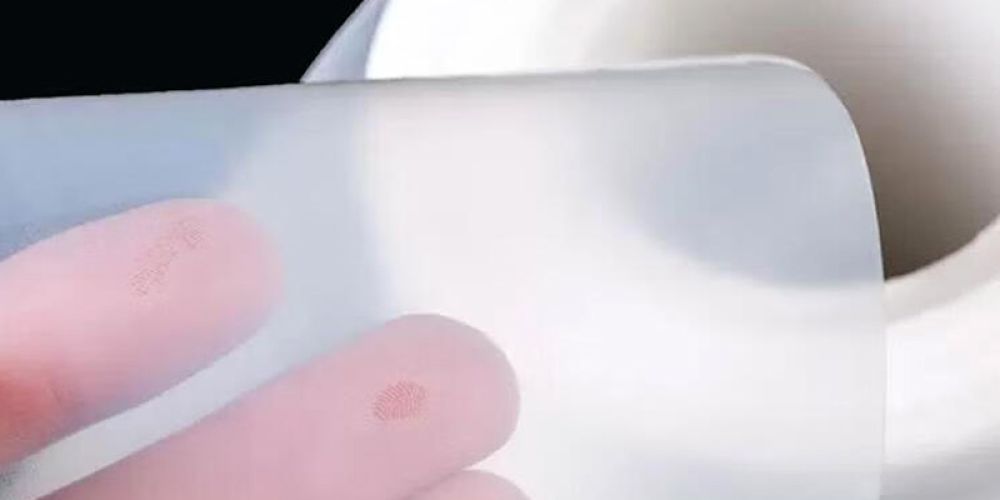
Chemical Inertness: Virtually unreactive with almost all chemical substances; resistant to acids, alkalis, and organic solvents…
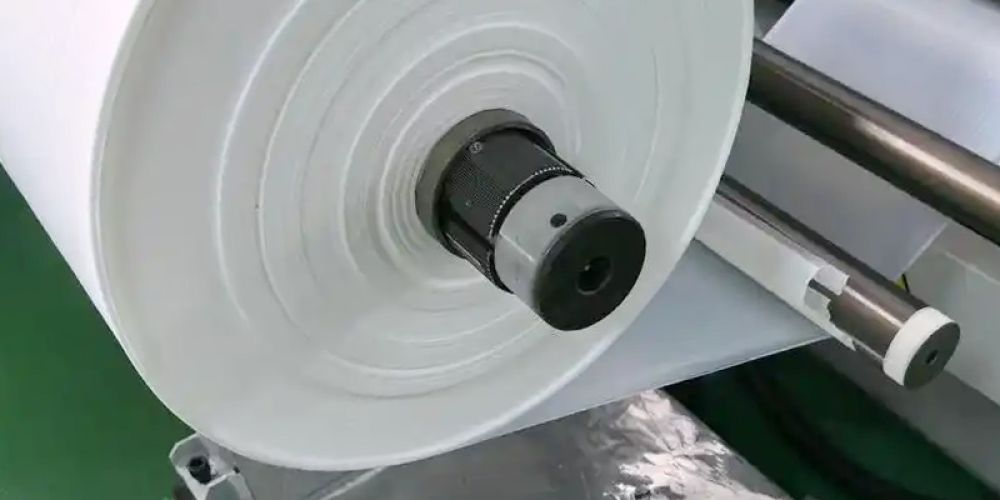
PTFE (polytetrafluoroethylene) film is a high-performance engineering plastic film renowned for its excellent chemical stability, high-temperature…
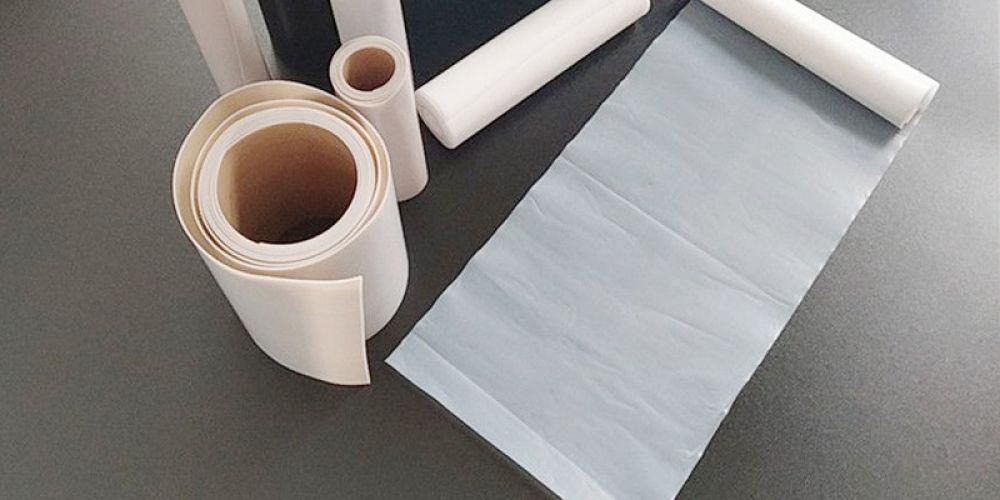
Microporous Structure Porosity exceeds 85%, with 1.4 billion micropores per square centimeter and pore sizes ranging…