
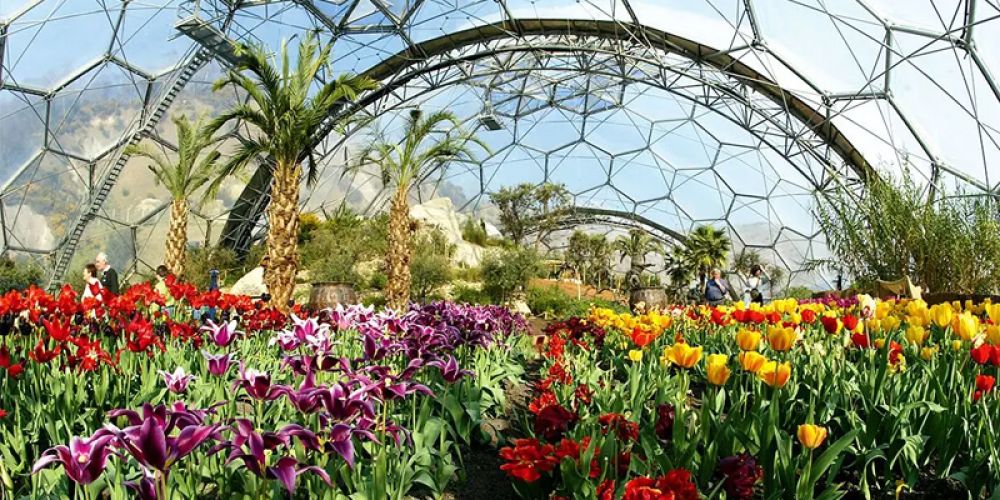
How is ETFE Applied Here? — Technical Details Explained
The application of ETFE at Eden is a textbook example of innovation:
Air Cushion Unit System:
The dome is not composed of a single membrane, but rather hundreds of individual hexagonal and pentagonal ETFE air cushions, forming a giant grid dome structure.
Each air cushion is typically made of three layers of ETFE film, secured and sealed with aluminum alloy profiles at the edges, and then filled with low-pressure air to form a stable "bubble" pad. This structure is extremely lightweight yet can withstand considerable wind and snow loads.
Perfect Demonstration of Core Advantages:
Extreme Lightness and Span: The weight of ETFE (approximately 1-2 kg per square meter) is 1/100th that of glass. This makes it possible to cover enormous spans and heights without constructing heavy support structures, perfectly meeting the terrain constraints of the mine and the need to create open interior spaces.
Superior Light Transmittance: ETFE has a light transmittance of up to 95%, far exceeding that of glass. This provides the most natural light conditions for the photosynthesis of the plants inside the building, which is fundamental to maintaining the internal ecosystem.
Self-cleaning and Durable: The membrane surface is extremely smooth, making it difficult for dust and dirt to adhere. Rainwater can easily wash it away, greatly reducing maintenance costs. It has excellent weather resistance and a service life of over 25 years.
Insulation and Energy Saving: The air layers inside the multi-layered air cushion form an excellent insulation layer, helping to stabilize the indoor temperature. At the same time, its high light transmittance reduces the need for artificial lighting during the day.
.jpg)
In the construction field, the heat-sealing production methods for different new membrane materials vary depending on…
.jpg)
In the construction field, the heat-sealing of PVDF membrane materials is mainly achieved through processes such…
.jpg)
Due to its unique molecular structure and excellent overall performance, PVDF (polyvinylidene fluoride) membrane material is…
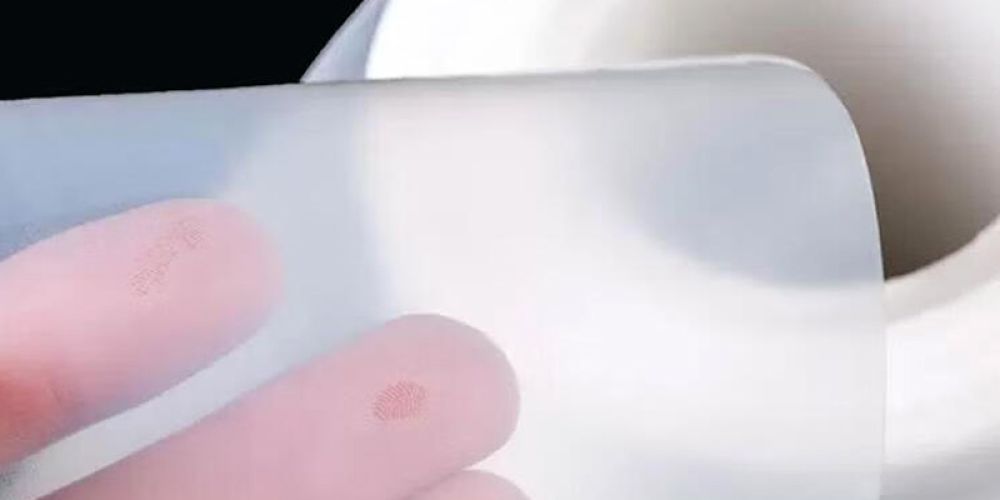
Chemical Inertness: Virtually unreactive with almost all chemical substances; resistant to acids, alkalis, and organic solvents…
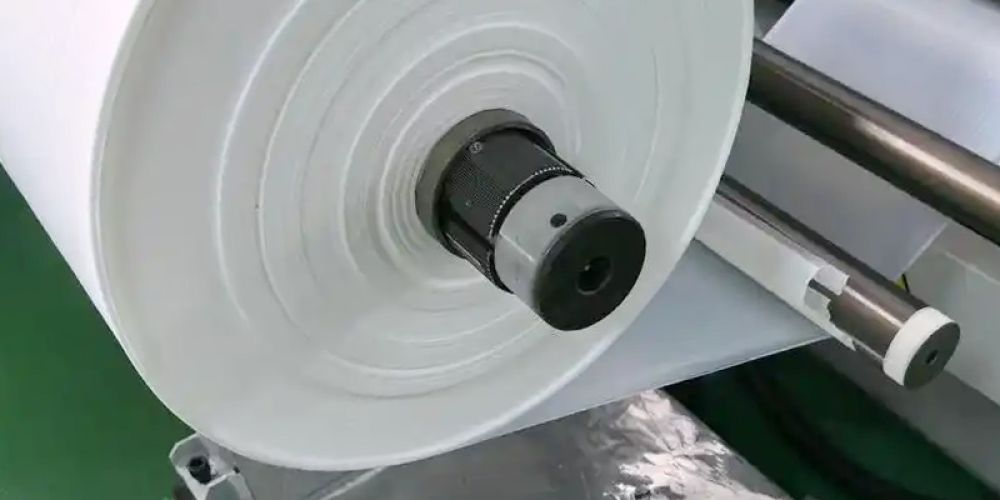
PTFE (polytetrafluoroethylene) film is a high-performance engineering plastic film renowned for its excellent chemical stability, high-temperature…
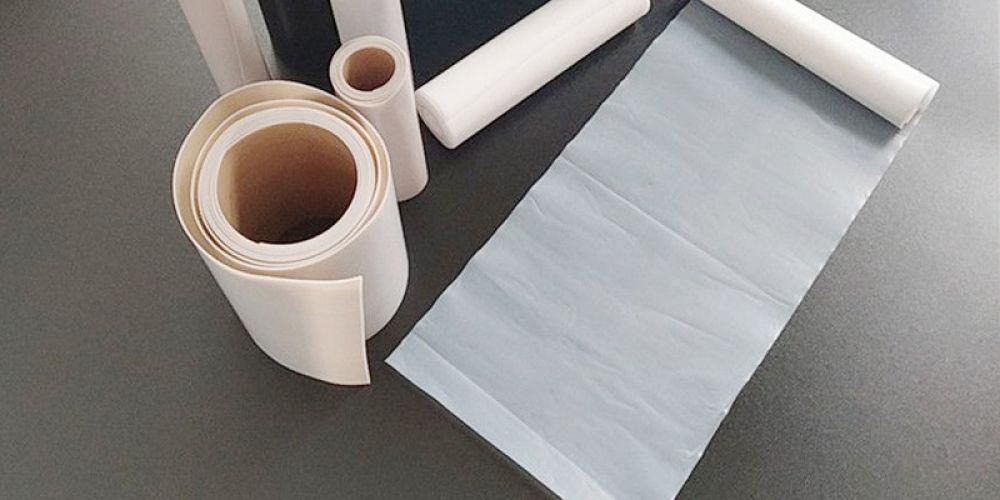
Microporous Structure Porosity exceeds 85%, with 1.4 billion micropores per square centimeter and pore sizes ranging…