
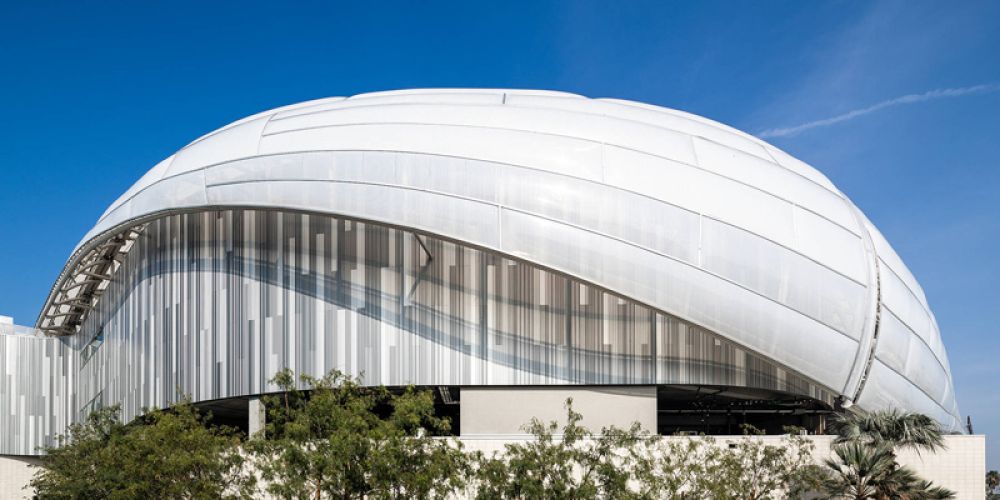
Fabric-based membrane materials (coated fabrics)
This is the most mainstream and widely used material in membrane structure engineering. Its structure is typically composed of a base fiber fabric and a surface coating, featuring high strength, good flexibility, and high durability.
Core Structure:
Fabric Substrate (Skeleton): Provides the material with tensile strength and mechanical properties.
Coating: Encapsulates the fibers, protects the substrate, and imparts sealing, self-cleaning, weather resistance, and fire resistance properties.
Top Layer (Optional): The outermost functional coating, such as PVDF (polyvinylidene fluoride), primarily providing excellent self-cleaning and weather resistance.
Main Types:
PTFE Membrane Material (Polytetrafluoroethylene)
Substrate: Fiberglass.
Features:
High Strength and High Durability: Service life can reach over 25 years, making it the first choice for permanent buildings.
Excellent Self-Cleaning Properties: Naturally inert, does not attract dust, and can be cleaned by rainwater.
Excellent Fire Resistance: Class A non-combustible material.
**Good Chemical Stability:** Corrosion resistant and highly UV resistant.
**Disadvantages:** Expensive; slightly less foldable; requires extra care during transportation and installation; initially milky white, turns whiter with exposure to sunlight.
**Applications:** Landmark permanent buildings such as stadiums, airport terminals, and large transportation hubs.
**PVC Membrane Material (Polyvinyl Chloride)**
**Base Material:** Polyester fiber.
**Features:**
Flexible and easy to process: Foldable, convenient for transportation and installation.
**High Cost-Effectiveness:** Relatively inexpensive, the most widely used membrane material.
**Rich Colors:** Available in various colors.
**Disadvantages:**
**Moderate Durability:** Lifespan is typically 10-15 years.
**Poor Self-Cleaning:** The surface coating easily attracts dust, requiring regular cleaning.
**Environmental Impact:** Contains chlorine; careful waste disposal is required.
Improved Type – PVC+PVDF Surface Layer: A PVDF (polyvinylidene fluoride) surface layer is applied over the PVC coating, significantly improving UV resistance and self-cleaning properties. This is currently the mainstream configuration for mid-to-high-end PVC membrane materials.
Applications: Sports facilities, commercial plazas, parking lots, landscape features, and other small to medium-sized and temporary structures.
ETFE Film (Ethylene-Tetrafluoroethylene Copolymer)
Strictly speaking, ETFE is not a "coated fabric," but a transparent fluoropolymer film.
Features:
Excellent Light Transmittance: Light transmittance can reach 95%, and it can filter most ultraviolet rays.
Lightweight and High-Strength: Weighs only 1% of glass of the same area.
Excellent Durability: Extremely weather-resistant, with a service life exceeding 25 years.
Good Self-Cleaning Properties: Smooth surface, not easily attracting dirt.
Highly Flexible: Often made into air cushion form, possessing excellent thermal insulation and acoustic properties.
Disadvantages: Very expensive, requires extremely high processing and installation skills. Applications: Buildings requiring high light transmittance and lightweight design, such as the "Water Cube," greenhouse botanical gardens, and architectural atriums.
.jpg)
In the construction field, the heat-sealing production methods for different new membrane materials vary depending on…
.jpg)
In the construction field, the heat-sealing of PVDF membrane materials is mainly achieved through processes such…
.jpg)
Due to its unique molecular structure and excellent overall performance, PVDF (polyvinylidene fluoride) membrane material is…
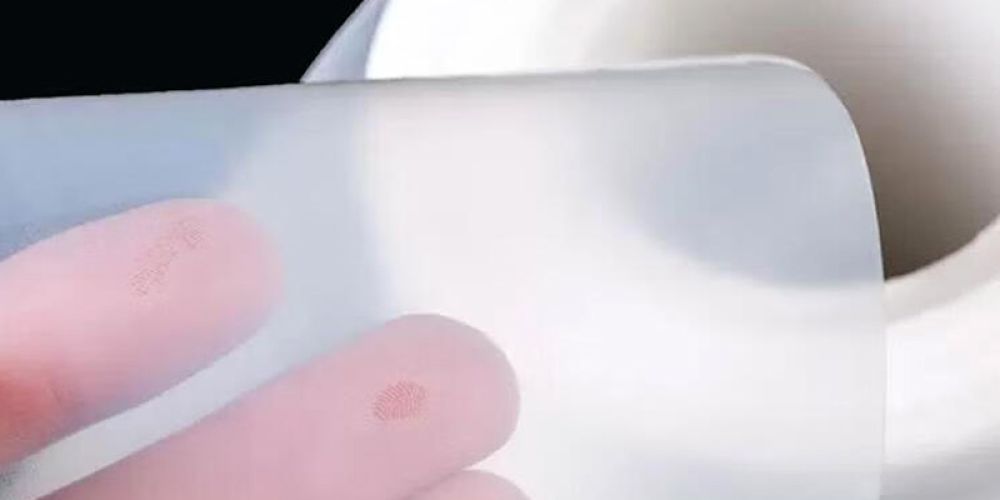
Chemical Inertness: Virtually unreactive with almost all chemical substances; resistant to acids, alkalis, and organic solvents…
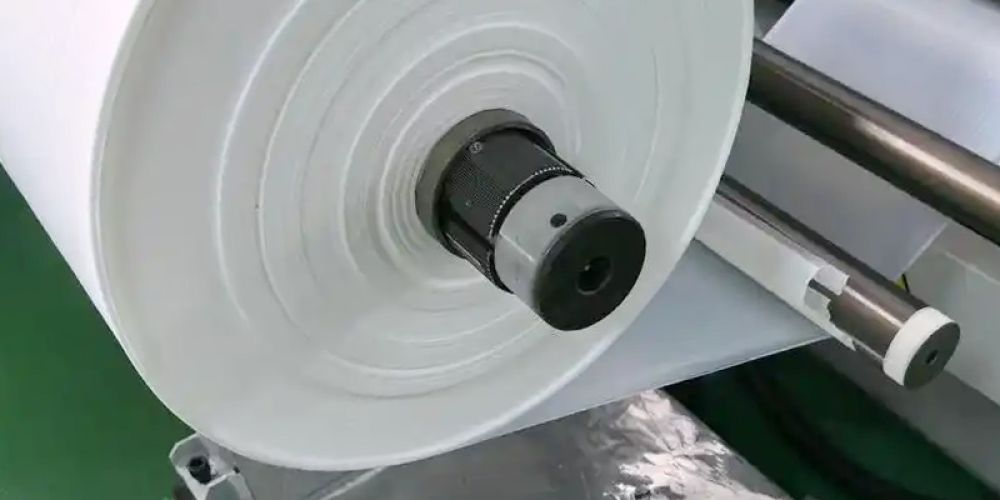
PTFE (polytetrafluoroethylene) film is a high-performance engineering plastic film renowned for its excellent chemical stability, high-temperature…
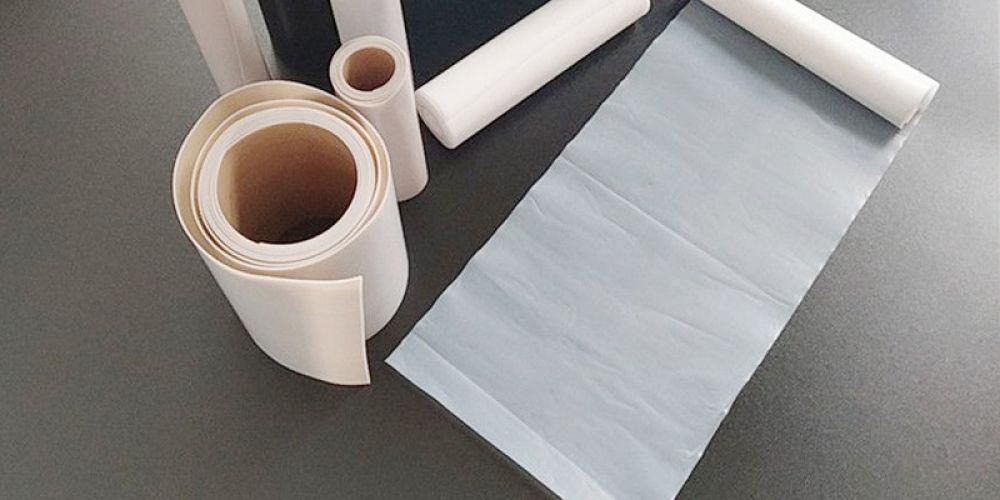
Microporous Structure Porosity exceeds 85%, with 1.4 billion micropores per square centimeter and pore sizes ranging…