
.jpg)
I. Material Nature and Structural Differences
ETFE (ethylene-tetrafluoroethylene copolymer) is a copolymer of ethylene and tetrafluoroethylene. Retaining some hydrogen atoms in its molecular chain, it is a thermoplastic fluoroplastic that can be repeatedly processed and molded through melting and injection molding. It is a pure film without a substrate, lightweight and flexible, often used in construction as inflatable air cushions.
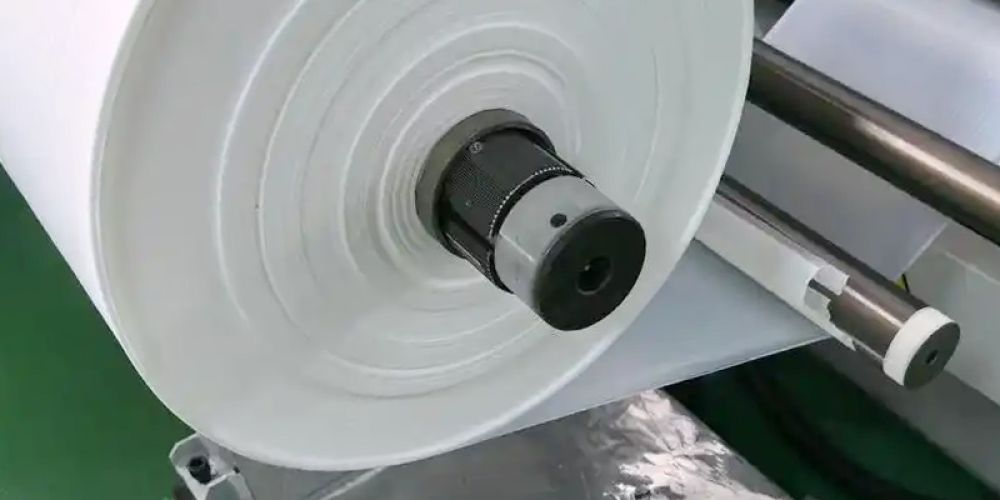
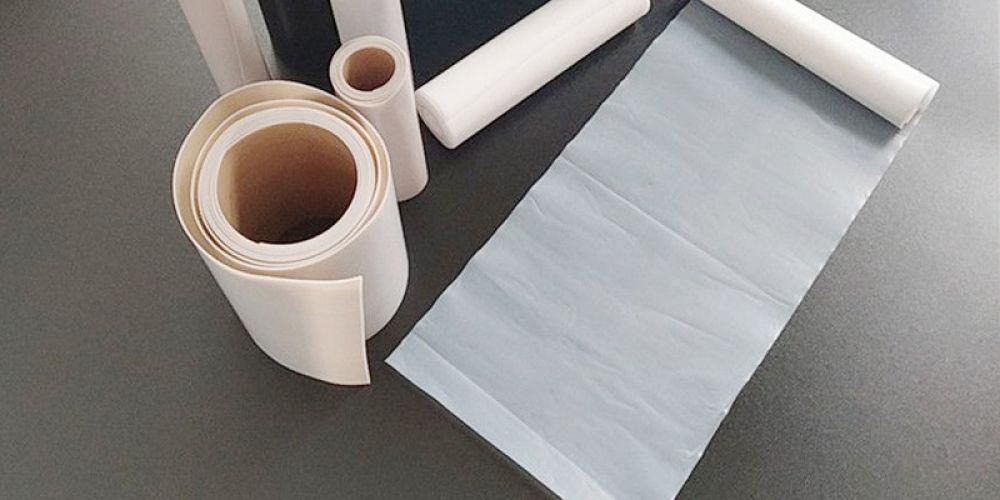
PTFE (polytetrafluoroethylene), on the other hand, is polymerized from tetrafluoroethylene monomers. Its molecular structure is a perfluorocarbon chain, forming a dense "fluorine atom armor," making it extremely chemically inert. In practical applications, PTFE membrane materials typically use glass fiber as the substrate, coated with PTFE resin to form a composite structure, combining the tensile strength of the substrate with the weather resistance of the coating.
II. Key Performance Comparison
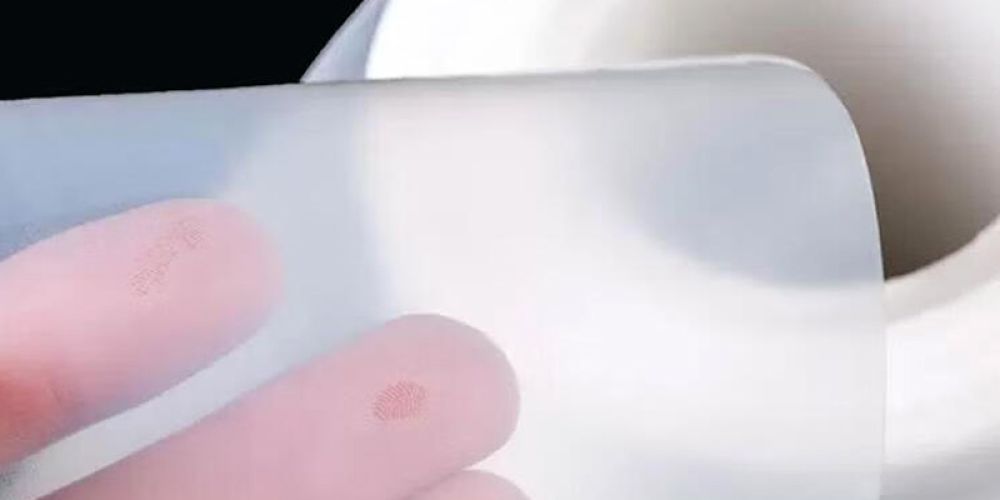
Light Transmittance and Lighting Effect: ETFE membrane materials have a light transmittance of up to 95%, allowing almost all wavelengths of natural light to pass through, including ultraviolet light crucial for plant growth. This makes it ideal for creating ecological spaces requiring natural lighting, such as greenhouses and exhibition halls. PTFE membranes have a light transmittance of only 10%-50%, exhibiting a milky white, semi-transparent appearance. Their limited light transmission capacity makes them more suitable for locations with low lighting requirements or those requiring soft lighting.
**Weight and Structural Load:** ETFE membranes are extremely lightweight, weighing only 1% of glass, significantly reducing the burden on the supporting structure and lowering overall building costs. While PTFE membranes are also much lighter than traditional building materials, they are still heavier than ETFE membranes, placing relatively higher demands on the supporting structure.
**Temperature Resistance and Applicable Environment:** ETFE membranes have a temperature resistance range of -200℃ to 150℃, with a relatively low upper limit; they soften and deform easily when the temperature exceeds 180℃. PTFE membranes offer superior temperature resistance, operating stably in environments ranging from -180℃ to 260℃, and even withstanding temperatures as high as 300℃ for short periods, making them more suitable for extreme environments such as high temperatures and severe cold.
**Temperature Resistance and Applicable Environment:** ETFE membranes have a temperature resistance range of -200℃ to 150℃, with a relatively low upper limit; they are prone to softening and deformation when the temperature exceeds 180℃. Mechanical Properties and Damage Resistance: ETFE membrane material has a tensile strength of approximately 50 MPa and an elongation at break exceeding 300%, exhibiting extremely strong impact resistance and effectively resisting impacts from hail, strong winds, and other external forces. PTFE membrane material has relatively lower tensile strength and exhibits a "cold flow" phenomenon, but it has better tear resistance and is less prone to large-area damage.
Surface Properties and Self-Cleaning Ability: ETFE membrane material has a coefficient of friction of 0.3, a smooth surface, and excellent self-cleaning properties; rainwater can wash away most stains. PTFE membrane material has a coefficient of friction of only 0.04, one of the lowest known coefficients of friction for solid materials. Its ultra-slippery and non-stick properties make its self-cleaning and self-lubricating properties superior, almost preventing the adhesion of any stains.
Fire Resistance and Safety Rating: ETFE membrane material is classified as a B1-class flame-retardant material, self-extinguishing and non-dripping when burning, providing a certain level of fire safety. PTFE membrane material reaches the A-class fire resistance standard, with a higher fire resistance limit, making it more suitable for densely populated locations with extremely high safety requirements, such as airports and stadiums. III. Differences in Application Scenarios
ETFE membranes, with their high light transmittance, lightweight, and malleability, are primarily used in architectural lighting structures, such as iconic buildings like the Beijing "Water Cube" and the Garden of Eden in the UK, creating transparent and aesthetically pleasing interior spaces. Furthermore, ETFE membranes are widely used in the photovoltaic and electronics industries, serving as backsheets for solar cells and coatings for lithium-ion battery separators, leveraging their insulation and weather resistance advantages. In agricultural greenhouses, the full-spectrum light transmittance of ETFE membranes promotes plant photosynthesis and improves growth efficiency.
PTFE membranes, on the other hand, with their superior weather resistance, high-temperature resistance, and stability, have become the preferred material for large, permanent venues, such as airport terminals and sports centers, maintaining excellent performance over long-term use.
.jpg)
In the construction field, the heat-sealing production methods for different new membrane materials vary depending on…
.jpg)
In the construction field, the heat-sealing of PVDF membrane materials is mainly achieved through processes such…
.jpg)
Due to its unique molecular structure and excellent overall performance, PVDF (polyvinylidene fluoride) membrane material is…
Chemical Inertness: Virtually unreactive with almost all chemical substances; resistant to acids, alkalis, and organic solvents…
PTFE (polytetrafluoroethylene) film is a high-performance engineering plastic film renowned for its excellent chemical stability, high-temperature…
Microporous Structure Porosity exceeds 85%, with 1.4 billion micropores per square centimeter and pore sizes ranging…