
.jpg)
The commonly used membrane materials for tensile membrane structures mainly fall into three categories: PVC, PTFE, and ETFE. Each type has its own strengths in performance, lifespan, and applicable scenarios, allowing for flexible selection based on project needs.
1. PVC Membrane Material: PVC (polyvinyl chloride) membrane is the most common basic material in tensile membrane structures, offering low cost and convenient construction.
Advantages: Good flexibility, rich colors, weldable, adjustable light transmittance, suitable for temporary or short-to-medium-term buildings.
Disadvantages: Poor self-cleaning properties, prone to aging with long-term exposure, and a typical lifespan of 8–15 years.
Applicable Scenarios: Non-permanent buildings such as exhibition halls, landscape canopies, and commercial sunshades.
2. PTFE Membrane Material: PTFE (polytetrafluoroethylene) membrane is made by coating fiberglass fabric with Teflon resin and is a high-end permanent membrane material.
Advantages: Strong weather resistance, high fire rating (B1), excellent self-cleaning properties, and a lifespan of over 25 years. Disadvantages: Higher price, slightly less flexibility, requires specialized construction techniques.
Suitable Scenarios: Stadiums, airport terminals, large public facilities, and other buildings with high durability requirements.
3. ETFE Membrane Material (“Soft Glass”)
ETFE (ethylene-tetrafluoroethylene copolymer) is a substrate-free transparent film, known for its lightweight and high transparency.
Advantages: Light transmittance up to 95%, weight only 1% of glass, 100% recyclable, excellent anti-aging properties, and a lifespan of 25-35 years.
Disadvantages: Requires inflation to form an air cushion structure, making the maintenance system more complex.
Typical Applications: Beijing's "Water Cube," the UK's Eden Project, ecological greenhouses, and other buildings requiring natural lighting.
.jpg)
In the construction field, the heat-sealing production methods for different new membrane materials vary depending on…
.jpg)
In the construction field, the heat-sealing of PVDF membrane materials is mainly achieved through processes such…
.jpg)
Due to its unique molecular structure and excellent overall performance, PVDF (polyvinylidene fluoride) membrane material is…
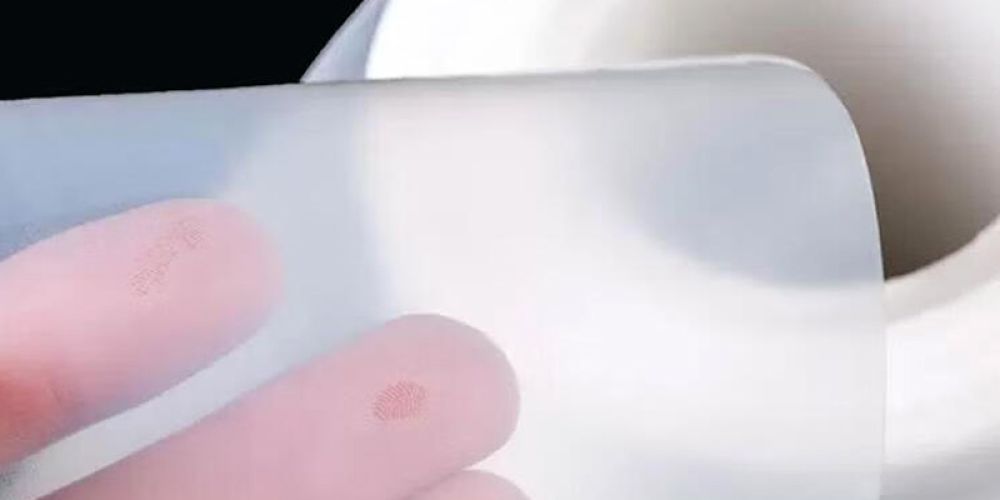
Chemical Inertness: Virtually unreactive with almost all chemical substances; resistant to acids, alkalis, and organic solvents…
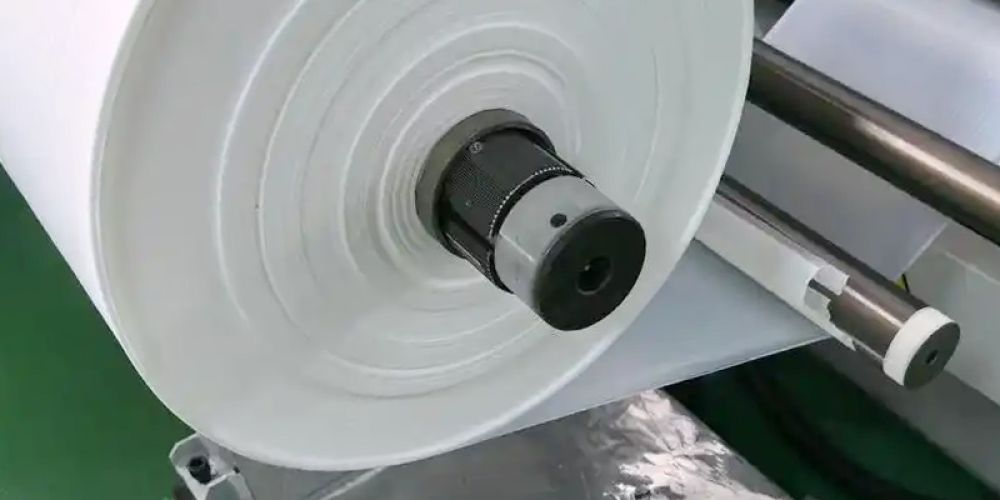
PTFE (polytetrafluoroethylene) film is a high-performance engineering plastic film renowned for its excellent chemical stability, high-temperature…
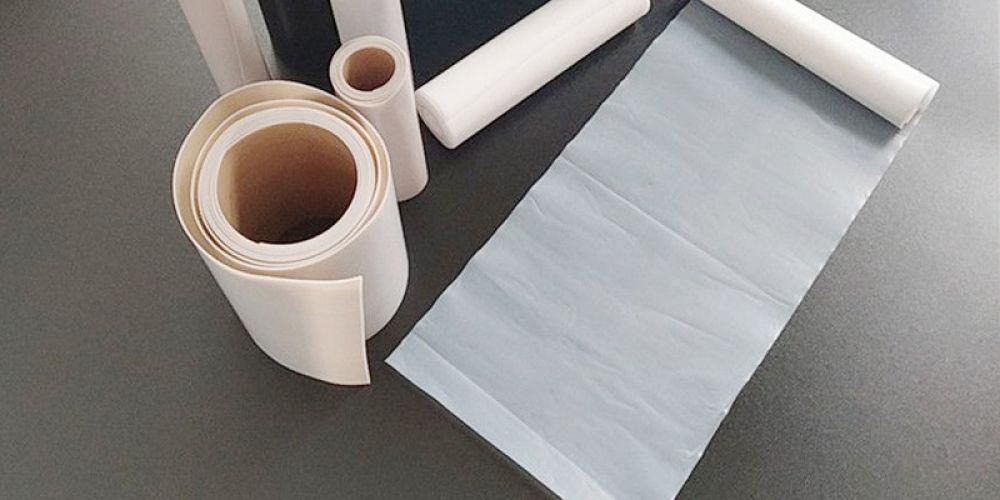
Microporous Structure Porosity exceeds 85%, with 1.4 billion micropores per square centimeter and pore sizes ranging…