
.jpg)
Tensile membrane structures exhibit excellent seismic performance, primarily due to their lightweight yet high strength, flexible energy dissipation, and structural redundancy.
The stability of tensile membrane structures under seismic loads stems from a design philosophy of "overcoming rigidity with flexibility":
**Lightweight and Low Seismic Inertial Force:** Tensile membrane structures are extremely lightweight, approximately 1/5 the weight of steel structures and 1/40 the weight of concrete structures. Since seismic forces are proportional to mass, the lightweight characteristic significantly reduces the inertial forces generated during earthquakes, making the structure less responsive to seismic events.
**Flexible Structure with "Flexible Energy Dissipation" Membrane materials (such as PTFE and ETFE)** possess high elasticity, absorbing and dissipating energy through tensile deformation during earthquakes, preventing rigid failure. Simultaneously, the prestressed steel cable system forms an "elastic reserve," releasing stress through membrane deformation during earthquakes and automatically recovering afterward, reducing residual deformation.
**Multi-Path Force Transfer and Structural Redundancy Design:** The membrane surface, along with supporting structures such as steel columns and trusses, forms a composite system, allowing loads to be distributed through multiple paths, avoiding stress concentration. Even if the membrane material tears locally, the overall structure remains safe as long as the rigid supporting components (such as masts and beams) remain stable.
Intelligent Control and Self-Resetting Capability: Modern tensile membrane structures are equipped with tension sensors and dampers, which can monitor and dynamically adjust the prestress in real time, improving the accuracy of seismic response. After an earthquake, the membrane surface can automatically reset due to the prestress, restoring it to a usable state without manual intervention.
Furthermore, the supporting structure often uses a combination of steel columns and rubber bearings, allowing horizontal sliding to dissipate seismic energy, further enhancing seismic performance.
.jpg)
In the construction field, the heat-sealing production methods for different new membrane materials vary depending on…
.jpg)
In the construction field, the heat-sealing of PVDF membrane materials is mainly achieved through processes such…
.jpg)
Due to its unique molecular structure and excellent overall performance, PVDF (polyvinylidene fluoride) membrane material is…
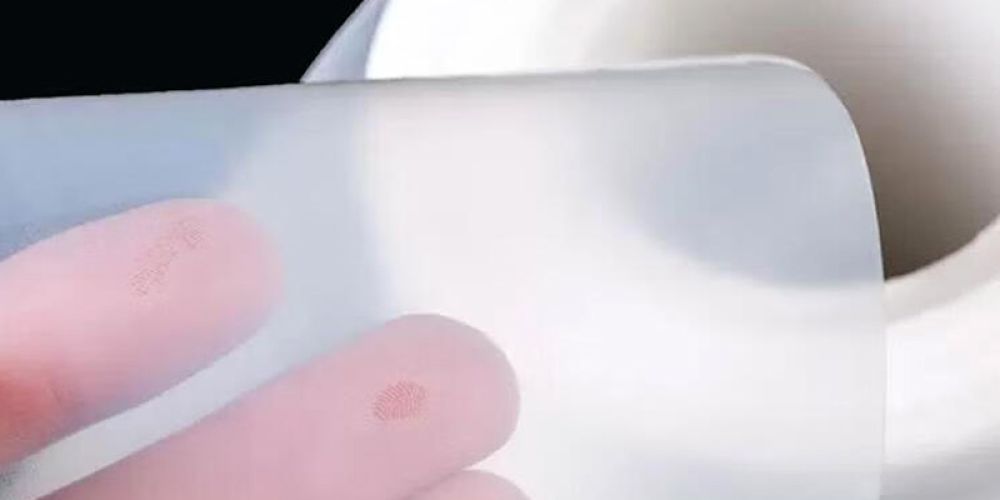
Chemical Inertness: Virtually unreactive with almost all chemical substances; resistant to acids, alkalis, and organic solvents…
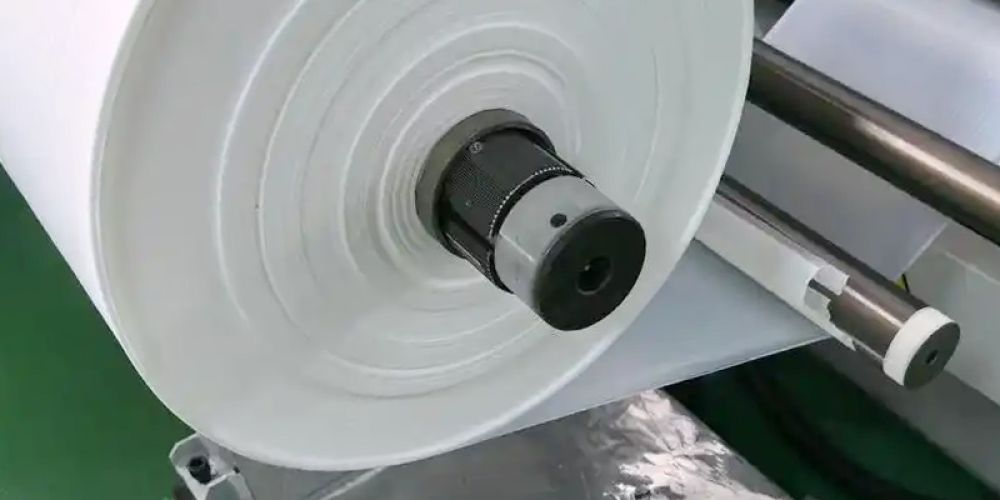
PTFE (polytetrafluoroethylene) film is a high-performance engineering plastic film renowned for its excellent chemical stability, high-temperature…
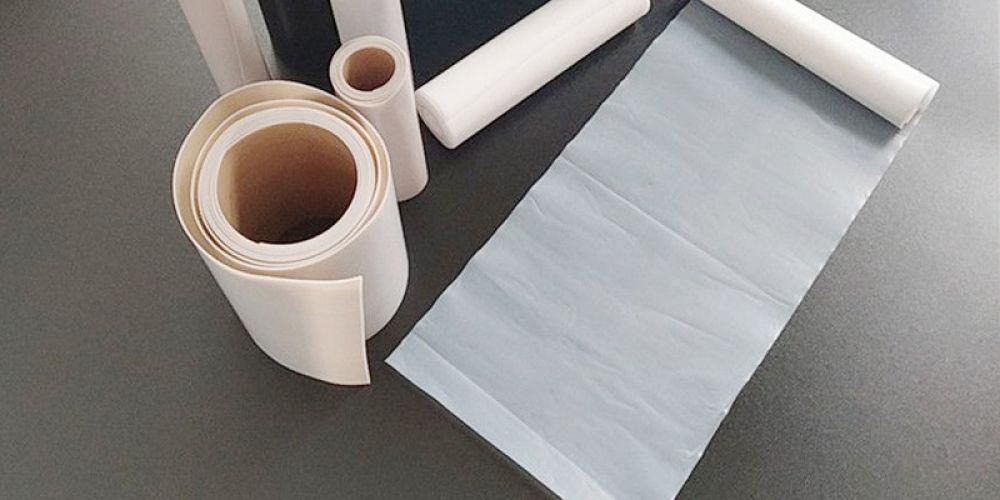
Microporous Structure Porosity exceeds 85%, with 1.4 billion micropores per square centimeter and pore sizes ranging…