
.jpg)
Membrane materials are the "skin" of a building, determining its durability, appearance, and performance.
PTFE Membrane Structure
Materials: Fiberglass base fabric + PTFE coating.
Features: Preferred for permanent buildings. Excellent durability (over 25 years), superior self-cleaning properties, and excellent fire resistance (Class A non-combustible). Initially soft, it whitens and strengthens over time.
Applications: Large stadiums, airports, transportation hubs, and other permanent public buildings.
PVC Membrane Structure
Materials: Polyester fiber base fabric + PVC coating + PVDF/PVF surface layer.
Features: Most commonly used and offers the best cost-performance ratio. Good flexibility, easy to process and install, and available in a variety of colors. Service life is typically 10-15 years.
Applications: From small to medium-sized landscape features to large stadium stands, and the vast majority of air-supported membrane structures.
ETFE Membrane Structure
Materials: Transparent film made of ethylene-tetrafluoroethylene copolymer.
Features: Lightweight and highly transparent (95% light transmittance), durable, and recyclable. Typically used in the form of inflatable air cushions, offering excellent thermal insulation.
Applications: Buildings requiring high levels of natural lighting, such as eco-atriums, swimming pools, and botanical gardens.
Representative Case: Beijing National Aquatics Center, "Water Cube".
.jpg)
In the construction field, the heat-sealing production methods for different new membrane materials vary depending on…
.jpg)
In the construction field, the heat-sealing of PVDF membrane materials is mainly achieved through processes such…
.jpg)
Due to its unique molecular structure and excellent overall performance, PVDF (polyvinylidene fluoride) membrane material is…
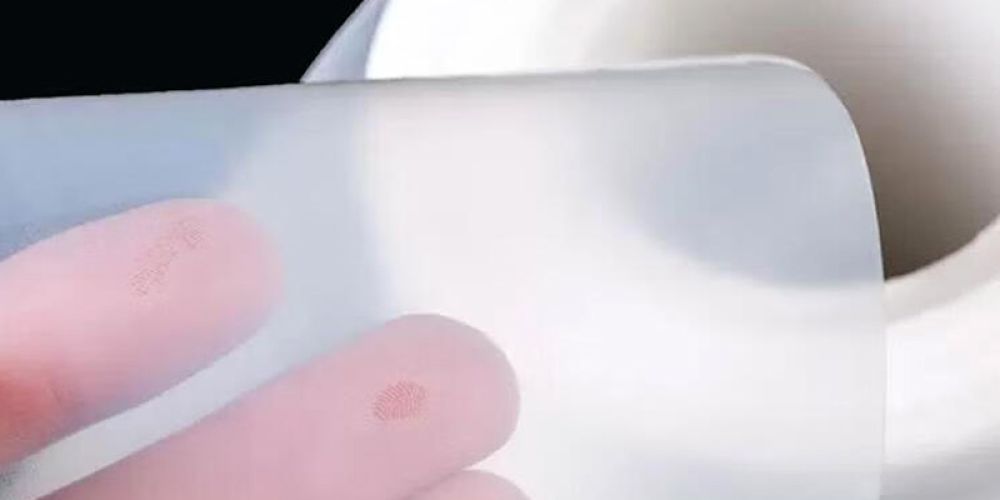
Chemical Inertness: Virtually unreactive with almost all chemical substances; resistant to acids, alkalis, and organic solvents…
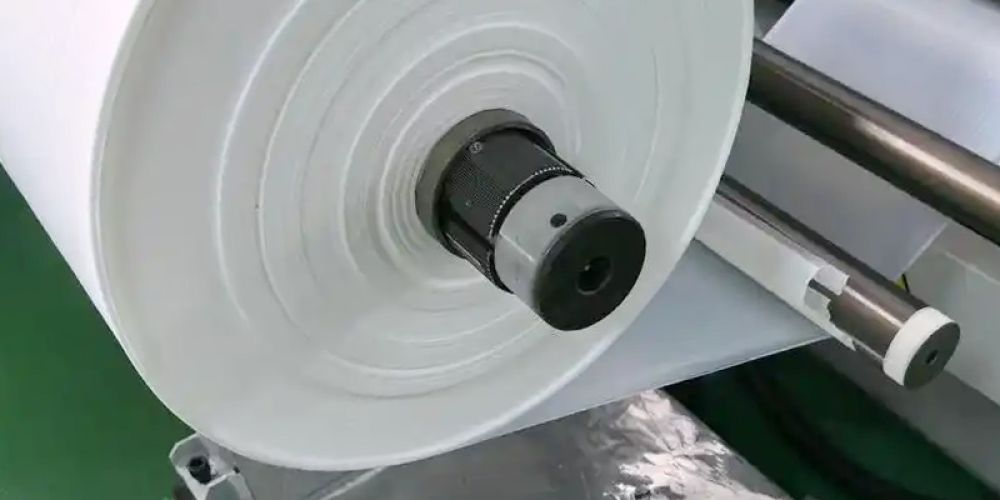
PTFE (polytetrafluoroethylene) film is a high-performance engineering plastic film renowned for its excellent chemical stability, high-temperature…
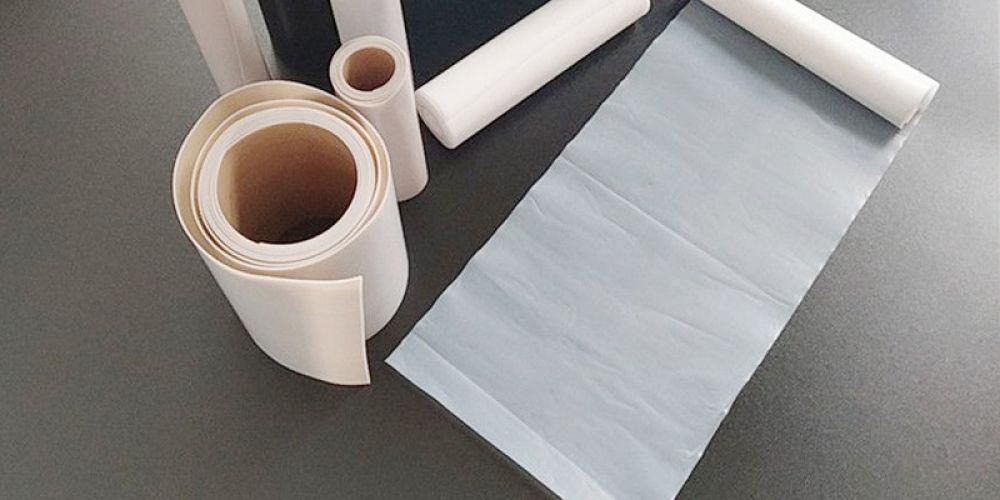
Microporous Structure Porosity exceeds 85%, with 1.4 billion micropores per square centimeter and pore sizes ranging…