
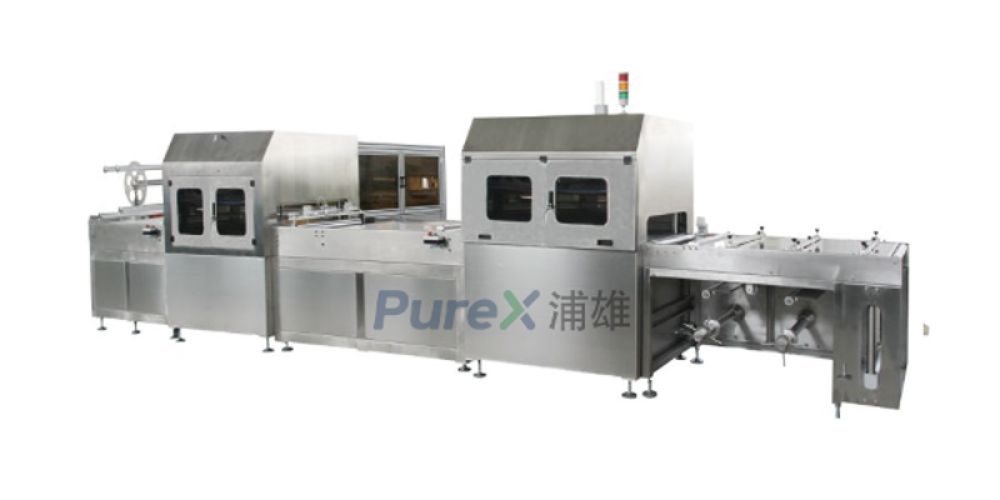
Core Functions and Process Principles
High-Frequency Electromagnetic Field Heating Technology
The device utilizes a 27.12 MHz high-frequency electromagnetic field to induce molecular polarization and frictional heating within the TPU material, enabling rapid fusion welding. Key advantages include:
Heating Speed: TPU material reaches a molten state within 0.5–3 seconds under the high-frequency electric field, representing an 80% increase in efficiency compared to traditional hot-air welding.
Welding Quality: Weld depth reaches 60%–80% of the material thickness; peel strength is ≥50 N/15 mm (ISO 6134 standard); and airtightness testing shows a pressure drop of ≤5% over 24 hours (at 20 kPa overpressure).
Material Compatibility: Compatible with polar plastics such as TPU, PVC, and EVA; supports customized processing for material thicknesses ranging from 0.1 mm to 4 mm.
Automated Process Design
Automatic Feeding System: A rotary work platform (featuring 4–8 mold blocks arranged in a circle) operates in coordination with a robotic arm to sequence mold blocks into the heat-sealing station, eliminating the need for manual feeding. For example, a patented version of this device uses a motor-driven rotary shaft to rotate the platform, automatically positioning mold blocks beneath the heat-sealing unit.
Waste Recovery Module: Integrates a TPU waste shredder (e.g., Hongshengtai brand, 8151 W power) capable of grinding offcuts into 0.5–2 mm granules; achieves a recovery rate of over 95%, supporting subsequent re-granulation and production.
Finished Product Output: Upon completion of heat sealing, the device automatically unloads products using an ejection assembly (pneumatic cylinder-driven ejector rod) or an unloading robotic arm, followed by sorting and packaging via a conveyor belt.
II. Key Technological Innovations
Rotary Work Platform Design
Structural Optimization: Mold blocks are evenly arranged around the work platform, creating distinct zones for heat sealing, loading/unloading, and transition, thereby enabling parallel multi-stage processing. An 8-station design reduces the single-cycle production time to 8–12 seconds, boosting efficiency by 300% compared to traditional single-station equipment.
Transmission Precision: Employs a bevel gear drive mechanism (1:1 gear ratio) to ensure rotary shaft positioning accuracy within ±0.05 mm, meeting the requirements for high-precision welding. High-Frequency Welding Process Control
Parameter Optimization: Adjustable output power (5–8 kW), pressure (0.2–0.5 MPa), and welding time (3–5 seconds); closed-loop control of temperature, pressure, and time is achieved via a PLC system. For example, Puxiong’s production line for surgical robot TPU protective covers utilizes this technology, reducing the welding defect rate from 3% to 0.2%.
Safety Protection: Equipped with a spark suppression circuit (response time ≤0.1 ms) and overload protection devices to prevent mold damage and extend equipment service life to over 10 years.
Waste Recovery and Recycling
Integrated Shredding and Granulation: After processing in a shredder, waste material undergoes water-strand pelletizing via a single-screw extruder (e.g., Wright Brothers brand, 280 kW power) to produce recycled TPU granules; these can be directly used to manufacture products with lower performance requirements, reducing raw material costs by 15%–20%.
Environmental Compliance: TPU material releases no toxic gases during combustion, and the recycling process complies with RoHS standards, helping enterprises achieve ISO 14001 environmental management system certification.
.jpg)
In the construction field, the heat-sealing production methods for different new membrane materials vary depending on…
.jpg)
In the construction field, the heat-sealing of PVDF membrane materials is mainly achieved through processes such…
.jpg)
Due to its unique molecular structure and excellent overall performance, PVDF (polyvinylidene fluoride) membrane material is…
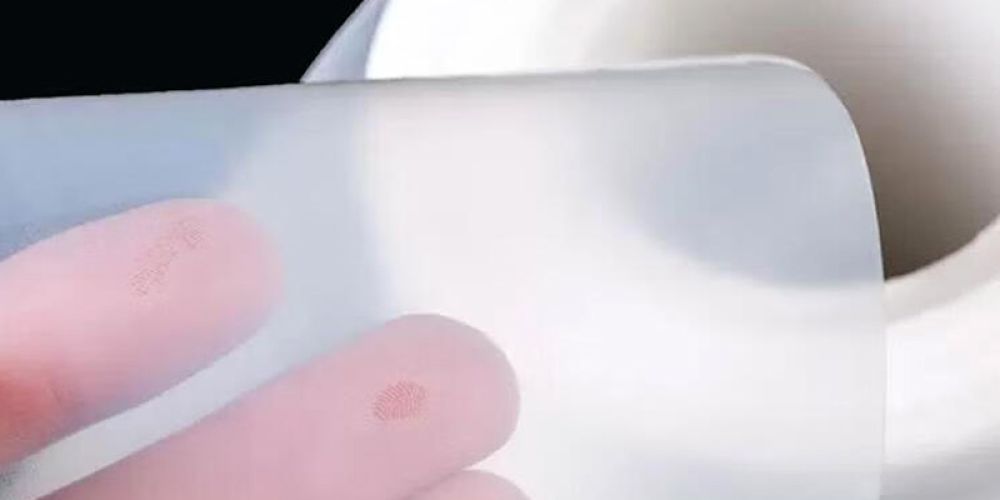
Chemical Inertness: Virtually unreactive with almost all chemical substances; resistant to acids, alkalis, and organic solvents…
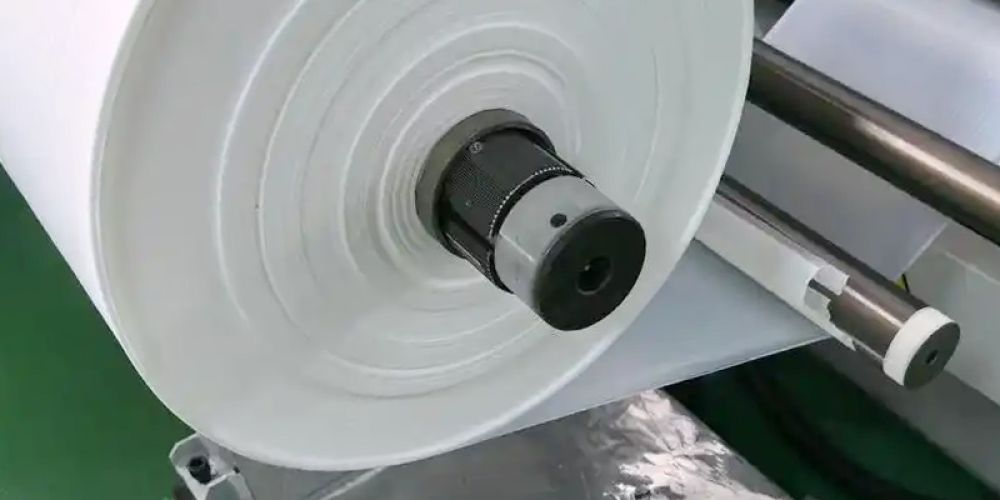
PTFE (polytetrafluoroethylene) film is a high-performance engineering plastic film renowned for its excellent chemical stability, high-temperature…
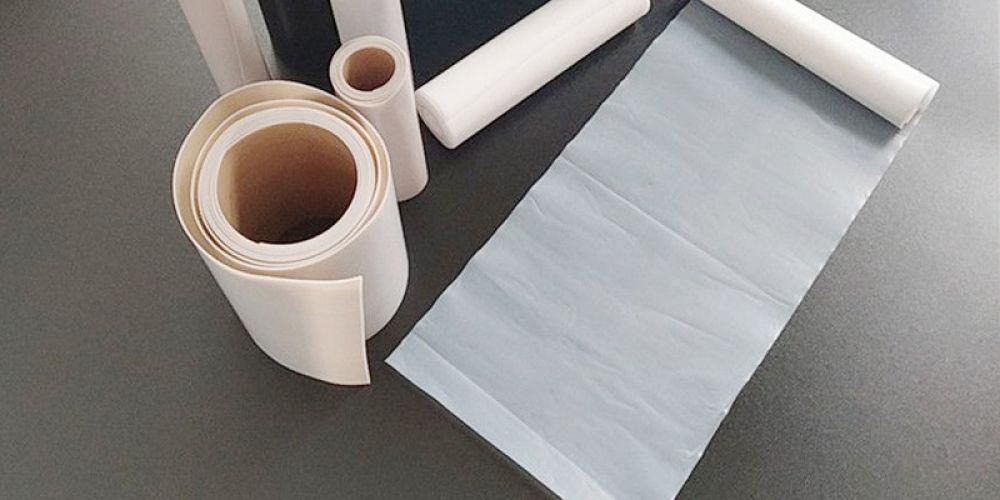
Microporous Structure Porosity exceeds 85%, with 1.4 billion micropores per square centimeter and pore sizes ranging…