
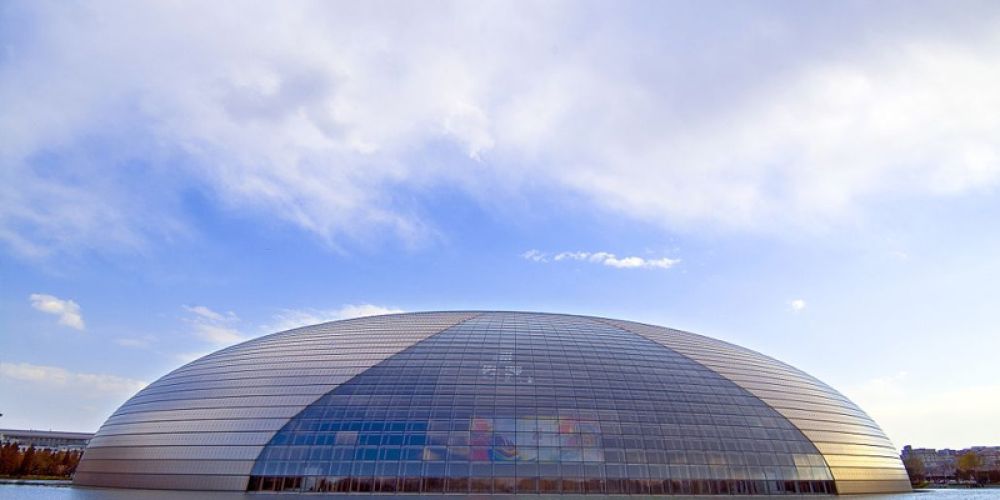
Membrane structures are mainly classified into three categories:
**Skeleton-type Membrane Structure (Steel Membrane Structure)**
A steel frame or engineered wood structure forms the roof framework, with a membrane material stretched across it as the covering layer. This structure offers high stability under the supporting structure, relatively simple roof designs, fewer restrictions on openings, and high economic efficiency. It is suitable for spaces of any size, such as carports, community parking lots, and stadium stands.
**Tensioned Membrane Structure (Locked Membrane Structure)**
Constructed from membrane material, steel cables, and supports, tension is introduced into the membrane material through the steel cables and supports to achieve a stable shape. This structure best showcases the artistry of membrane structures, allowing for creative designs, but requires high construction precision and is slightly more expensive than skeleton-type membrane structures. It is commonly used in landmark landscape buildings and large public buildings.
**Air-supported Membrane Structure (Air-supported Membrane Structure)**
This structure has no steel frame support. It relies on the membrane material to enclose the space, and an air supply system creates a pressure difference between the interior and exterior to resist external forces. This structure is quick to construct and allows for large spatial spans, but requires continuous operation of the air supply fan, resulting in higher maintenance costs.
In addition, membrane structures can be further subdivided into types such as air cushion type and air rib type according to more detailed classification, but the above three types are the basic and most widely used classification methods.
.jpg)
In the construction field, the heat-sealing production methods for different new membrane materials vary depending on…
.jpg)
In the construction field, the heat-sealing of PVDF membrane materials is mainly achieved through processes such…
.jpg)
Due to its unique molecular structure and excellent overall performance, PVDF (polyvinylidene fluoride) membrane material is…
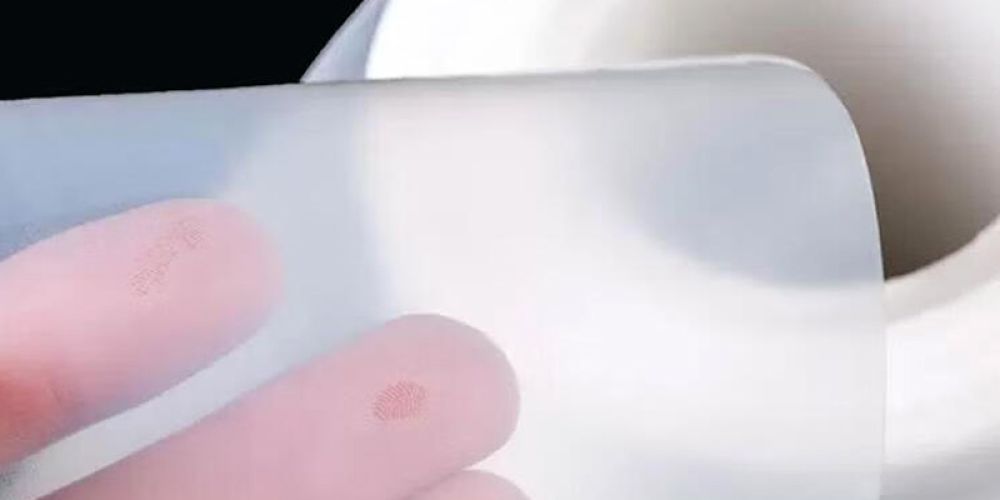
Chemical Inertness: Virtually unreactive with almost all chemical substances; resistant to acids, alkalis, and organic solvents…
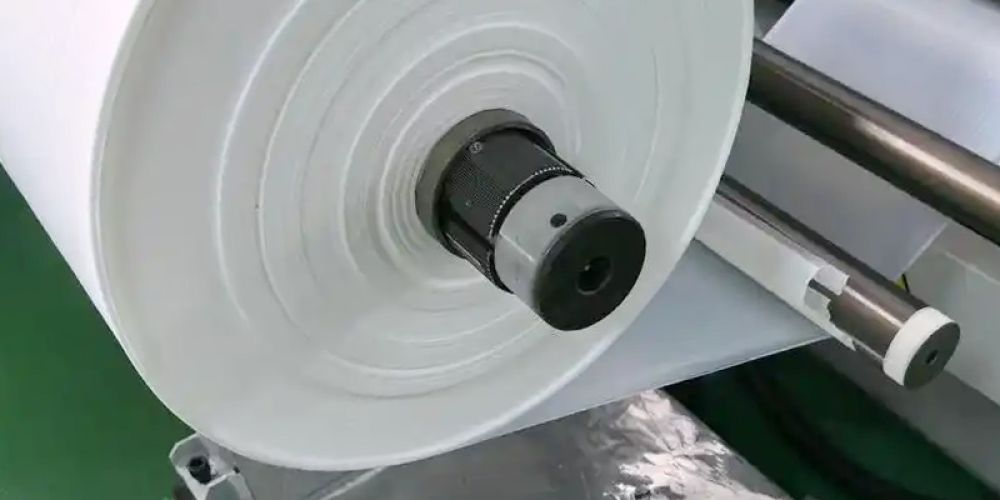
PTFE (polytetrafluoroethylene) film is a high-performance engineering plastic film renowned for its excellent chemical stability, high-temperature…
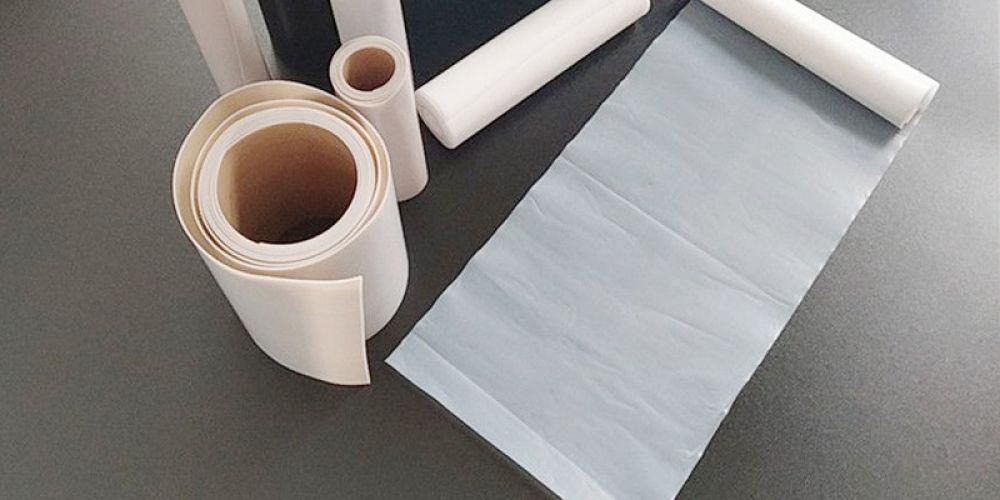
Microporous Structure Porosity exceeds 85%, with 1.4 billion micropores per square centimeter and pore sizes ranging…