
.jpg)
PTFE (polytetrafluoroethylene) membrane, with its lightweight, high strength, and weather resistance, has become a revolutionary material in modern architecture, primarily used in the following scenarios:
1. Large-span spatial structures
Stadium stadiums/airport terminals:
PTFE membranes weigh only 1/30th of traditional materials (e.g., the National Stadium "Bird's Nest" uses a PTFE membrane structure), with a tensile strength of 7000N/5cm, capable of covering column-free spaces exceeding 100 meters.
A 13% light transmittance creates uniform diffused light, reducing lighting energy consumption, while a 73% heat reflectivity reduces air conditioning load.
Exhibition centers/commercial complexes:
Flexible curved shapes, such as the wave-shaped roof of the Shanghai World Expo venues, achieved through hot-press molding to realize complex geometric designs.
2. Functional building skins
Self-cleaning and durability:
PTFE membrane surfaces are superhydrophobic, easily cleaned by rainwater, with only 20%-30% performance degradation after 20 years, and a lifespan exceeding 25 years.
Temperature resistance range: -70℃ to 230℃; fire rating: Class A (ASTM E84 standard); suitable for extreme climate zones.
Energy saving and environmental protection:
95% UV blocking rate; 60% infrared reflectivity, effectively regulating indoor light and heat environment.
3. Landmark Landscapes and Temporary Structures
Landmark Buildings: Such as the "sail roof" of the Qatar World Cup stadiums, achieving lightweighting and visual impact through PTFE membranes.
Temporary Facilities: Rapidly erected membrane structure carports and stage roofs, reducing construction time by 50% compared to traditional buildings.
PTFE membrane materials, through the integration of multidisciplinary technologies (such as structural mechanics and computer-aided design), have become a three-in-one solution for modern architecture, combining safety, energy saving, and aesthetics.
.jpg)
In the construction field, the heat-sealing production methods for different new membrane materials vary depending on…
.jpg)
In the construction field, the heat-sealing of PVDF membrane materials is mainly achieved through processes such…
.jpg)
Due to its unique molecular structure and excellent overall performance, PVDF (polyvinylidene fluoride) membrane material is…
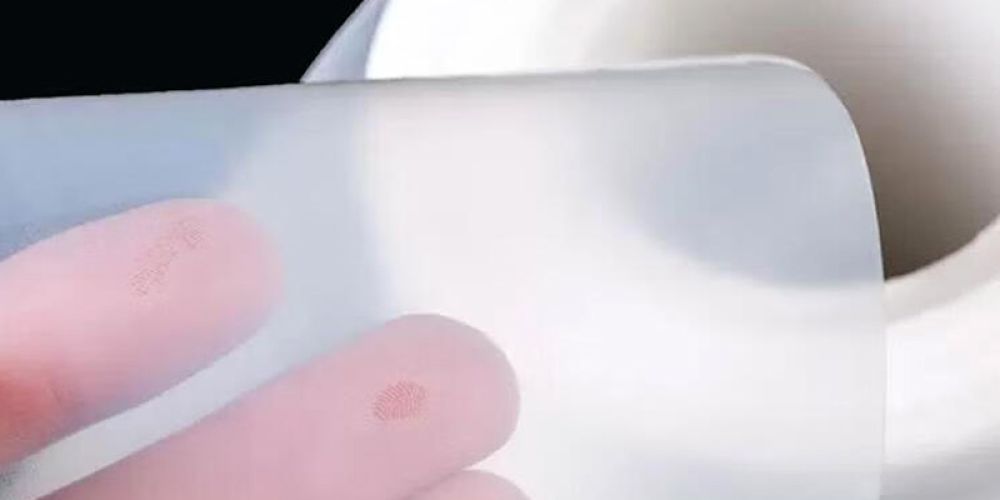
Chemical Inertness: Virtually unreactive with almost all chemical substances; resistant to acids, alkalis, and organic solvents…
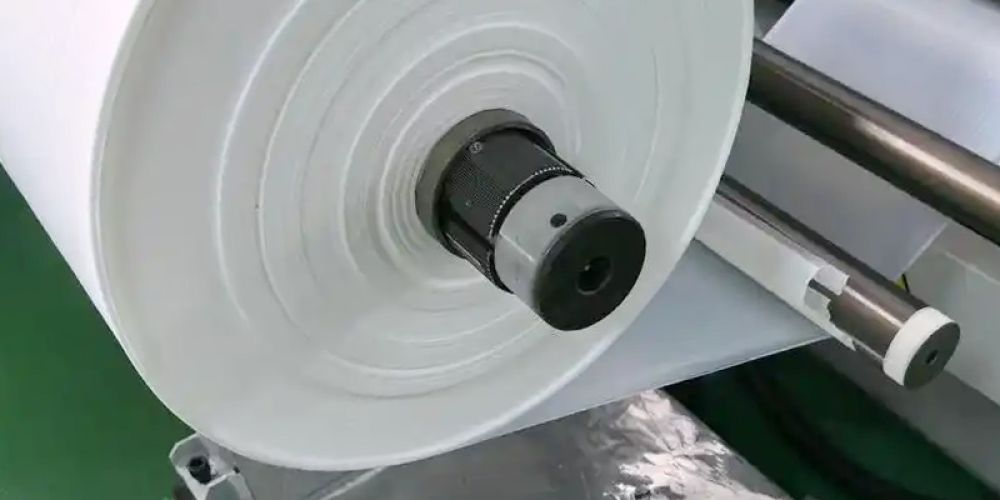
PTFE (polytetrafluoroethylene) film is a high-performance engineering plastic film renowned for its excellent chemical stability, high-temperature…
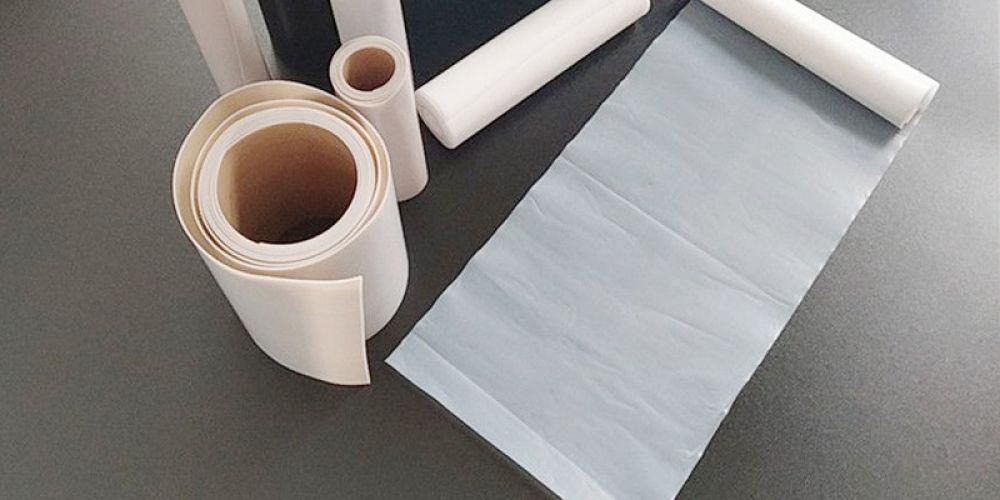
Microporous Structure Porosity exceeds 85%, with 1.4 billion micropores per square centimeter and pore sizes ranging…