

High-frequency automated heat sealing machines have demonstrated significant technological advantages and a wide range of applications in the membrane structure industry. They achieve contactless and efficient heat sealing by driving molecular oscillations through a high-frequency electric field, making them core equipment for membrane structure splicing, fixing, and welding of complex shapes. The following analysis examines their technical principles, core advantages, application scenarios, and typical cases:
I. Technical Principles: High-Frequency Electric Field Drives Molecular Oscillation for Precise Heat Sealing
High-frequency automated heat sealing machines generate a high-frequency electromagnetic field through the self-excited oscillation of a high-frequency electron tube. When the membrane material (such as PVC) is placed in the electric field, its internal polar molecules oscillate violently. This molecular oscillation generates heat through dielectric loss, melting the material, which, combined with the pressing system, achieves welding. Its core features include:
Non-contact heating: Avoids material deformation caused by traditional heat conduction, especially suitable for precision structure welding;
Uniform heating from the inside out: Heat is generated from within the material, resulting in high temperature uniformity in the welding area and reducing the risk of localized overheating;
High-frequency skin effect: Energy is concentrated on the material surface, improving welding efficiency while reducing energy consumption.
II. Core Advantages: High Efficiency, Precision, and Safety, Meeting the Stringent Requirements of Membrane Structures
High-Efficiency Automated Production
Automatic Walking System: Intelligent track-type machines are equipped with an automatic walking system, allowing for smooth movement along a preset track, eliminating the need for frequent manual material and machine handling.
Rapid Mold Change Capability: Modular mold design reduces mold change time to within 5 minutes, adapting to small-batch, multi-variety production needs.
Precise Process Control
PLC + Touchscreen Control System: Supports dozens of preset process parameters, real-time monitoring of key indicators such as temperature, pressure, and time, ensuring consistent welding quality.
Adaptive Adjustment Function: Automatically adjusts output power and heating time based on material thickness and hardness.
Pressure Closed-Loop Control: Employs servo motors or high-precision cylinders to prevent material deformation due to overpressure.
Safety Protection System
Spark Suppression Technology: Built-in high-sensitivity spark detection circuit cuts off high-frequency output within 0.1 seconds, preventing mold ablation and material carbonization.
Overload Protection System: Automatically cuts off power and alarms when current exceeds the set value, protecting the electron tube and transformer.
III. Typical Application Scenarios: Covering multiple fields including architecture, outdoor, and industry
Architectural Membrane Structure Splicing
Large-Span Spatial Structures: Due to the limited width of a single roll of membrane material (typically 3-5 meters), it needs to be welded together to form a large-area covering layer (e.g., stadium roofs with spans exceeding 100 meters). High-frequency heat sealing machines can achieve 80%-90% of the strength of the base material in the welded joints.
Airtightness Requirements: Welding must meet the continuous pressure requirements of the membrane structure.
Outdoor Product Manufacturing
Tents and Awnings: The production of large tents requires high-quality membrane material welding. High-frequency heat sealing machines ensure a stable tent structure with a smooth appearance, effectively resisting harsh outdoor weather.
Inflatable Amusement Equipment: An application scenario with extremely high requirements for membrane material welding quality. High-frequency heat sealing machines ensure strong and reliable joints, effectively preventing air leakage and extending the equipment's lifespan.
.jpg)
In the construction field, the heat-sealing production methods for different new membrane materials vary depending on…
.jpg)
In the construction field, the heat-sealing of PVDF membrane materials is mainly achieved through processes such…
.jpg)
Due to its unique molecular structure and excellent overall performance, PVDF (polyvinylidene fluoride) membrane material is…
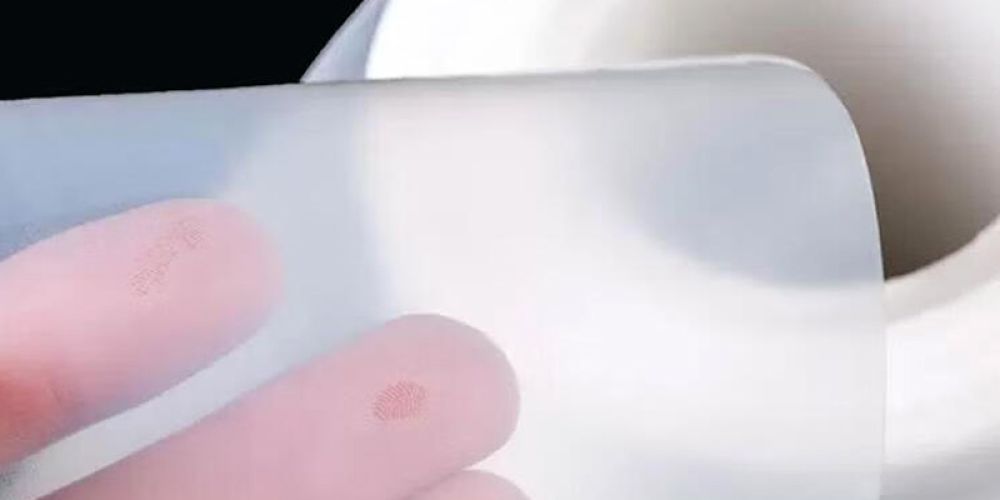
Chemical Inertness: Virtually unreactive with almost all chemical substances; resistant to acids, alkalis, and organic solvents…
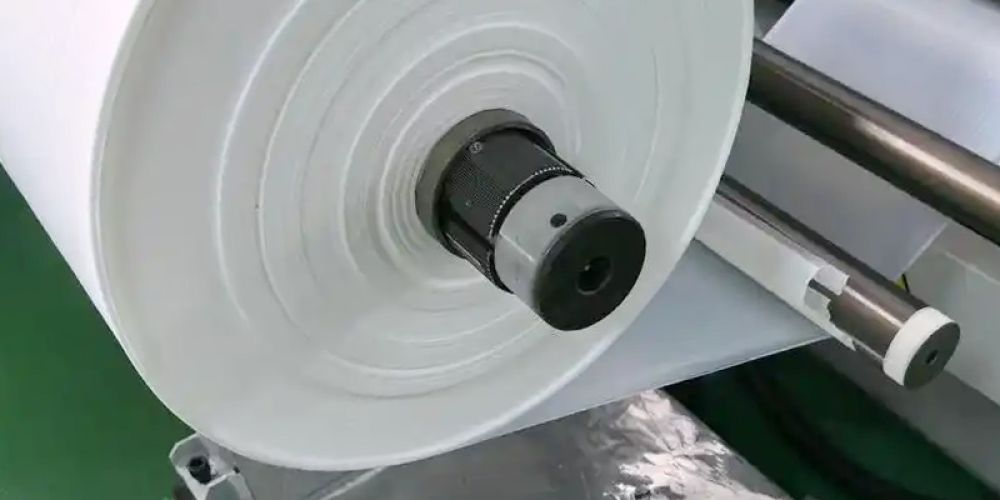
PTFE (polytetrafluoroethylene) film is a high-performance engineering plastic film renowned for its excellent chemical stability, high-temperature…
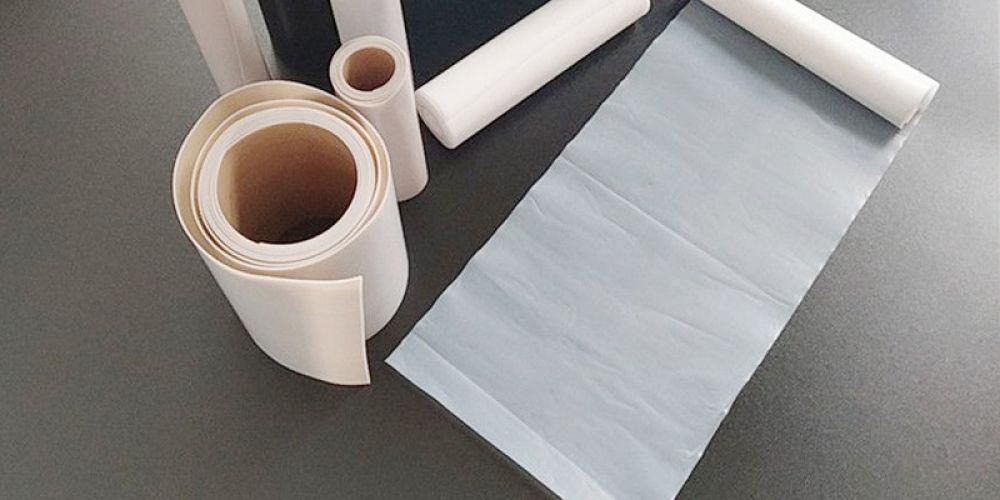
Microporous Structure Porosity exceeds 85%, with 1.4 billion micropores per square centimeter and pore sizes ranging…