
.jpg)
I. Quality Control Framework
Full-Process Traceability System
Each roll of film is assigned a unique QR code to record production batch, heat sealing parameters, inspection reports, and other information, achieving quality traceability.
Case Study: A company uses blockchain technology to store data; customers can scan the code to view weld inspection videos and tensile test curves.
II. Key Control Points
Equipment Status Monitoring
Check the stability of the high-frequency generator output before daily startup.
Establish equipment health records for predictive maintenance to reduce downtime.
Personnel Skill Certification
Operators must pass a "theoretical + practical" assessment, including modules on parameter setting, defect identification, and emergency handling.
Environmental Parameter Recording
Monitor the temperature, humidity, and air pressure in the welding workshop in real time; data is automatically uploaded to the quality management system.
When environmental parameters exceed thresholds, the system automatically suspends production and issues an alarm.
III. Continuous Improvement Mechanism
PDCA Cycle Application
Plan: Develop improvement goals based on historical defect data (e.g., reducing weld porosity from 1.2% to 0.5%).
Do: Optimize the high-frequency power curve and add a preheating step before welding.
Check: Analyze data fluctuations using SPC (Statistical Process Control) charts.
Act: Revise work instructions and train operators.
Customer Feedback Closed Loop: Regularly collect information on quality issues such as weld cracks and leaks at the project site, tracing back to the production process.
.jpg)
In the construction field, the heat-sealing production methods for different new membrane materials vary depending on…
.jpg)
In the construction field, the heat-sealing of PVDF membrane materials is mainly achieved through processes such…
.jpg)
Due to its unique molecular structure and excellent overall performance, PVDF (polyvinylidene fluoride) membrane material is…
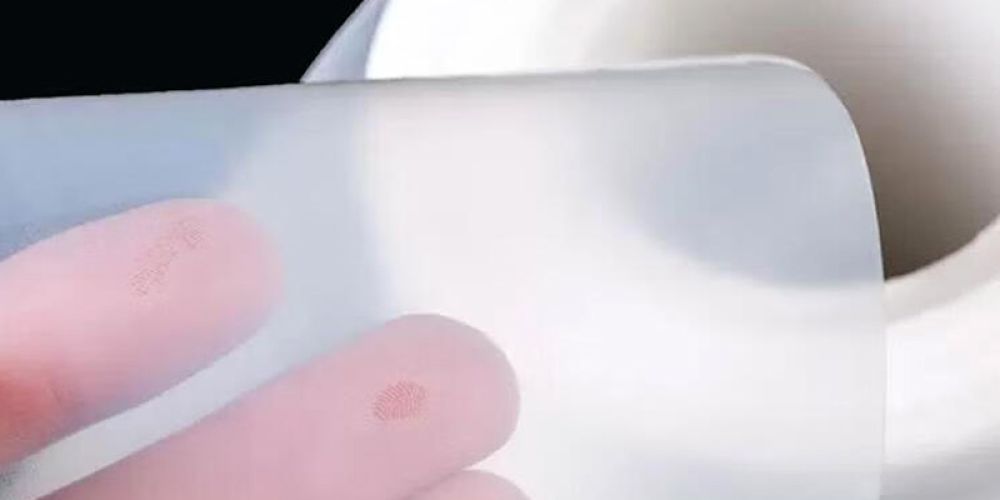
Chemical Inertness: Virtually unreactive with almost all chemical substances; resistant to acids, alkalis, and organic solvents…
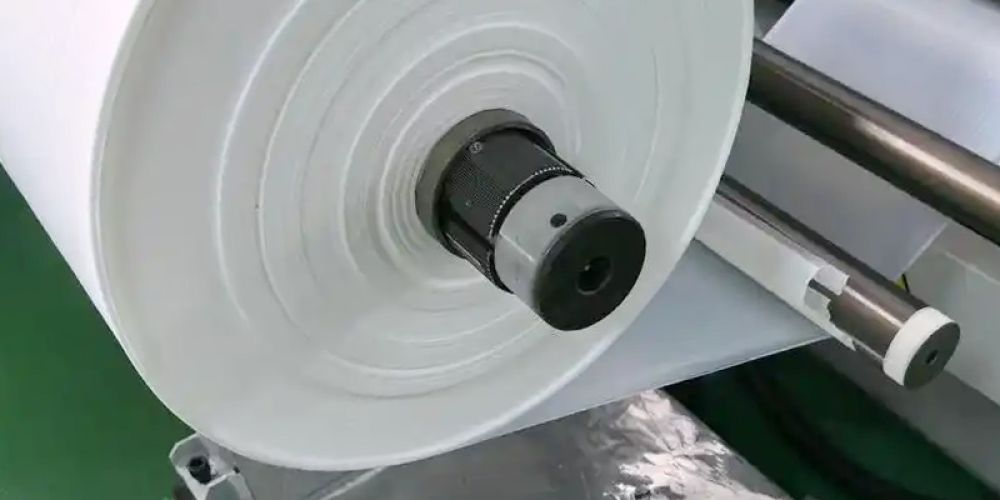
PTFE (polytetrafluoroethylene) film is a high-performance engineering plastic film renowned for its excellent chemical stability, high-temperature…
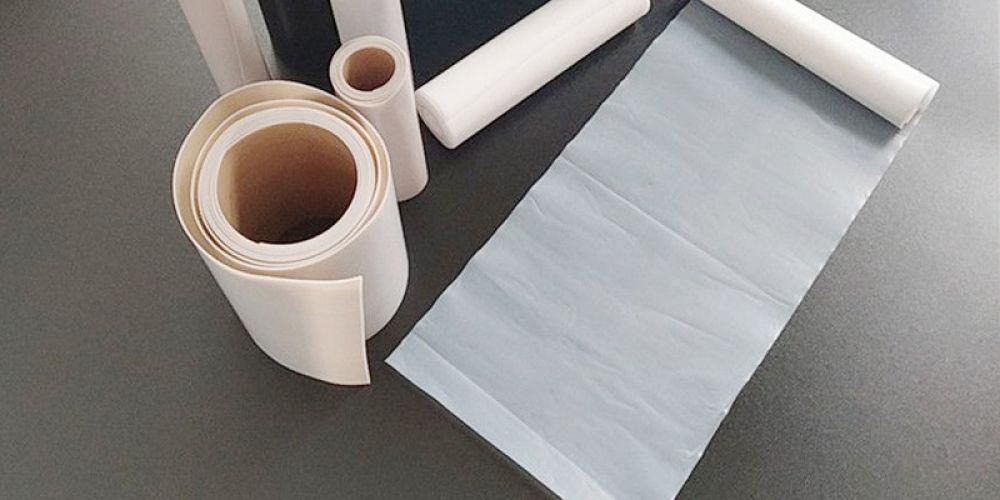
Microporous Structure Porosity exceeds 85%, with 1.4 billion micropores per square centimeter and pore sizes ranging…