
.jpg)
A membrane structure heat-sealing machine is industrial equipment that utilizes a high-frequency electric field to polarize membrane material molecules and generate heat, thereby achieving seamless joining of membrane materials. Operation requires strict adherence to procedures to ensure weld quality and equipment safety; specific steps and precautions are outlined below:
I. Pre-operation Preparation
Equipment Inspection
Verify that core components—such as the high-frequency generator, pressing system, cooling system, and control system—are functioning correctly.
Check that electrode surfaces are smooth and precisely shaped to avoid uneven sealing caused by electrode defects.
Clean residues from electrode and mold surfaces to prevent material contamination or impaired conductivity.
Material Matching
Select appropriate parameters based on the membrane material type (e.g., PVC).
Parameter Setting
High-frequency generator: Set the frequency (commonly 27 MHz) and power output to ensure sufficient energy for melting the material without scorching it.
Pressing system: Adjust pressure settings to avoid excessive melting or material damage caused by excessive pressure.
Cooling system: Set the cooling time to ensure rapid material solidification after welding and prevent deformation.
Control system: Configure welding speed, welding time, and mold stroke via the PLC HMI (Human-Machine Interface) or servo drive system.
Mold Installation
Select or customize molds based on welding requirements, ensuring mold dimensions match the material.
When installing the mold, verify a secure connection to the equipment to prevent loosening during the welding process.
II. Operating Steps
Material Positioning
Lay the membrane material to be welded flat on the mold, ensuring edges are aligned to prevent misalignment that could result in a weak weld.
Starting the Equipment
Press the start button; the high-frequency generator produces high-frequency current, and the electric field causes localized heating and melting of the material.
The pressing system simultaneously applies pressure to ensure the molten areas bond thoroughly.
Welding Process Monitoring
Monitor welding parameters (e.g., temperature, pressure, time) in real-time via the PLC HMI to ensure they remain within set ranges.
If anomalies occur (e.g., material scorching, weak welds), stop the equipment immediately and adjust parameters.
III. Post-operation Maintenance
Equipment Cleaning
Turn off the power and clean residues from electrodes, molds, and the work surface to prevent corrosion or interference with future use.
Periodically inspect electrodes for wear and replace them if necessary. Troubleshooting
If the equipment malfunctions (e.g., unstable high-frequency output, mold damage), document the symptoms and contact professional maintenance personnel.
Conduct regular, comprehensive inspections of the equipment to ensure it remains in good operating condition.
.jpg)
In the construction field, the heat-sealing production methods for different new membrane materials vary depending on…
.jpg)
In the construction field, the heat-sealing of PVDF membrane materials is mainly achieved through processes such…
.jpg)
Due to its unique molecular structure and excellent overall performance, PVDF (polyvinylidene fluoride) membrane material is…
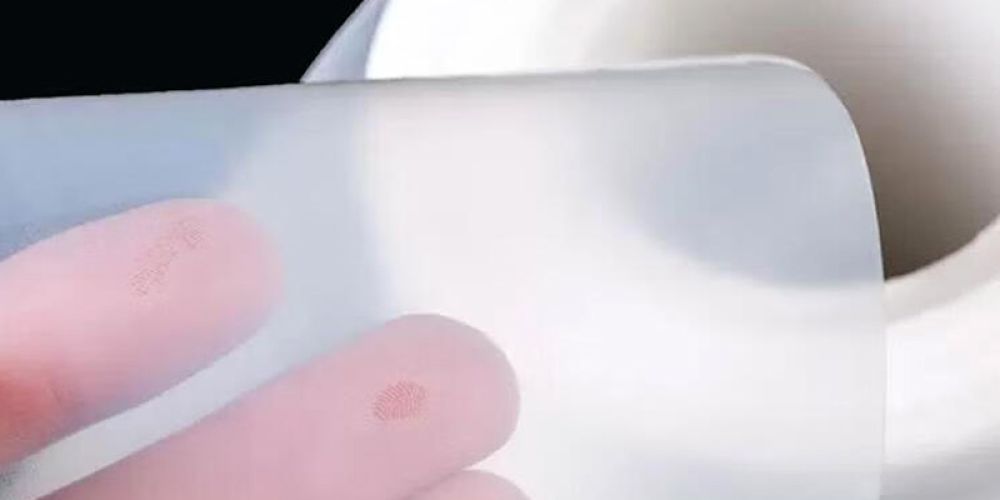
Chemical Inertness: Virtually unreactive with almost all chemical substances; resistant to acids, alkalis, and organic solvents…
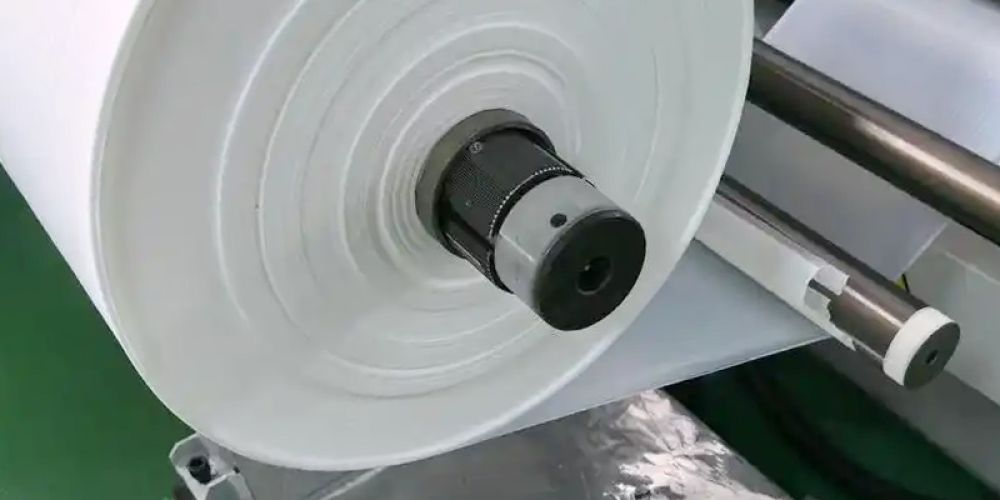
PTFE (polytetrafluoroethylene) film is a high-performance engineering plastic film renowned for its excellent chemical stability, high-temperature…
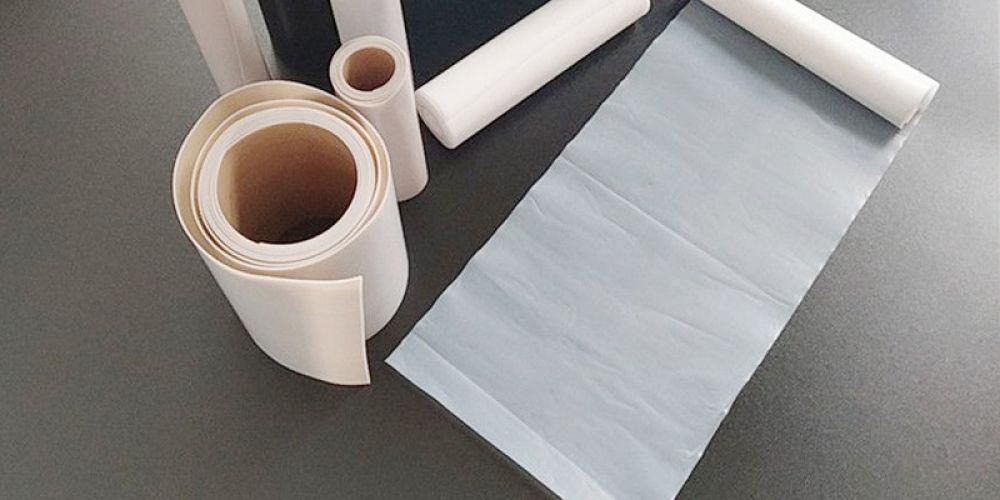
Microporous Structure Porosity exceeds 85%, with 1.4 billion micropores per square centimeter and pore sizes ranging…