
.jpg)
The heat-sealing of PVC membrane materials is mainly achieved through a high-frequency heat-sealing machine (high-frequency welding machine). The principle is to use high-frequency electromagnetic waves to cause the membrane molecules to vibrate, generating heat and achieving localized melting and bonding. Specific processes and equipment are as follows:
High-Frequency Heat-Sealing Machine (High-Frequency Welding Machine)
Applicable Materials: Membranes containing PVC, especially suitable for thick films or multi-layer composite films.
Power Range: 8KW-25KW, common models include 10KW, 12KW, and 15KW.
Features: Fast welding speed, higher efficiency than traditional heat-sealing welding.
Strong joints, suitable for high-frequency vibration or dynamic structures.
Welding strength close to the base material, suitable for parts subjected to long-term stress.
Heat-Sealing Process Flow
Cuting and Positioning: According to design requirements, the PVC membrane material is cut to the specified size, and the membrane tension is adjusted using a tensioner to ensure a smooth splice.
High-Frequency Welding: The cut membrane material is placed on the high-frequency heat-sealing machine's worktable. High-frequency electromagnetic waves cause the molecules at the contact point to vibrate and generate heat, melting the coating and bonding it.
Cooling and Inspection: After welding, allow the membrane material to cool to room temperature and check the joints for smoothness and absence of pores to ensure waterproofing performance and strength meet standards.
Advantages of Heat-Sealing:
* Excellent Sealing: No pores at the weld, excellent waterproofing performance, suitable for critical joints in roofs, inflatable membrane structures, etc.
* Neat Appearance: Smooth joints, no visible lines or glue residue, meeting architectural aesthetic requirements.
* High Efficiency: High-frequency welding speed is much faster than traditional adhesive bonding or manual stitching, suitable for large-scale production.
.jpg)
In the construction field, the heat-sealing production methods for different new membrane materials vary depending on…
.jpg)
In the construction field, the heat-sealing of PVDF membrane materials is mainly achieved through processes such…
.jpg)
Due to its unique molecular structure and excellent overall performance, PVDF (polyvinylidene fluoride) membrane material is…
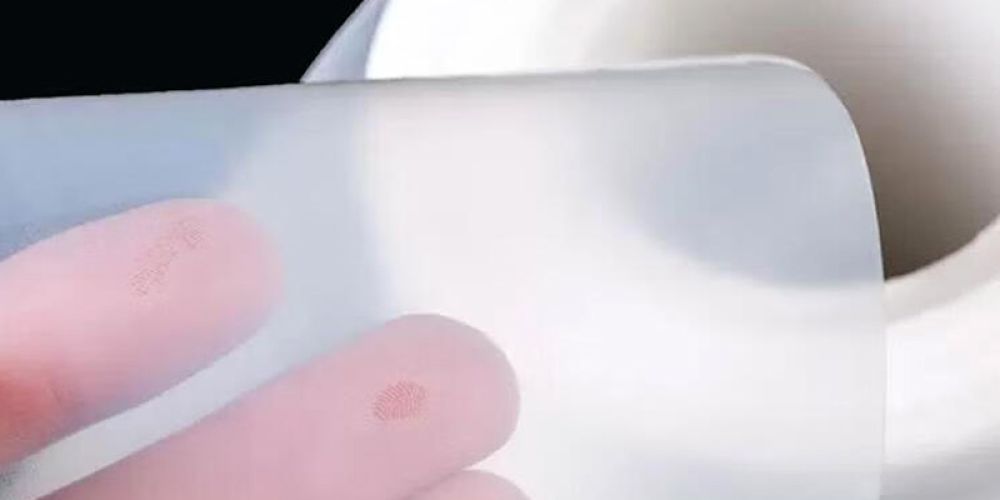
Chemical Inertness: Virtually unreactive with almost all chemical substances; resistant to acids, alkalis, and organic solvents…
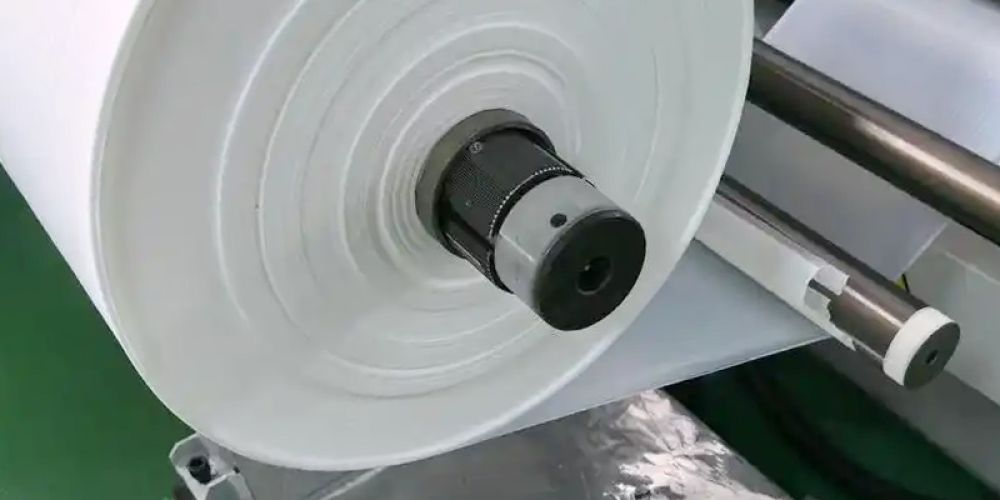
PTFE (polytetrafluoroethylene) film is a high-performance engineering plastic film renowned for its excellent chemical stability, high-temperature…
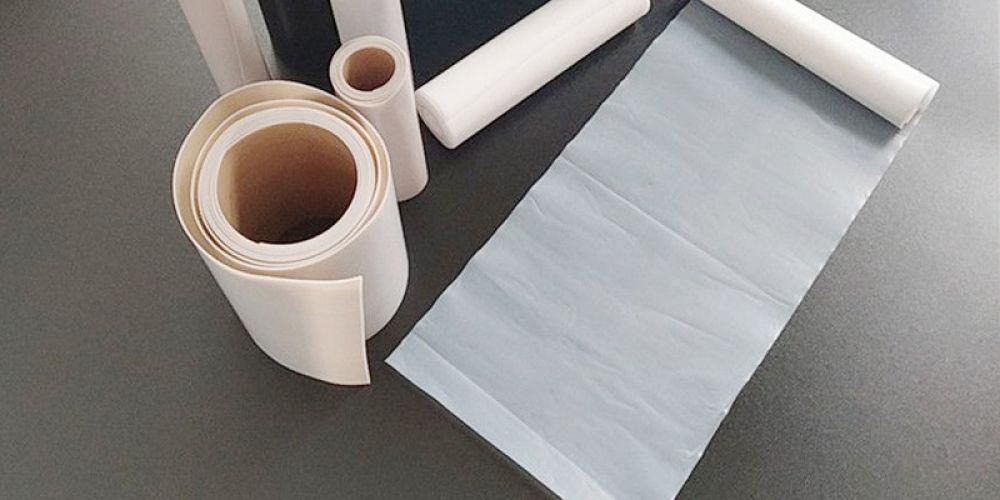
Microporous Structure Porosity exceeds 85%, with 1.4 billion micropores per square centimeter and pore sizes ranging…