
.jpg)
Tensioned membrane structures and inflatable membrane structures each offer distinct environmental advantages depending on the application scenario and design requirements; it is difficult to simply declare one more environmentally friendly than the other. The following analysis covers four dimensions: material properties, energy efficiency, recyclability, and environmental adaptability:
I. Energy Efficiency: Inflatable structures rely on continuous power, whereas tensioned structures offer passive energy savings.
Tensioned Membrane Structures
Energy Demand: No continuous energy input required; form is maintained via membrane pre-tension.
Energy-Saving Design:
Translucency reduces the need for artificial lighting during the day.
Membrane surface coatings reflect UV rays, lowering air-conditioning loads.
Inflatable Membrane Structures
Energy Demand: Continuous air supply required to maintain pressure; energy consumption depends on membrane airtightness and fan efficiency.
Energy-Saving Design:
Double-layer membrane structure with insulation reduces heat loss by over 50%.
Smart control systems regulate air pressure to prevent excessive energy use.
Case Study: A logistics warehouse in Beijing using an inflatable membrane structure achieved 40% lower heating energy consumption in winter compared to traditional buildings.
Conclusion: Tensioned membrane structures excel in passive energy conservation, while inflatable structures require technical optimization to reduce active energy consumption.
II. Recyclability and Full Life-Cycle Environmental Impact
Tensioned Membrane Structures
Recyclability: PTFE membrane recovery rate is approximately 60–70% (though separating the coating from the base material requires specialized equipment); PVC membrane recovery rate is under 30%.
Full Life Cycle: High durability and low maintenance costs; total carbon emissions over a 30-year lifespan are lower than those of inflatable structures.
Inflatable Membrane Structures
Recyclability: Membrane recovery rate is approximately 40–50%, but the inflation system (fans, ducts) is difficult to recycle.
Full Life Cycle: Low short-term carbon emissions (due to lightweight materials), but total emissions over the 10–15 year replacement cycle may exceed those of tensioned structures.
Conclusion: Tensioned membrane structures offer superior environmental performance over their full life cycle; inflatable structures need to extend their service life or improve recycling rates to narrow this gap. III. Environmental Adaptability: Inflatable membrane structures offer greater flexibility, while tensile membrane structures provide superior stability.
Tensile Membrane Structures
Adaptability: Suitable for permanent structures (e.g., sports venues, commercial entrances); offers strong wind and seismic resistance.
Environmental Impact: Reduces material waste caused by structural damage and requires minimal use of chemical cleaning agents during long-term maintenance.
Inflatable Membrane Structures
Adaptability: Suitable for temporary structures (e.g., emergency medical stations, exhibition tents); allows for rapid dismantling and relocation.
Environmental Impact: Avoids construction waste associated with the demolition of traditional buildings, though frequent assembly and disassembly may increase carbon emissions from transportation.
.jpg)
In the construction field, the heat-sealing production methods for different new membrane materials vary depending on…
.jpg)
In the construction field, the heat-sealing of PVDF membrane materials is mainly achieved through processes such…
.jpg)
Due to its unique molecular structure and excellent overall performance, PVDF (polyvinylidene fluoride) membrane material is…
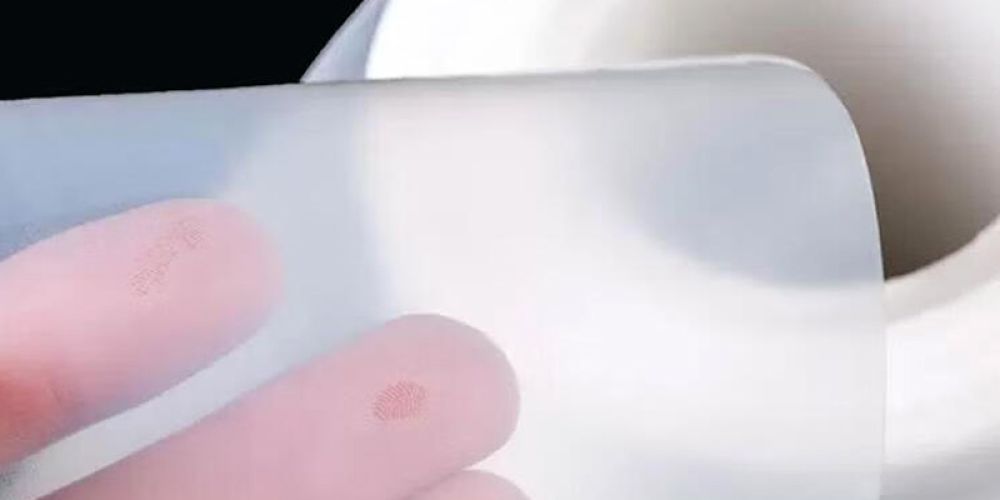
Chemical Inertness: Virtually unreactive with almost all chemical substances; resistant to acids, alkalis, and organic solvents…
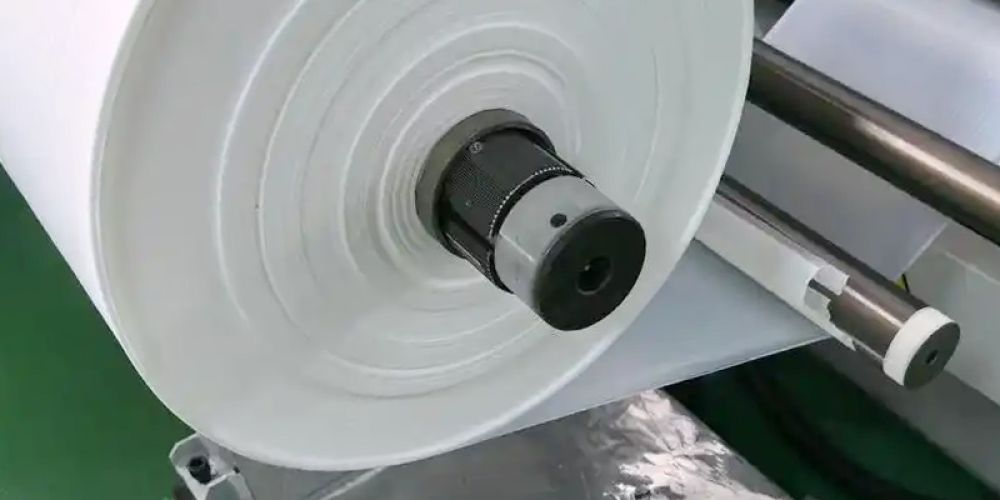
PTFE (polytetrafluoroethylene) film is a high-performance engineering plastic film renowned for its excellent chemical stability, high-temperature…
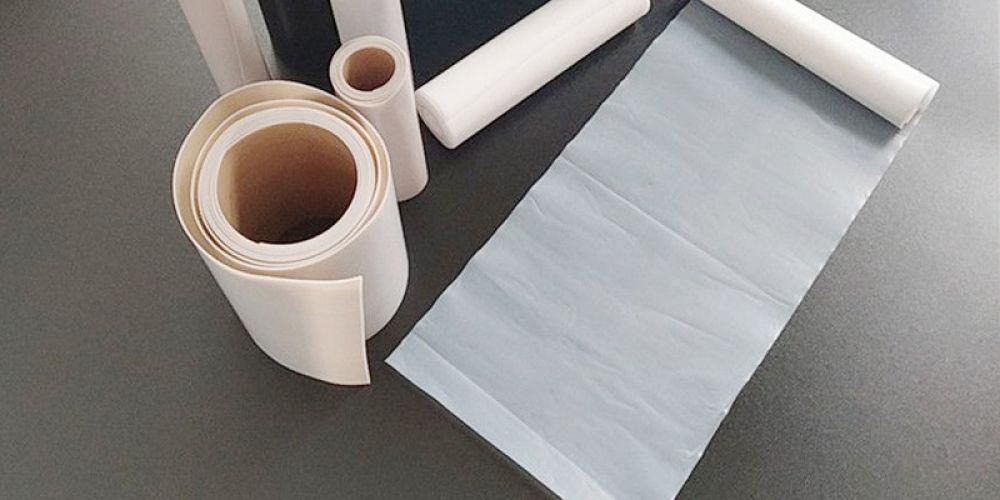
Microporous Structure Porosity exceeds 85%, with 1.4 billion micropores per square centimeter and pore sizes ranging…