
.jpg)
Membrane structure canopies, with their lightweight, high strength, flexible design, and strong weather resistance, are widely used in various settings, meeting both functional needs and enhancing spatial aesthetics. Below are the main application scenarios and specific uses of membrane structure canopies:
I. Commercial and Public Buildings
1. Commercial Complex Entrances
Application Scenarios: Sun and rain shelter at entrances to shopping malls, office buildings, hotels, etc.
Advantages: Unique design, becoming a landmark element of the building.
2. Pedestrian Streets and Commercial Plazas
Application Scenarios: Sun shelter for passageways connecting shops and open-air dining areas.
Advantages: Large span, no need for central support columns, maintaining spatial transparency.
Can be combined with lighting design to create a nighttime commercial atmosphere.
3. Transportation Hub Facilities
Application Scenarios: Entrances and exits of subway stations, bus stops, and high-speed rail stations.
Advantages: Strong weather resistance, adaptable to harsh outdoor environments.
Quick installation, minimizing construction impact on traffic.
II. Sports and Leisure Facilities
1. Surroundings of Sports Venues
Application Scenarios: Sun shelter for spectator entrances, athlete passageways, and training fields. Advantages: Large span design, covering a large area.
Lightweight structure, reducing the load on existing buildings.
2. Fitness Centers and Swimming Pools
Application Scenarios: Outdoor swimming pool sunshade, rest pavilions in fitness areas.
Advantages: Adjustable light transmittance (e.g., ETFE membrane material), avoiding direct UV radiation.
Strong self-cleaning properties, reducing maintenance costs.
3. Parks and Leisure Plazas
Application Scenarios: Children's playgrounds, open-air theaters, viewing platform sunshade.
Advantages: Diverse shapes, blending into natural landscapes.
Environmentally friendly materials, conforming to sustainable design principles.
Case Study: The conical membrane structure canopy at Hangzhou West Lake Cultural Plaza has become a popular resting spot for tourists.
III. Transportation Facilities
1. Parking Lots and Charging Stations
Application Scenarios: Open-air parking lot sunshade, electric vehicle charging area coverage.
Advantages: Reduces vehicle exposure to sunlight, lowering interior temperature.
Can integrate photovoltaic panels, achieving energy self-sufficiency.
2. Gas Stations and Service Areas
Application Scenarios: Sunshade in gas station areas, protection at convenience store entrances.
Advantages: Good fire resistance (e.g., PTFE membrane material), meets safety regulations.
Resistant to chemical corrosion, suitable for oil environments.
3. Ports and Logistics Centers
Application Scenarios: Sunshade in cargo loading and unloading areas, container yard coverage.
Advantages: Strong wind resistance, suitable for windy coastal environments.
Demountable design for easy and flexible adjustment.
Case Study: Tianjin Port uses a frame-type membrane structure canopy to protect cargo from rain.
.jpg)
In the construction field, the heat-sealing production methods for different new membrane materials vary depending on…
.jpg)
In the construction field, the heat-sealing of PVDF membrane materials is mainly achieved through processes such…
.jpg)
Due to its unique molecular structure and excellent overall performance, PVDF (polyvinylidene fluoride) membrane material is…
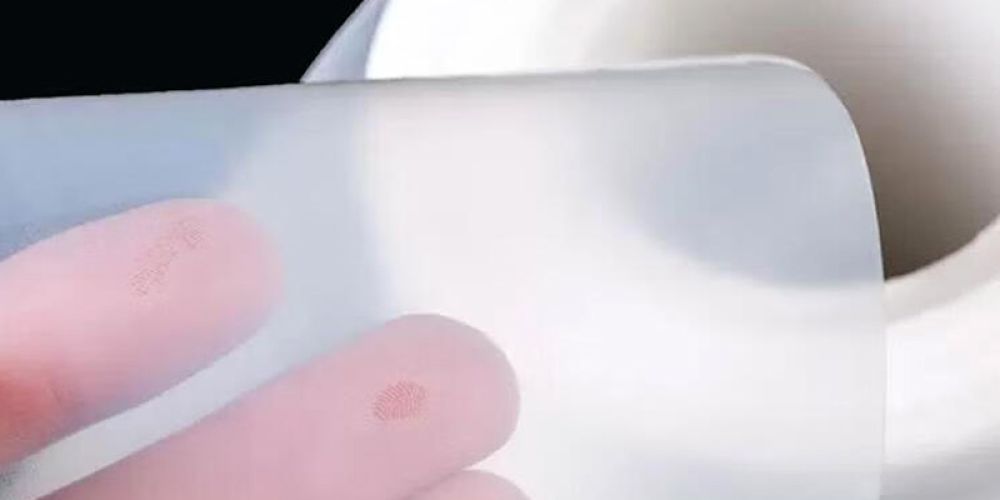
Chemical Inertness: Virtually unreactive with almost all chemical substances; resistant to acids, alkalis, and organic solvents…
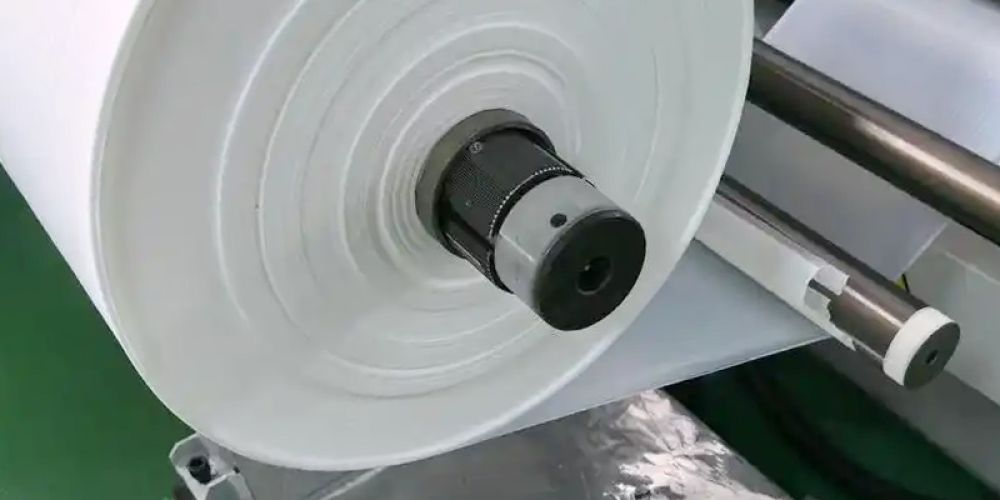
PTFE (polytetrafluoroethylene) film is a high-performance engineering plastic film renowned for its excellent chemical stability, high-temperature…
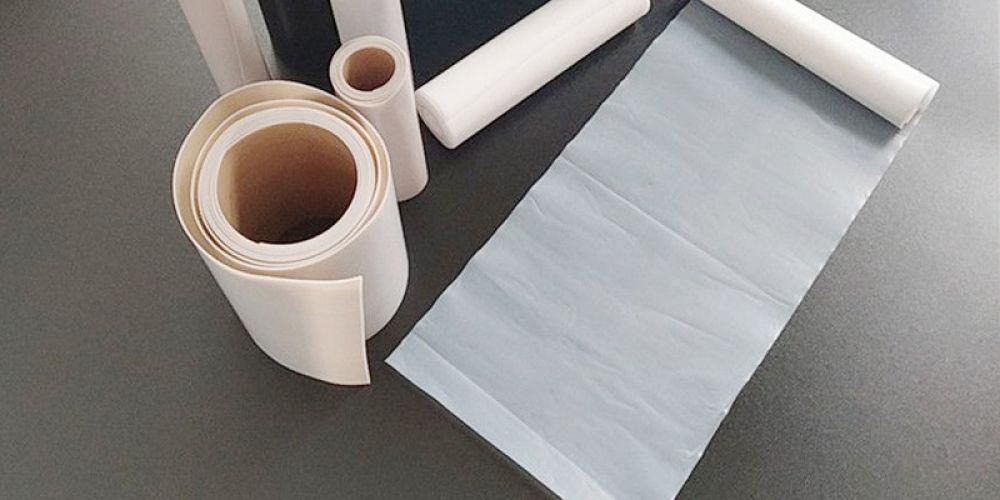
Microporous Structure Porosity exceeds 85%, with 1.4 billion micropores per square centimeter and pore sizes ranging…