
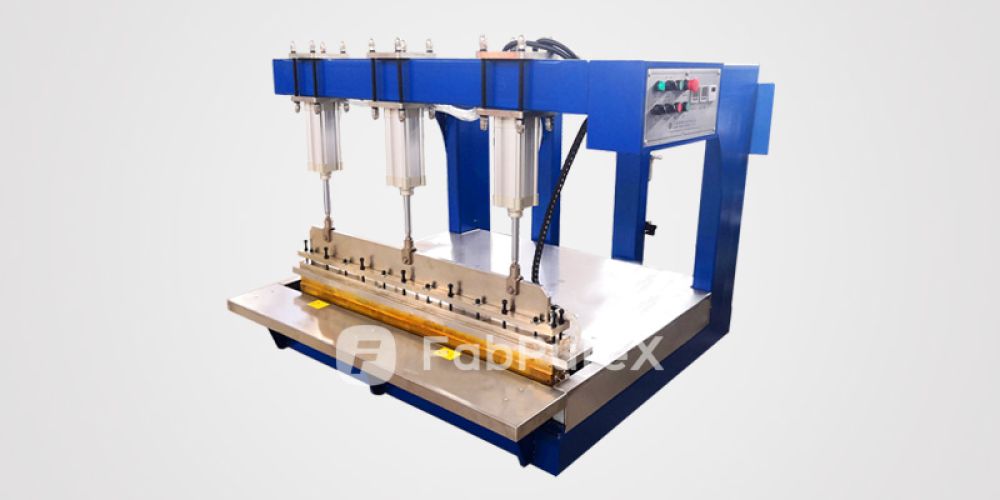
The splicing method of architectural membrane materials needs to balance structural strength, waterproof performance, and aesthetics. Common splicing methods include high-temperature heat sealing welding and high-frequency welding. The following is a detailed introduction to these splicing methods:
1. High-Temperature Heat Sealing Welding
Principle: Heat is applied to the seams of the membrane material using heat sealing equipment, causing the coating to melt and bond, forming a continuous, seamless connection.
Applicable Materials: PTFE membrane material, ETFE membrane material, etc. (Puxiong professional heat sealing process).
Advantages:
Good sealing: No pores at the weld, excellent waterproof performance.
High strength: Weld strength is close to that of the base material, suitable for long-term stress areas.
Neat appearance: Smooth seams, no visible lines or glue residue.
Disadvantages: Requires strict control of temperature and time to avoid burn-through or weak adhesion.
Application Scenarios: Critical seams of roof membrane structures and inflatable membrane buildings.
2. High-Frequency Welding
Principle: Utilizes high-frequency electromagnetic waves to cause the membrane material molecules to vibrate, generating heat and achieving localized melting and bonding.
Applicable Materials: Membrane materials containing PVC (especially suitable for thick films or multi-layer composite films).
Advantages:
Fast welding speed; Highly secure seams.
Disadvantages: High equipment cost; Requires strict operational skills.
Application Scenarios: Stadium grandstand membrane structures, carports, etc.
.jpg)
In the construction field, the heat-sealing production methods for different new membrane materials vary depending on…
.jpg)
In the construction field, the heat-sealing of PVDF membrane materials is mainly achieved through processes such…
.jpg)
Due to its unique molecular structure and excellent overall performance, PVDF (polyvinylidene fluoride) membrane material is…
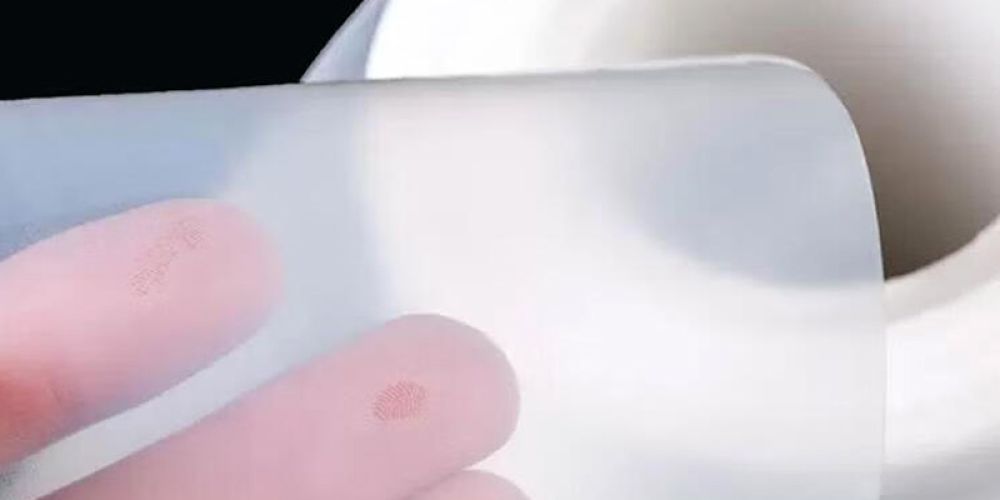
Chemical Inertness: Virtually unreactive with almost all chemical substances; resistant to acids, alkalis, and organic solvents…
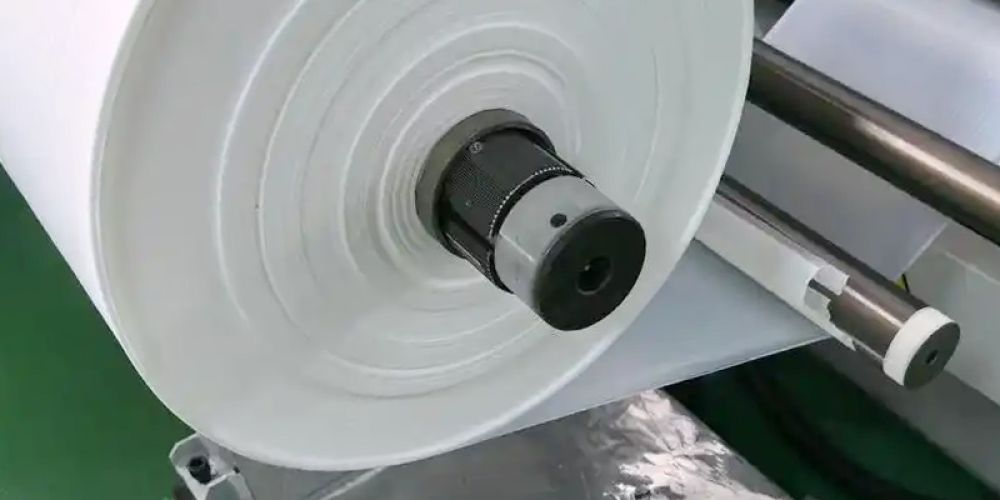
PTFE (polytetrafluoroethylene) film is a high-performance engineering plastic film renowned for its excellent chemical stability, high-temperature…
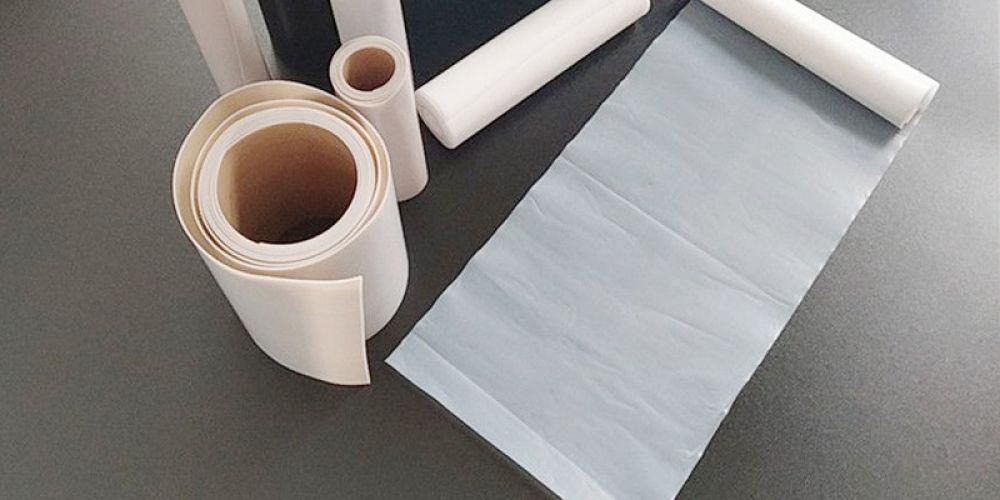
Microporous Structure Porosity exceeds 85%, with 1.4 billion micropores per square centimeter and pore sizes ranging…