
.jpg)
Commonly used membrane materials in construction include PTFE membranes, ETFE membranes, and PVC membranes. These materials, with their unique physicochemical properties, play a crucial role in large-span spatial structures and special architectural forms. The following is a detailed introduction to these four membrane materials:
PTFE Membrane (Polytetrafluoroethylene)
Composition and Characteristics: High strength, durability, self-cleaning properties, and excellent fire resistance (Class A flammability). Unaffected by ultraviolet radiation, with a service life exceeding 25 years.
Optical Properties: 10%~50% light transmittance; transmitted light is naturally diffused, without shadows or glare; high reflectivity and low heat absorption.
Applications: Preferred for durable buildings, such as large stadiums, airport terminals, and high-speed railway stations.
ETFE Membrane (Ethylene-Tetrafluoroethylene Copolymer)
Composition and Characteristics: Non-woven thermoplastic material with low density and high tensile strength. It possesses wear resistance, high temperature resistance, corrosion resistance, insulation, and excellent self-cleaning properties.
Optical Performance: Light transmittance is superior to glass (up to 95%), earning it the nickname "soft glass." It effectively utilizes natural light and saves energy.
Applications: Large-span structures, building facades, and inflatable support structures.
PVC Membrane Material (Polyvinyl Chloride)
Characteristics: Highly waterproof and flexible, but its self-cleaning properties, durability, and fire resistance (B1 flammability rating) are inferior to PTFE.
Optical Performance: Light transmittance approximately 20%, wide temperature range, and normal service life of approximately 7-15 years.
Applications: Temporary or semi-permanent structures, such as cultural facilities, landscape features, and industrial building membrane structures.
.jpg)
In the construction field, the heat-sealing production methods for different new membrane materials vary depending on…
.jpg)
In the construction field, the heat-sealing of PVDF membrane materials is mainly achieved through processes such…
.jpg)
Due to its unique molecular structure and excellent overall performance, PVDF (polyvinylidene fluoride) membrane material is…
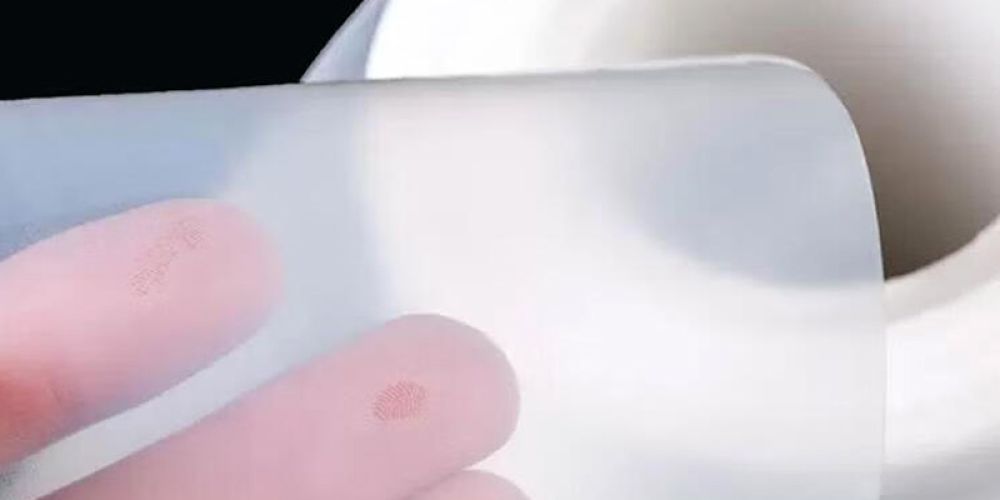
Chemical Inertness: Virtually unreactive with almost all chemical substances; resistant to acids, alkalis, and organic solvents…
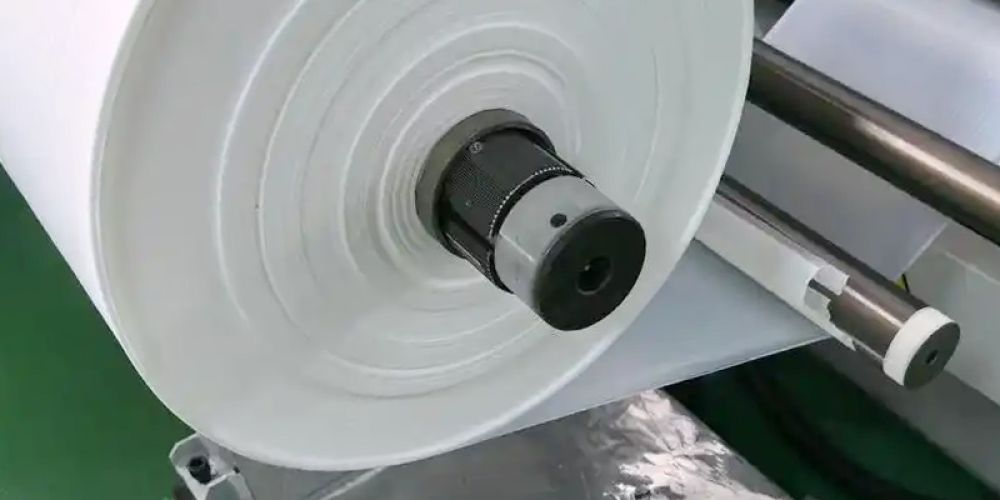
PTFE (polytetrafluoroethylene) film is a high-performance engineering plastic film renowned for its excellent chemical stability, high-temperature…
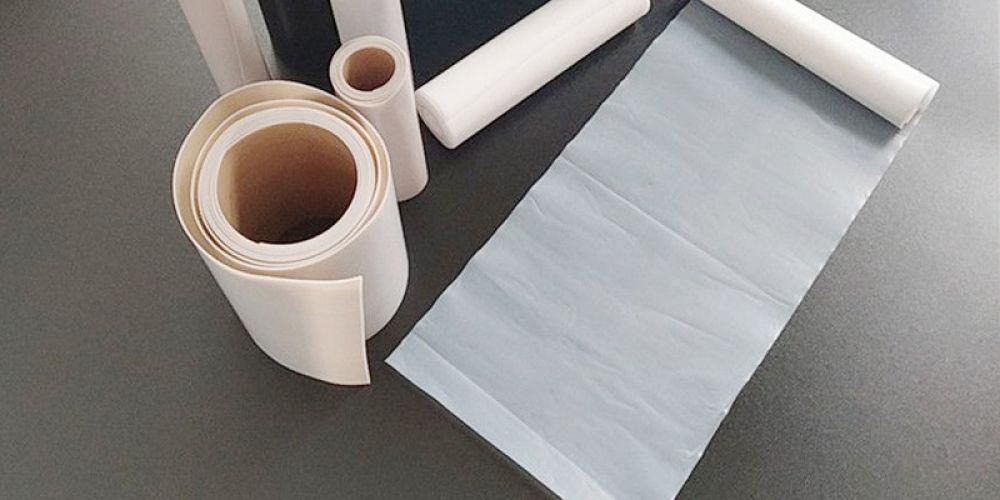
Microporous Structure Porosity exceeds 85%, with 1.4 billion micropores per square centimeter and pore sizes ranging…