
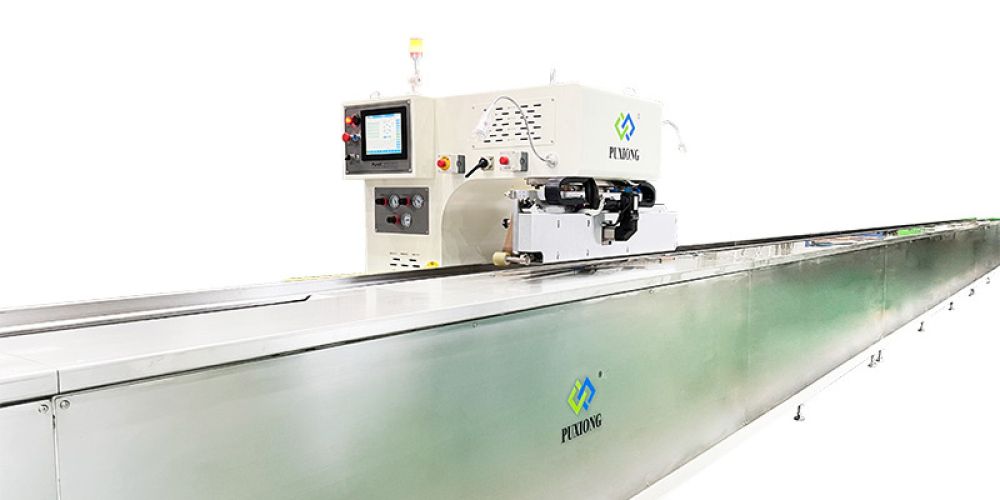
Membrane structure joining is achieved through advanced technologies such as high-frequency welding machines. It offers significant advantages—including high efficiency, environmental friendliness, and aesthetic appeal—and is widely used in large-scale buildings, public facilities, and temporary structures. Detailed benefits are outlined below:
Advantages of Membrane Structure Joining
High Efficiency and Speed: Shortened Construction Time
Welding Speed: High-frequency welding machines achieve speeds of 5–10 meters per minute, far surpassing traditional sewing or adhesive bonding methods and significantly shortening construction schedules.
Automated Operation: PLC control systems allow for parameter presetting, reducing manual intervention and boosting production efficiency. For instance, welding efficiency in stadium membrane joining can increase more than threefold.
Eco-friendly and Energy-efficient: Aligned with Sustainable Development
Pollution-free Welding: Eliminates the need for glues or chemical solvents, preventing volatile organic compound (VOC) emissions and meeting environmental standards.
Low Energy Consumption: The high-frequency oscillation system operates only during welding; low standby power consumption saves energy.
Robust Structure: High Wind Pressure Resistance
Molecular-level Fusion: High-frequency technology polarizes membrane molecules to generate heat, creating a uniform fusion layer where seam strength approaches or exceeds that of the base material.
Wind Resistance: Welded membrane structures can withstand typhoons of Force 12 or higher, meeting architectural requirements in coastal regions.
Aesthetic Appeal: Neat Finish without Visible Seam Marks
Smooth Welding: The weld surface is flat and wrinkle-free, with seam widths controllable to within 8mm, resulting in superior visual quality.
Color Consistency: Supports joining of identical-colored membrane materials, avoiding the color mismatch issues associated with traditional stitching threads.
High Adaptability: Supports Complex Shapes
Customized Molds: Molds can be tailored to the specific shape of the membrane structure, enabling precise joining of complex forms such as arcs and curved surfaces.
Multi-material Compatibility: Compatible with membrane materials like PVC, PTFE, and ETFE, as well as composite materials such as PVC-coated fabrics and TPU air bladders.
Low Maintenance Costs and Long Service Life
Weather Resistance: Welded seams provide excellent sealing, preventing rainwater infiltration and extending the membrane's lifespan.
Ease of Repair: Localized damage can be quickly repaired using high-frequency technology, reducing maintenance costs.
.jpg)
In the construction field, the heat-sealing production methods for different new membrane materials vary depending on…
.jpg)
In the construction field, the heat-sealing of PVDF membrane materials is mainly achieved through processes such…
.jpg)
Due to its unique molecular structure and excellent overall performance, PVDF (polyvinylidene fluoride) membrane material is…
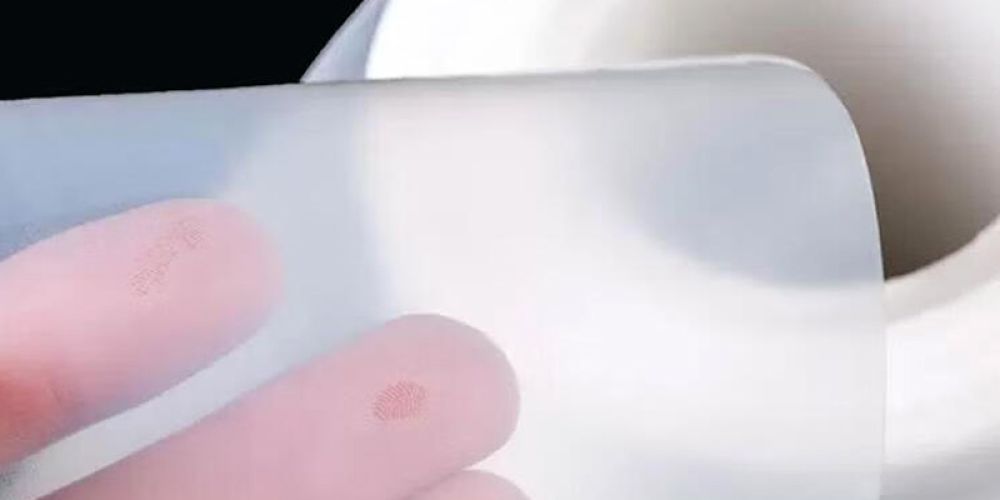
Chemical Inertness: Virtually unreactive with almost all chemical substances; resistant to acids, alkalis, and organic solvents…
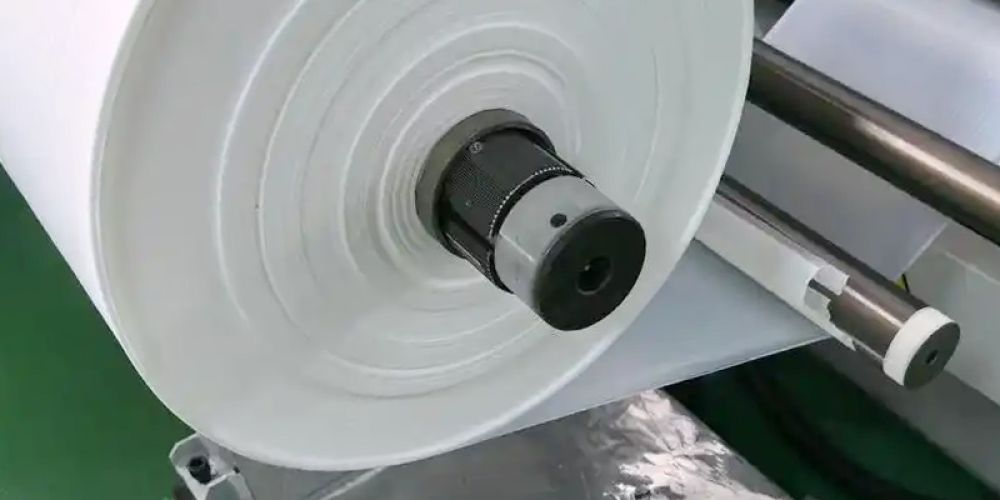
PTFE (polytetrafluoroethylene) film is a high-performance engineering plastic film renowned for its excellent chemical stability, high-temperature…
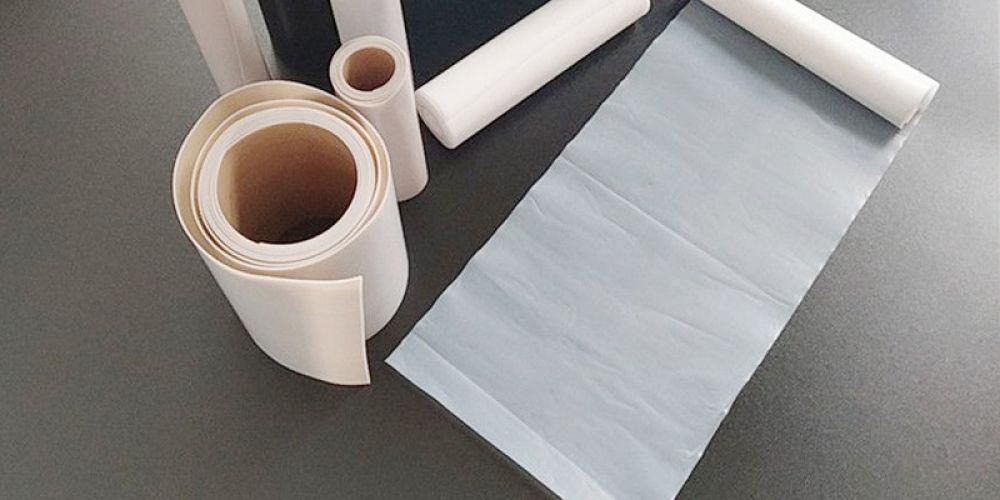
Microporous Structure Porosity exceeds 85%, with 1.4 billion micropores per square centimeter and pore sizes ranging…