
.jpg)
Technical Advantages of High-Frequency Welding: Enhancing Water Filtration System Performance and Reliability
High-Efficiency Sealing
High-frequency heat sealing achieves molecular-level fusion, resulting in weld strength superior to traditional adhesive bonding or mechanical fastening; this eliminates leakage risks, making it particularly suitable for high-pressure reverse osmosis systems.
Chemical Corrosion Resistance
The chemical properties of the welded joint match those of the membrane material, providing resistance to oxidizing agents such as chlorine, acids, and alkalis, thereby extending filter element lifespan (e.g., chlorine resistance of PVDF membranes triples after welding).
Adaptability to Complex Structures
Capable of welding curved surfaces and irregularly shaped membrane modules (such as spiral-wound and hollow-fiber types) to meet diverse water treatment process requirements, including the welding of membrane modules for MBR (Membrane Bioreactor) systems.
Increased Production Efficiency
Welding speeds reach several meters per second—far exceeding traditional heat-fusion or adhesive bonding processes—thereby reducing manufacturing costs for large-scale water treatment systems.
Typical Application Cases: Practical Use in Water Treatment
Seawater Desalination Plants
Scenario: Welding the feed-end caps and permeate tubes of reverse osmosis membrane modules to prevent high-pressure seawater leakage and avoid salt crystallization that could clog membrane pores.
Result: Welded joints last over 10 years, reducing maintenance costs by 30%.
Drinking Water Purification Plants
Scenario: Welding the frames and membrane sheets of nanofiltration modules to remove harmful substances like arsenic and nitrates while retaining beneficial minerals such as calcium and magnesium.
Result: Superior sealing ensures product water quality consistently meets the "Standards for Drinking Water Quality" (GB 5749-2022).
Industrial Wastewater Reuse Systems
Scenario: Welding the end caps and membrane fiber bundles of ultrafiltration filter elements to capture contaminants like oil and heavy metal ions, enabling zero-discharge wastewater treatment.
Result: High weld strength allows filter elements to withstand backwashing pressure, extending service life to over two years.
.jpg)
In the construction field, the heat-sealing production methods for different new membrane materials vary depending on…
.jpg)
In the construction field, the heat-sealing of PVDF membrane materials is mainly achieved through processes such…
.jpg)
Due to its unique molecular structure and excellent overall performance, PVDF (polyvinylidene fluoride) membrane material is…
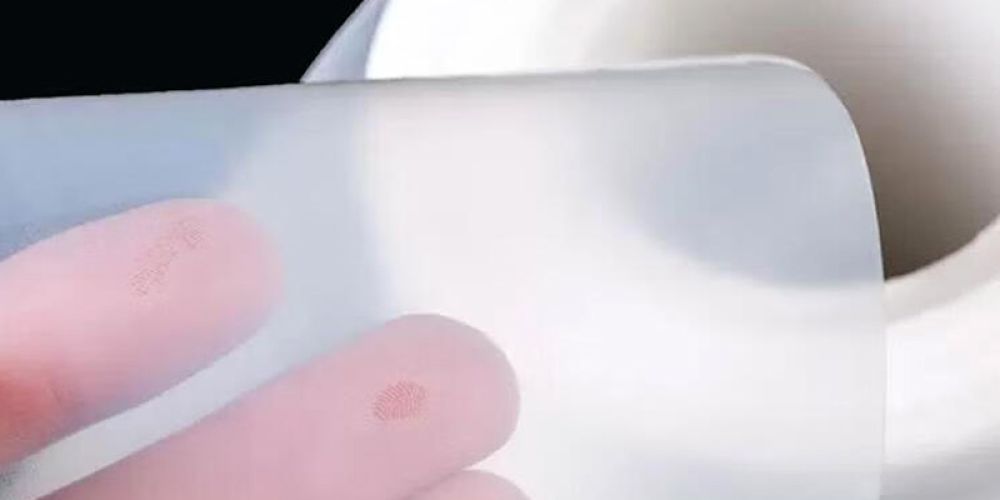
Chemical Inertness: Virtually unreactive with almost all chemical substances; resistant to acids, alkalis, and organic solvents…
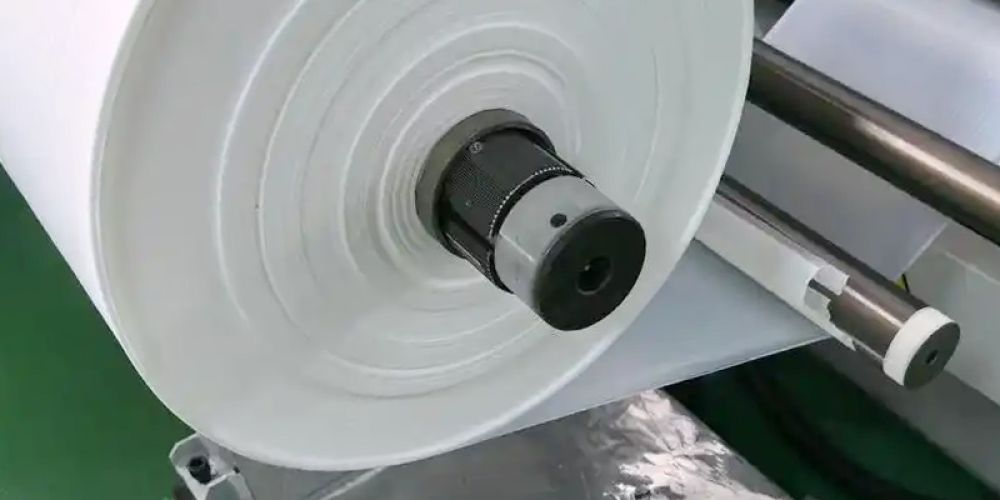
PTFE (polytetrafluoroethylene) film is a high-performance engineering plastic film renowned for its excellent chemical stability, high-temperature…
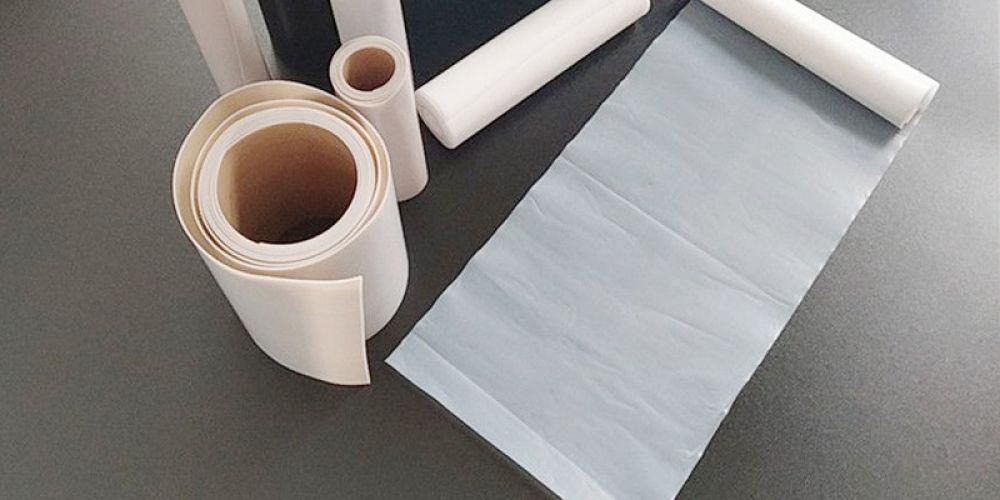
Microporous Structure Porosity exceeds 85%, with 1.4 billion micropores per square centimeter and pore sizes ranging…