
.jpg)
The high-frequency heat sealing machine for membrane materials mainly consists of a high-frequency generator, a heat sealing mold, a pressure regulating system, a temperature control system, an electrical control system, and a cooling system, as detailed below:
1. High-Frequency Generator: The high-frequency generator is the core component of the high-frequency heat sealing machine for membrane materials, responsible for generating a high-frequency electromagnetic field. Its working principle involves using components such as electron tubes or transistors to convert low-frequency alternating current into high-frequency alternating current, thereby forming a high-frequency electromagnetic field around the heat sealing mold. When the membrane material is placed in this electromagnetic field, its internal polar molecules vibrate rapidly due to the high-frequency alternating electric field, generating frictional heat, thus achieving the heat sealing effect. The high-frequency generator is usually installed in the equipment's control cabinet to ensure stable operation and safety protection.
2. Heat Sealing Mold: The heat sealing mold is a key actuator of the high-frequency heat sealing machine for membrane materials, directly performing the heat sealing of the membrane material. Its working principle involves using the high-frequency electromagnetic field to rapidly heat the membrane material on the mold surface to a molten state, followed by adhesion under pressure. The design of the heat sealing mold needs to be customized according to the specific characteristics of the membrane material and the heat sealing requirements to ensure heat sealing quality and efficiency. The mold is typically mounted on the heat-sealing worktable of the equipment for easy replacement and adjustment.
3. Pressure Regulation System The pressure regulation system is a crucial component in the high-frequency heat-sealing machine for membrane materials, ensuring stable and uniform pressure during the heat-sealing process. It works by applying pressure to the heat-sealing mold according to a preset pressure value using actuators such as cylinders or hydraulic cylinders. The pressure regulation system is usually equipped with a pressure sensor and controller, capable of real-time monitoring and adjustment of the pressure to meet the needs of different membrane materials and heat-sealing processes. This system is generally mounted on the equipment frame and connected to the heat-sealing mold.
4. Temperature Control System The temperature control system is a key component in the high-frequency heat-sealing machine for membrane materials, monitoring and regulating the heat-sealing temperature to ensure that the heat-sealing temperature remains within a suitable range. It works by using a temperature sensor to monitor the temperature of the heat-sealing mold or membrane material in real time and feeding the signal back to the controller. The controller, based on a preset temperature value, controls the heat-sealing temperature by adjusting the output power of the high-frequency generator or the flow rate of the cooling system. The temperature control system is usually installed on the equipment's control panel for easy monitoring and adjustment by the operator.
5. Electrical Control System
The electrical control system is the "brain" of the high-frequency heat sealing machine for membrane materials, controlling the operation of the entire equipment. Its working principle involves receiving operator commands and feedback signals from various sensors via a PLC (Programmable Logic Controller) or microcontroller, and then precisely controlling the actuators such as the high-frequency generator, pressure regulation system, and temperature control system according to a preset program. The electrical control system is typically installed in the equipment's control cabinet and boasts high reliability and stability.
6. Cooling System
The cooling system is a crucial component in the high-frequency heat sealing machine for membrane materials, protecting the equipment from high-temperature damage and reducing its temperature, thus extending its service life. Its working principle involves using circulating cooling water or air cooling to remove heat generated by components such as the high-frequency generator and heat sealing mold, maintaining the equipment within a suitable operating temperature range. The cooling system typically includes components such as a cooling water pump, radiator, and fan, installed at the bottom or side of the equipment for easy maintenance and repair.
.jpg)
In the construction field, the heat-sealing production methods for different new membrane materials vary depending on…
.jpg)
In the construction field, the heat-sealing of PVDF membrane materials is mainly achieved through processes such…
.jpg)
Due to its unique molecular structure and excellent overall performance, PVDF (polyvinylidene fluoride) membrane material is…
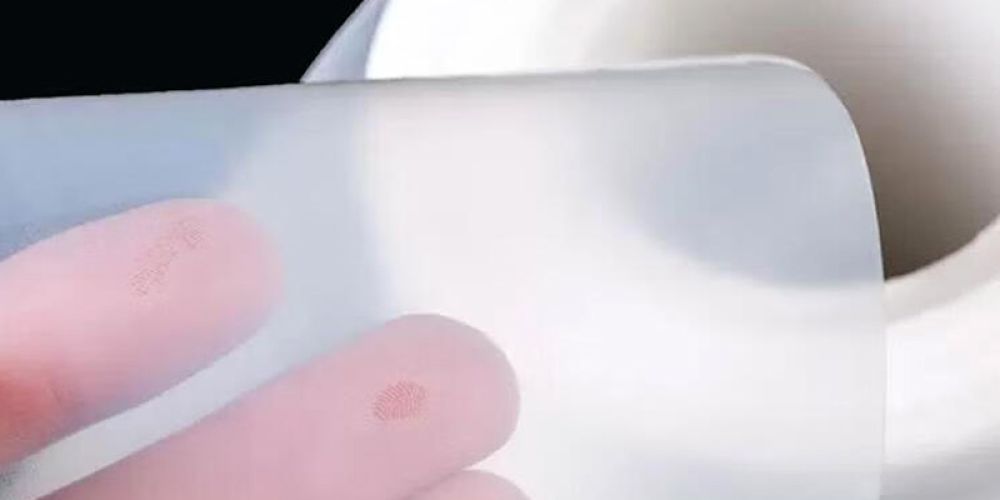
Chemical Inertness: Virtually unreactive with almost all chemical substances; resistant to acids, alkalis, and organic solvents…
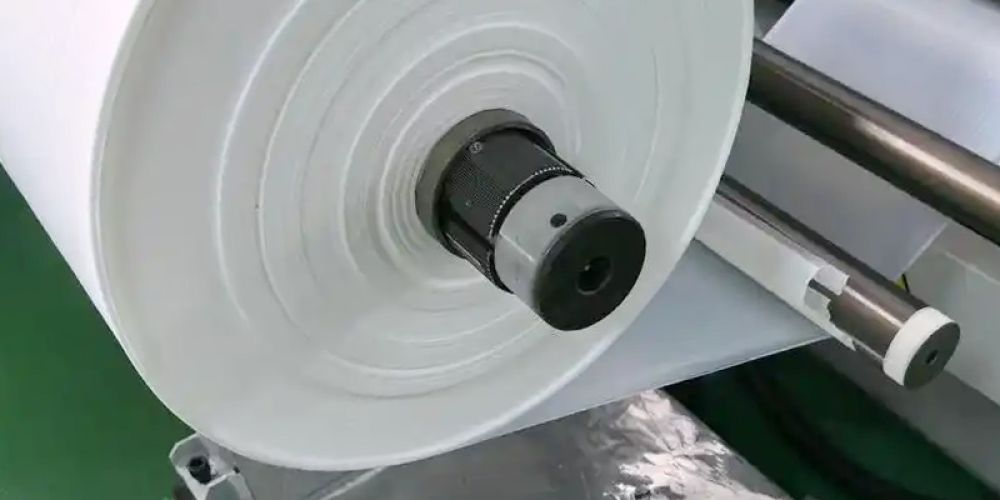
PTFE (polytetrafluoroethylene) film is a high-performance engineering plastic film renowned for its excellent chemical stability, high-temperature…
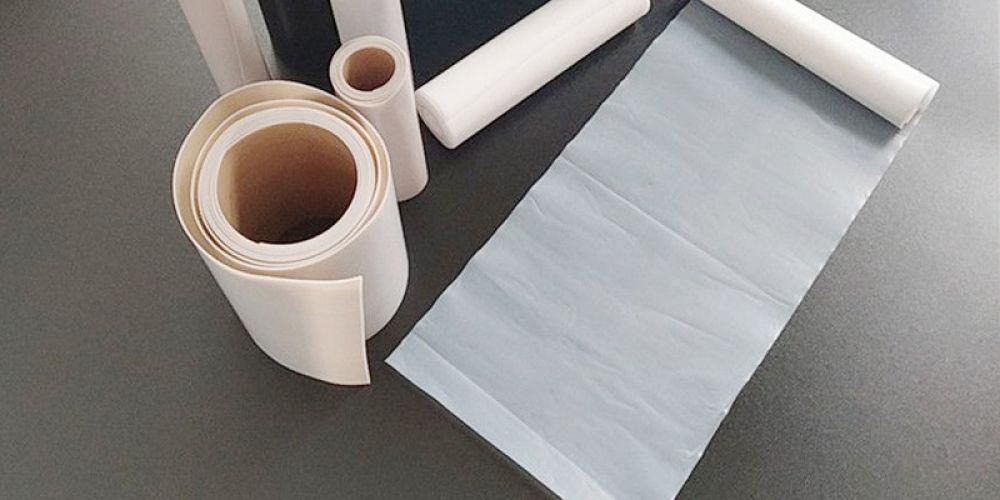
Microporous Structure Porosity exceeds 85%, with 1.4 billion micropores per square centimeter and pore sizes ranging…