
.jpg)
The heat-sealing of PTFE membranes essentially involves melting the polytetrafluoroethylene (PTFE) molecular chains in the coating or substrate of the membrane surface through electrical heating. Under pressure, molecular diffusion and entanglement occur, ultimately forming a permanent bond through cooling and solidification. The key processes include:
Heating Stage: The surface temperature of the PTFE membrane is raised to near its melting point (approximately 260°C) using high-frequency electromagnetic waves, hot air, or contact heating, providing sufficient energy for the molecular chains to enter a molten state.
Pressure Application Stage: Pressure of 0.1-0.5 MPa is applied to the molten region to promote cross-interfacial diffusion of molecular chains, forming molecular-level bonds.
Cooling Stage: Slow cooling is employed to prevent joint cracking caused by thermal expansion and contraction, ensuring stable bond strength.
Experimental data shows that the optimized heat-sealed joint strength can reach over 90% of the base material strength, and the joint surface exhibits a failure mode of weld spalling, meeting engineering safety requirements.
.jpg)
In the construction field, the heat-sealing production methods for different new membrane materials vary depending on…
.jpg)
In the construction field, the heat-sealing of PVDF membrane materials is mainly achieved through processes such…
.jpg)
Due to its unique molecular structure and excellent overall performance, PVDF (polyvinylidene fluoride) membrane material is…
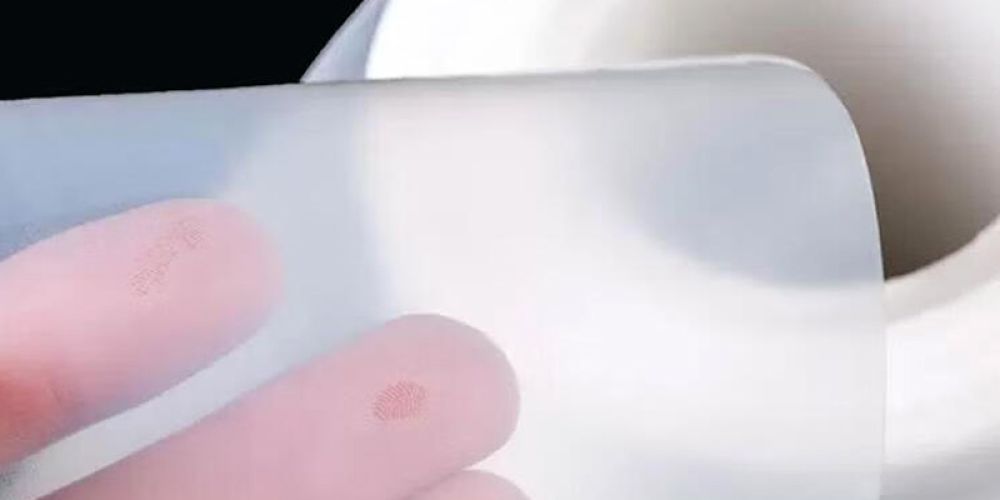
Chemical Inertness: Virtually unreactive with almost all chemical substances; resistant to acids, alkalis, and organic solvents…
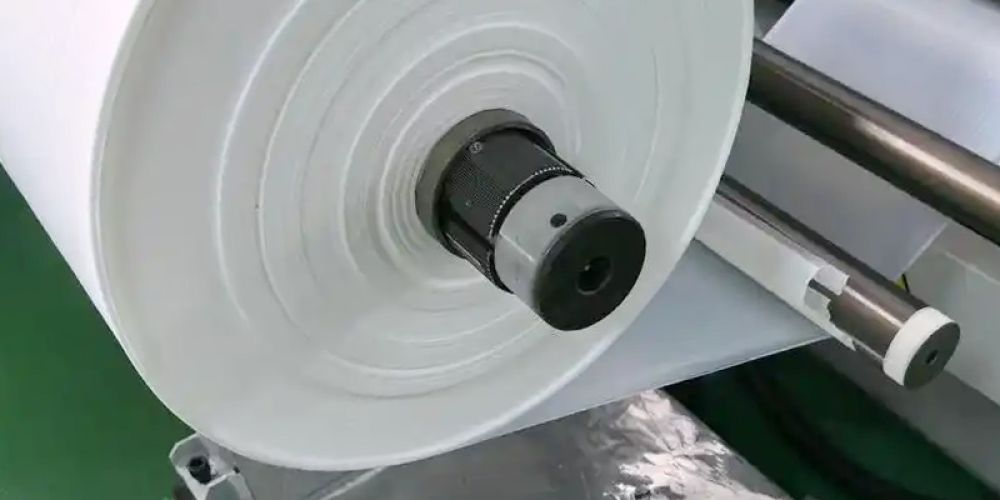
PTFE (polytetrafluoroethylene) film is a high-performance engineering plastic film renowned for its excellent chemical stability, high-temperature…
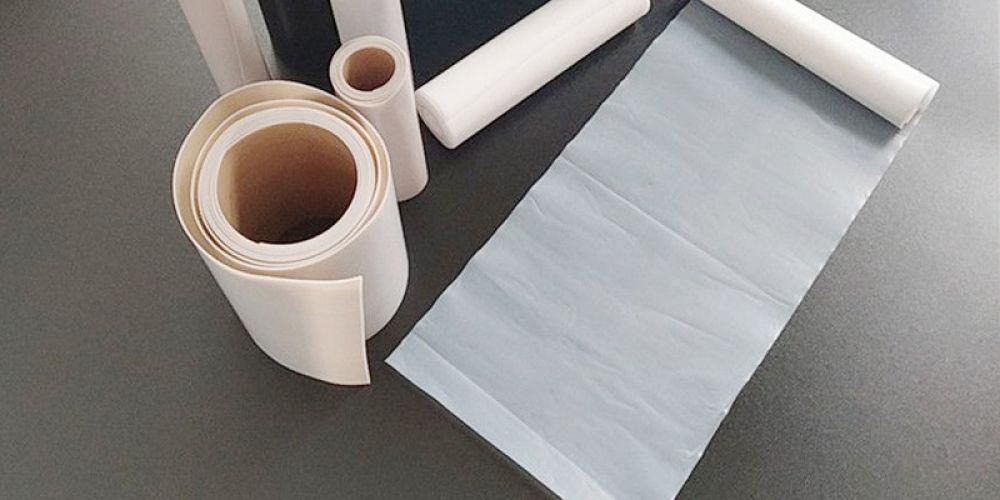
Microporous Structure Porosity exceeds 85%, with 1.4 billion micropores per square centimeter and pore sizes ranging…