
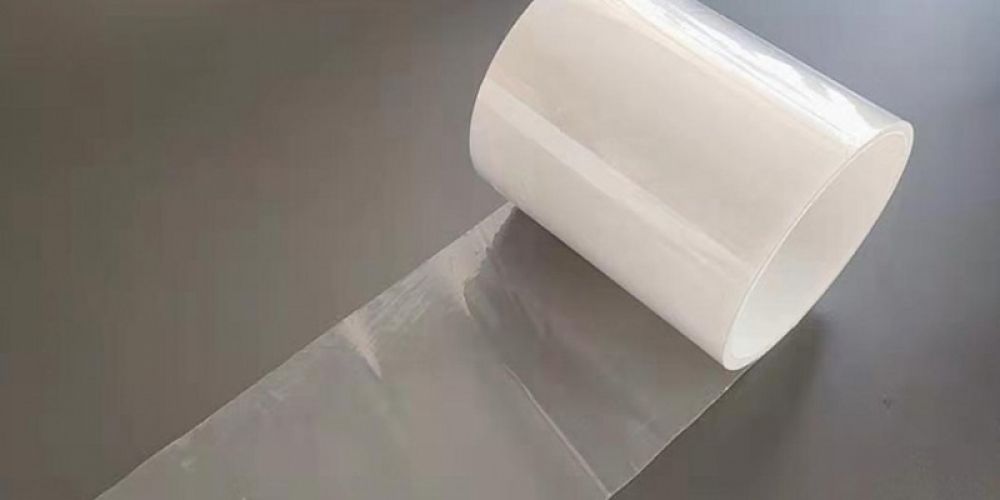
TPU (Thermoplastic Polyurethane) film is a high-performance polymer material widely used in medical, automotive, and sports equipment fields due to its unique physicochemical properties. The following explains its application from three aspects: core performance, application scenarios, and technological innovation:
I. Core Performance Advantages
Mechanical Properties
High Elasticity and Deformation Recovery: Elongation at break reaches 400%-600%, and resilience is close to 100%. Even after 100,000 inflation/deflation cycles, it can quickly return to its original shape, ensuring the long-term stability of massage device airbags.
Tear Strength: 3-5 times that of PVC film, with excellent abrasion resistance, suitable for high-frequency applications (such as car seat massage airbags).
Environmental Adaptability
Wide Temperature Range: Stable performance within -30℃~80℃, does not soften at high temperatures or crack at low temperatures, far exceeding PVC film (which easily releases harmful substances at high temperatures and easily becomes brittle at low temperatures).
Weather Resistance: Resistant to ultraviolet rays and aging, it does not easily yellow with long-term use, while PVC film easily decomposes and discolors under sunlight.
Safety and Environmental Friendliness
No Harmful Additives: Free of phthalate plasticizers, VOCs emission ≤50μg/m³, meeting medical-grade safety standards (e.g., artificial heart assist devices, medical catheters).
Self-Healing Function: Minor scratches can be repaired by heat, extending service life.
II. Typical Application Scenarios
Medical Field
Medical Film: Replaces traditional PE/PVC film for wound dressings and surgical protection, offering both waterproof and breathable properties to reduce the risk of infection.
Artificial Organs: Such as artificial blood vessels and heart assist devices, requiring biocompatibility and blood compatibility.
Automotive Industry
Massage Airbags: TPU film is laminated with non-woven fabric using a high-frequency heat-sealing process to form breathable and antibacterial massage airbags with a service life of 5-8 years.
Invisible Car Cover: Superior impact resistance and self-healing properties compared to PVC/TPH materials, providing long-term protection for the car paint.
Sports and Outdoor Equipment
Inflatable Equipment: Such as diving suits and inflatable toys, TPU composite membranes provide waterproof and breathable properties while enhancing tear resistance.
III. Process Innovation and Functional Expansion
Composite Processes
TPU + Non-woven Fabric: Improves breathability, preventing overheating during prolonged use of massage equipment.
TPU + Antibacterial Coating: Such as a silver ion coating, inhibits bacterial growth, suitable for medical and automotive seats.
Intelligent Adaptation
Biosensor Technology: Some high-end massagers automatically adjust massage intensity using TPU membrane pressure sensors, enhancing the user experience.
IV. Selection and Cost Considerations
Initial Cost: TPU membranes are approximately 1.2-3 times more expensive than PVC, but have a 2-5 times longer lifespan, offering better long-term cost-effectiveness.
Certification Standards: Medical/food grade applications require TPU membranes certified by ISO 10993 or the FDA.
For further information on the application details of TPU membranes in specific fields (such as medical catheters or customized automotive seats), please provide specific requirements.
.jpg)
In the construction field, the heat-sealing production methods for different new membrane materials vary depending on…
.jpg)
In the construction field, the heat-sealing of PVDF membrane materials is mainly achieved through processes such…
.jpg)
Due to its unique molecular structure and excellent overall performance, PVDF (polyvinylidene fluoride) membrane material is…
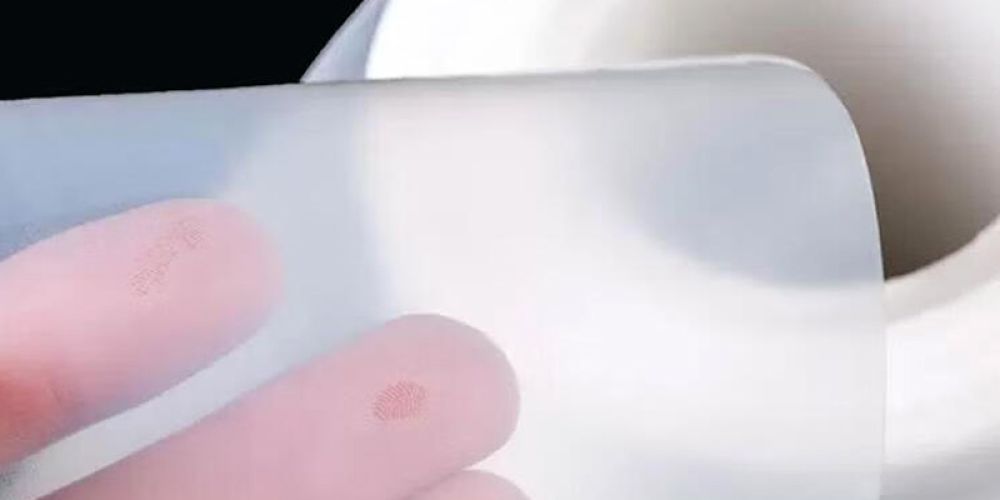
Chemical Inertness: Virtually unreactive with almost all chemical substances; resistant to acids, alkalis, and organic solvents…
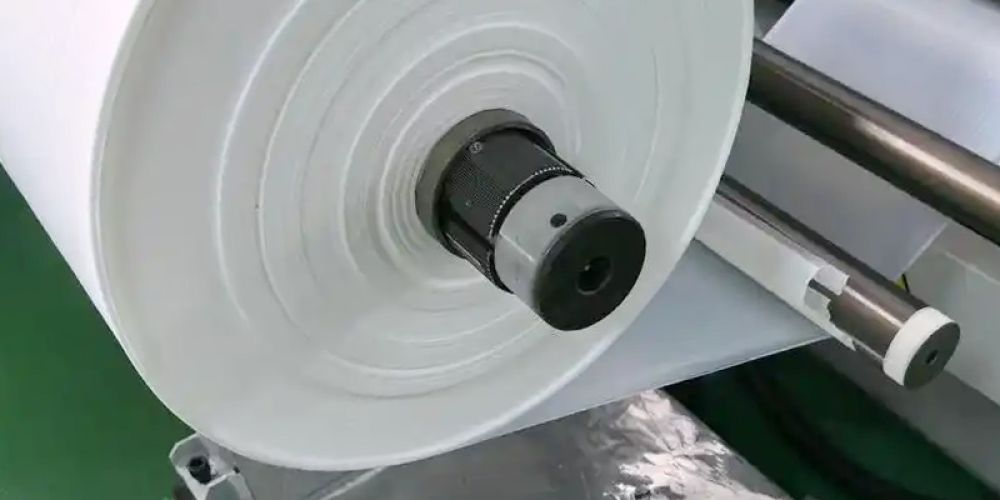
PTFE (polytetrafluoroethylene) film is a high-performance engineering plastic film renowned for its excellent chemical stability, high-temperature…
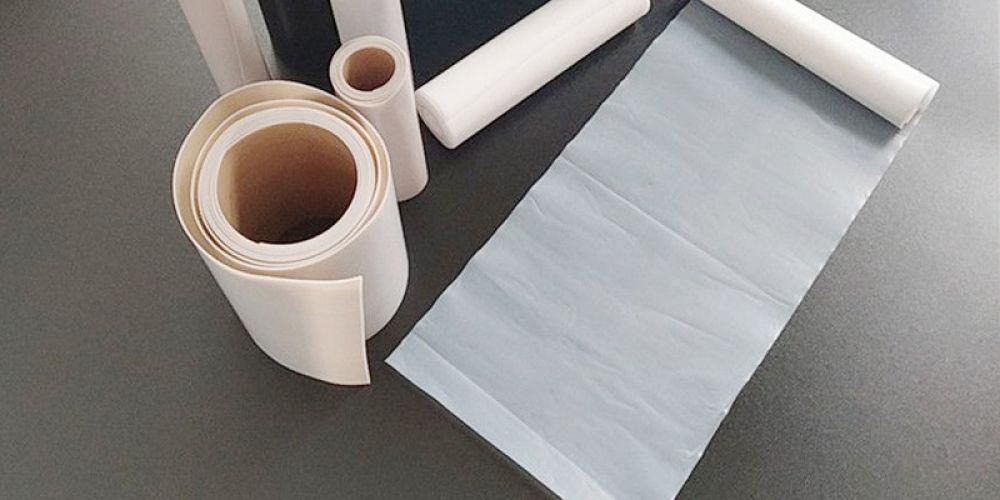
Microporous Structure Porosity exceeds 85%, with 1.4 billion micropores per square centimeter and pore sizes ranging…