

PTFE membranes (polytetrafluoroethylene membranes) can be classified based on function, application, and structure, demonstrating significant value across various fields. A detailed overview follows:
Classification by Application
Apparel membranes: Utilize micropore size variations to achieve waterproof, breathable, windproof, and thermal insulation properties; widely used in protective clothing, outdoor gear, footwear, and headwear.
Air filtration membranes:
Chemically resistant and high-temperature resistant; capable of efficiently capturing industrial flue gas particles with a filtration efficiency of 99.99%; used for flue gas treatment in industries such as chemicals, steel, and metallurgy.
Pore sizes can be controlled between 0.2 and 15 μm, with a porosity exceeding 85%.
Air purification membranes:
Small pore sizes (0.05–0.45 μm) with uniform distribution and high porosity; capable of filtering bacteria and particulates; used in pharmaceuticals, biochemistry, microelectronics, and laboratory consumables.
Composite membranes: Combined with other materials to enhance mechanical strength, thermal insulation, or moisture/air permeability; for example, lamination with fabrics creates high-performance waterproof textiles.
Architectural membranes: Used for roofing large stadiums and exhibition halls—such as the membrane structure of China's National Stadium ("Bird's Nest")—offering aesthetics, durability, and strong self-cleaning properties.
Electronic membranes: Used for the insulation and heat dissipation of electronic components, such as in wire and cable applications and printed circuit board (PCB) packaging.
Classification by Function
PTFE outer membranes
Structure: High-strength fiberglass fabric coated with a durable PTFE protective layer.
Characteristics: High strength, excellent self-cleaning properties, wind and rain protection (air- and water-impermeable), light transmission of 8%–15% (translucent but opaque to views), and no sound absorption.
Applications: Outer covering material for large public facilities such as stadium roofs, airport terminals, and exhibition centers.
PTFE inner membranes
Structure: Uncoated design.
Characteristics: Lower strength than outer membranes, good flexibility, Class A fire rating, sound-absorbing capabilities, light transmission of 20%–40% (translucent but opaque to views), air-permeable yet water-impermeable, and lower self-cleaning capability compared to outer membranes. Applications: Architectural shading and sound-absorbing/sound-insulating scenarios, such as interior partitions and acoustic decorative elements.
PTFE Mesh Membrane
Structure: Wide spacing between base yarns and a non-continuous coating, resulting in an open area ratio of 20%–70%.
Characteristics: Light transmission of 30%–70% (allowing light and visibility); effective for decoration and shading; lower strength than exterior-grade membranes; permeable to air and water; does not absorb sound.
Applications: Shading for vertical gardens, architectural facade decoration, and ventilated structures.
Laminated PTFE Mesh Membrane
Structure: A transparent film (such as transparent PTFE, FEP, PE, or ETFE) is applied over the mesh membrane.
Characteristics: High light transmission, high visibility, and rain resistance.
Applications: Building roofs or curtain walls requiring high light transmission, such as transparent domes for exhibition halls.
.jpg)
In the construction field, the heat-sealing production methods for different new membrane materials vary depending on…
.jpg)
In the construction field, the heat-sealing of PVDF membrane materials is mainly achieved through processes such…
.jpg)
Due to its unique molecular structure and excellent overall performance, PVDF (polyvinylidene fluoride) membrane material is…
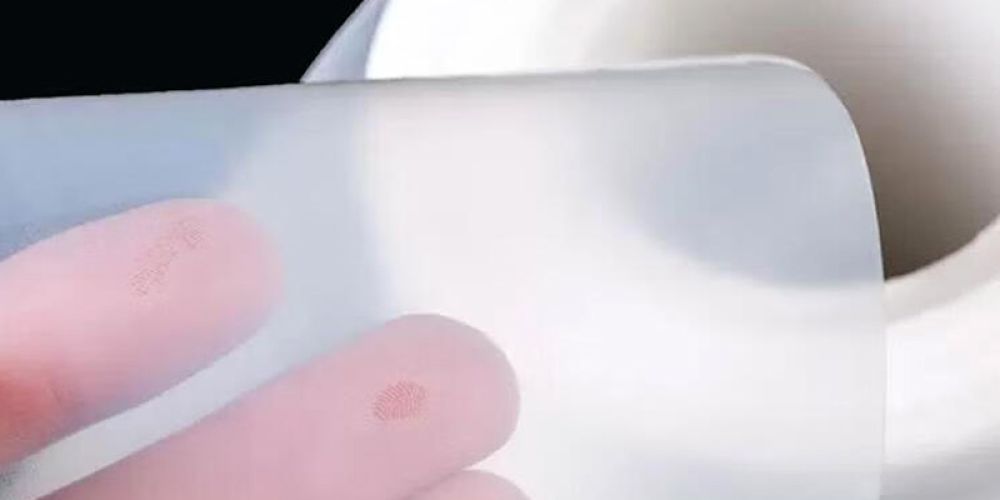
Chemical Inertness: Virtually unreactive with almost all chemical substances; resistant to acids, alkalis, and organic solvents…
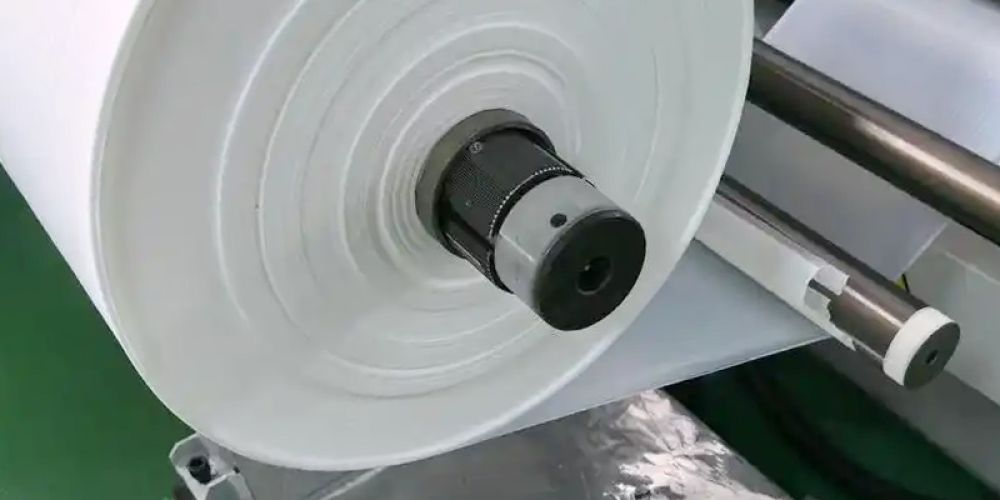
PTFE (polytetrafluoroethylene) film is a high-performance engineering plastic film renowned for its excellent chemical stability, high-temperature…
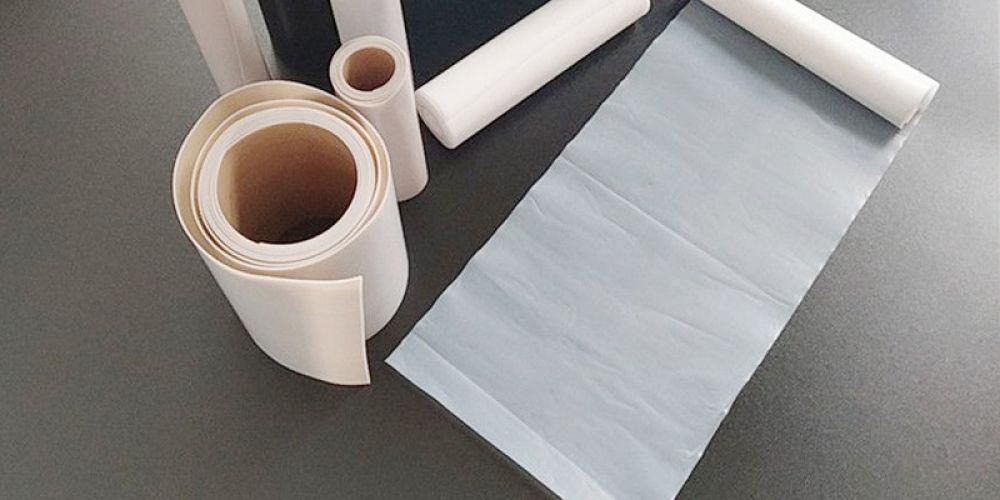
Microporous Structure Porosity exceeds 85%, with 1.4 billion micropores per square centimeter and pore sizes ranging…