

PTFE (polytetrafluoroethylene) film is a microporous film produced from PTFE resin using specialized processes such as calendering, extrusion, and biaxial stretching. It possesses unique physical and chemical properties and is widely used across various sectors. Below is a detailed classification of its functions:
PTFE microporous film: Used for air and liquid filtration, gas diffusion, and similar applications.
PTFE breathable film: Used for waterproof-breathable layers in outdoor apparel, respirator filter membranes, etc.
PTFE architectural membrane: Used in the construction industry, such as for membrane structure roofing.
PTFE electronic film: Used in the electronics industry for insulation, protection, and heat dissipation.
Typical Application Cases
Industrial Filtration
PTFE dust-removal filter membranes are critical materials for flue gas treatment and recovery in industries such as cement, steel, metallurgy, and chemicals; they offer high filtration efficiency, low operating resistance, and a long service life.
Medical Field
ePTFE membranes are used in artificial blood vessels, cardiac patches, wound dressings, and more, thanks to their excellent biocompatibility, breathability, and chemical stability.
Construction Field
PTFE architectural membranes are used in roofing systems for large public facilities like stadiums, airport terminals, and exhibition centers; they feature high durability, fire resistance, and strong self-cleaning properties.
Electronics and Electrical
PTFE electronic films are used in semiconductor manufacturing, high-frequency electronic equipment, and fuel cell proton exchange membranes, offering outstanding dielectric properties and temperature resistance.
Environmental Protection
PTFE membranes are used in waste gas treatment, wastewater treatment, and ultrapure water production systems; they exhibit strong chemical corrosion resistance and are suitable for harsh environments.
.jpg)
In the construction field, the heat-sealing production methods for different new membrane materials vary depending on…
.jpg)
In the construction field, the heat-sealing of PVDF membrane materials is mainly achieved through processes such…
.jpg)
Due to its unique molecular structure and excellent overall performance, PVDF (polyvinylidene fluoride) membrane material is…
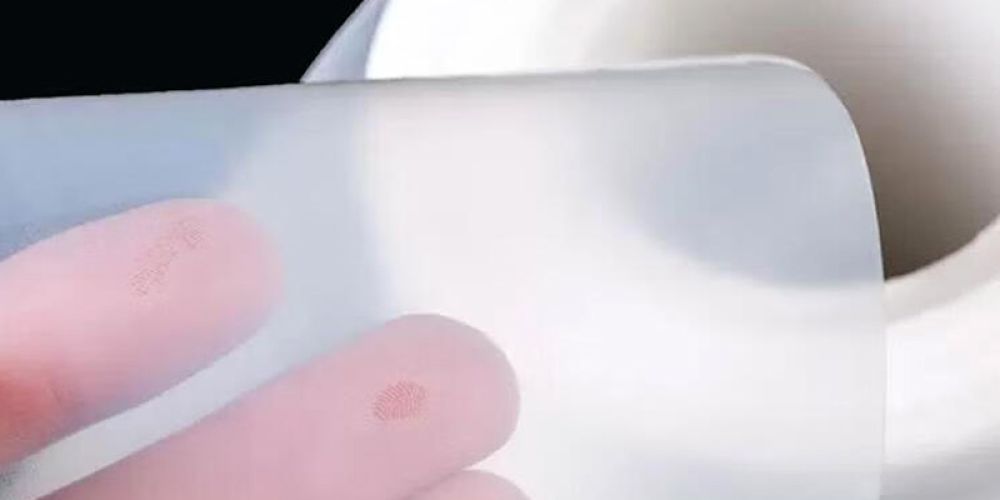
Chemical Inertness: Virtually unreactive with almost all chemical substances; resistant to acids, alkalis, and organic solvents…
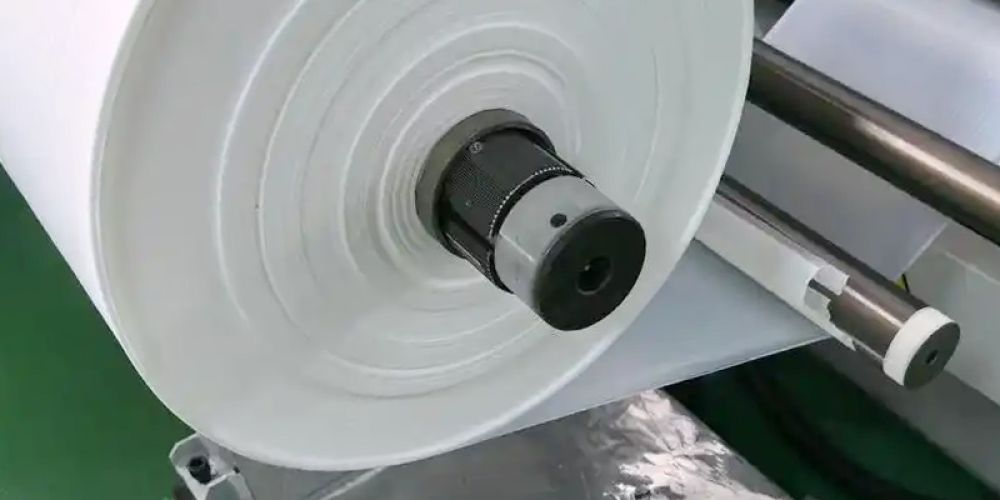
PTFE (polytetrafluoroethylene) film is a high-performance engineering plastic film renowned for its excellent chemical stability, high-temperature…
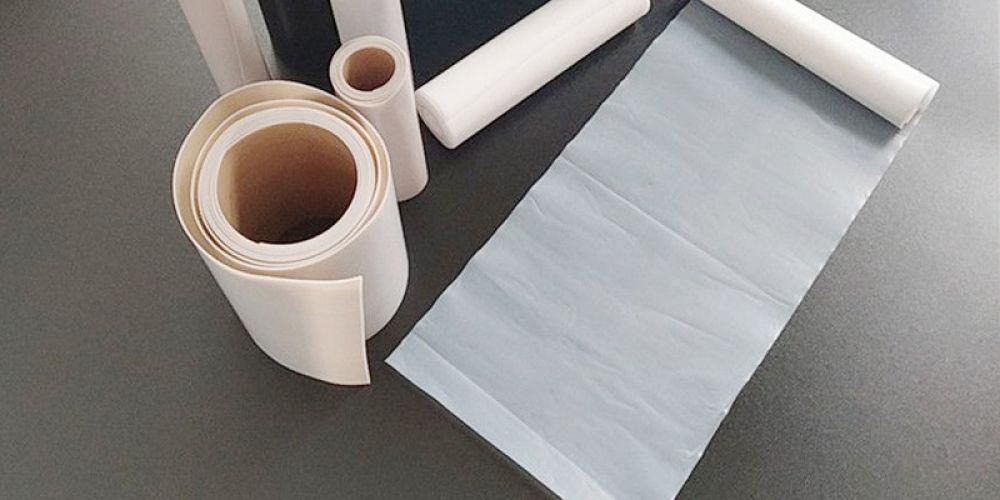
Microporous Structure Porosity exceeds 85%, with 1.4 billion micropores per square centimeter and pore sizes ranging…