
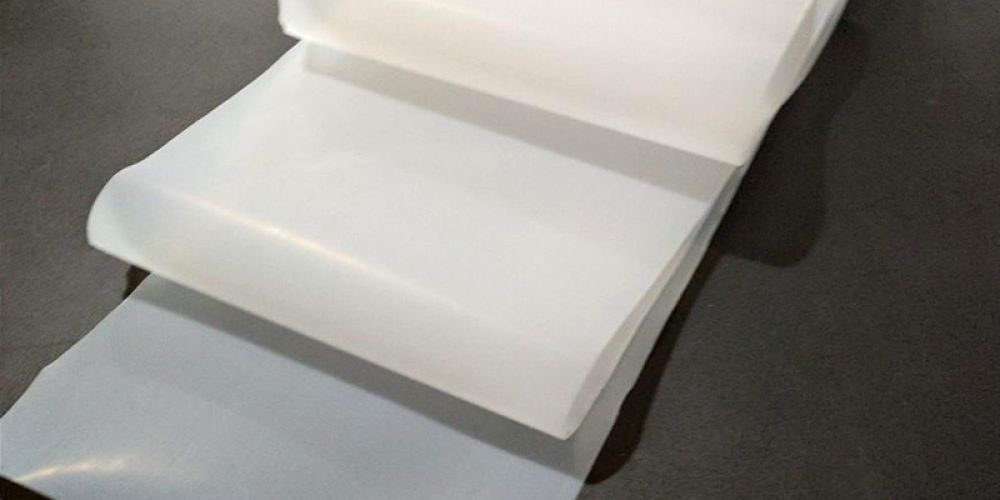
"Teflon" is the common name for polytetrafluoroethylene (PTFE). In a broader sense, the term encompasses a variety of fluoroplastic materials. The key differences are as follows:
Polytetrafluoroethylene (PTFE)
Temperature range: -196°C to 260°C
Characteristics: Exceptional chemical stability—virtually insoluble in any solvent—with an extremely low coefficient of friction. It is fire-resistant, non-stick, and corrosion-resistant.
Fluorinated Ethylene Propylene (FEP)
Temperature range: 200°C
Characteristics: Excellent insulating properties. It is frequently used in applications such as battery monitoring cables for new energy vehicles, offering a lifespan three times longer than standard PVC in salt-spray environments.
Perfluoroalkoxy (PFA)
Temperature range: Above 260°C
Characteristics: High toughness; suitable for long-term use in high-temperature environments, such as in wiring for ovens and other home appliances.
Polyvinylidene Fluoride (PVDF)
Temperature range: 150°C
Characteristics: Suitable for high-temperature environments, such as steam heating systems.
Fluorinated Ethylene Propylene (FEP)
Temperature range: 200°C
Characteristics: Similar to FEP (as noted above), though specific application scenarios may vary.
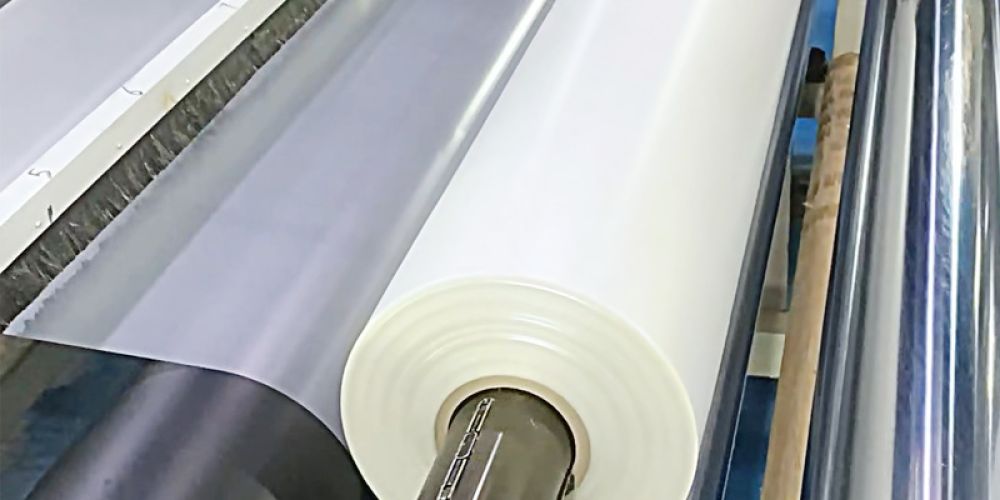
ETFE (ethylene-tetrafluoroethylene copolymer) and FEP (fluorinated ethylene propylene copolymer) differ in their properties, and their welding…
"Teflon" is the common name for polytetrafluoroethylene (PTFE). In a broader sense, the term encompasses a…

1. High-Frequency Welding Machine (High-Frequency Sealing Machine) Principle: Utilizes a high-frequency electromagnetic field (20–50 kHz) to…
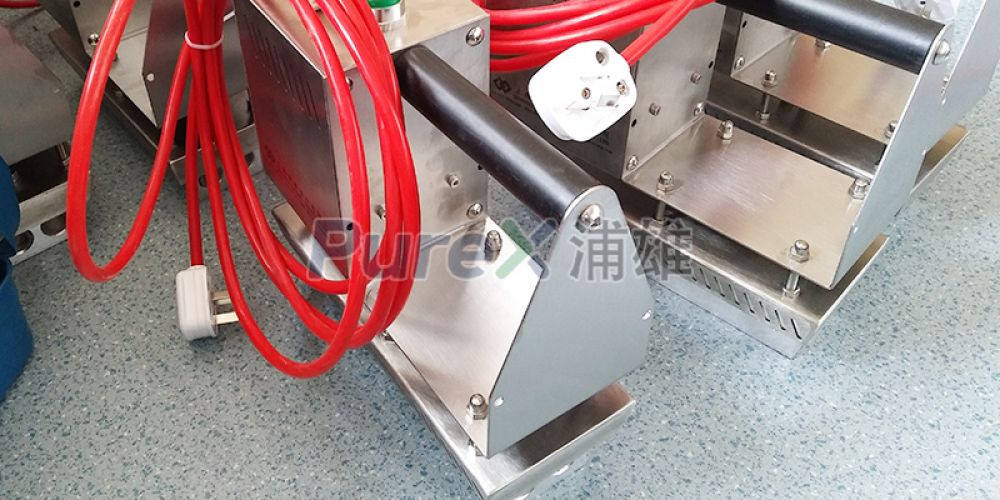
Handheld membrane welding machines are portable devices used for on-site welding or repairing of membrane structures…
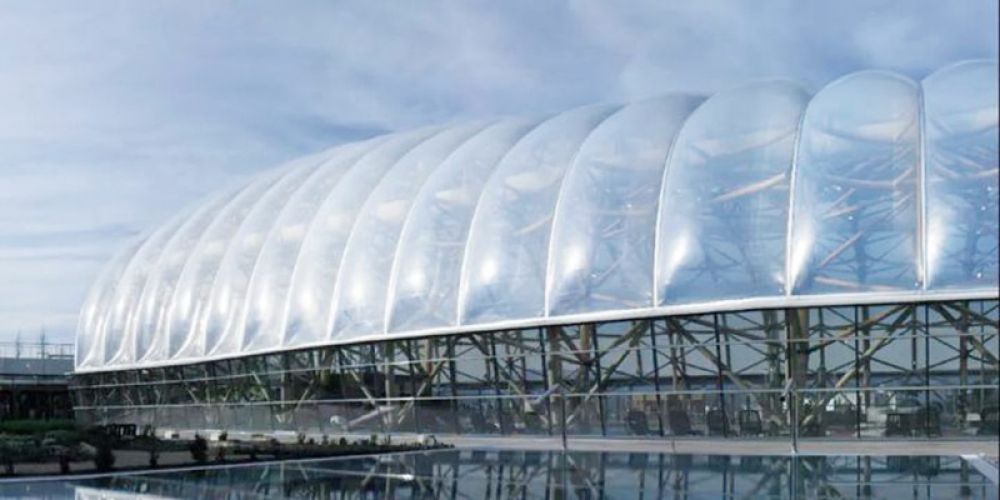
Membrane material heat-sealing technology is a critical process in the fabrication of membrane structures, primarily relying…

Heat-sealing equipment designed for large-scale membrane structure projects—such as sports venues and canopies—must meet three core…