
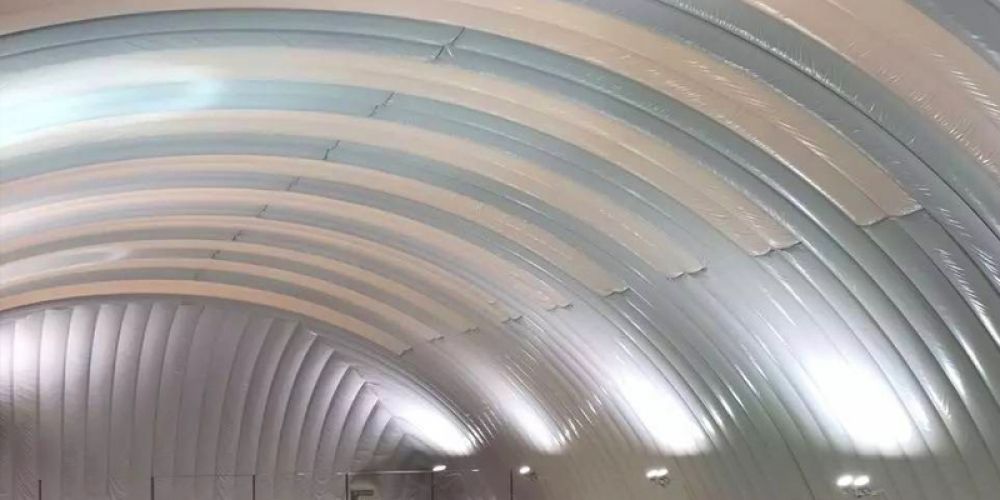
High-frequency welding is suitable for large-area welding of PVC membranes and some PTFE composite membranes. It generates heat by exciting the internal molecular vibrations of the membrane material using high-frequency electromagnetic waves, resulting in high efficiency and uniform heating.
For example, in the construction of membrane structures for sports stadiums, high-frequency welding can achieve welding speeds of hundreds of meters per hour, with the seam light transmittance differing from the base material by less than 5%.
Hot air welding uses PFA (fusible polytetrafluoroethylene) welding rods as the hot melt medium. Heating to 420-450℃ using a hot air gun causes the welding rod and membrane surface to melt simultaneously. This process is highly flexible and suitable for repairing curved or irregularly shaped structures, such as partial repairs of the lining of chemical storage tanks. However, the weld strength is approximately 60% of the base material, and its sealing performance needs to be verified through a steam-water circulation test (500 alternating tests without leakage).
.jpg)
In the construction field, the heat-sealing production methods for different new membrane materials vary depending on…
.jpg)
In the construction field, the heat-sealing of PVDF membrane materials is mainly achieved through processes such…
.jpg)
Due to its unique molecular structure and excellent overall performance, PVDF (polyvinylidene fluoride) membrane material is…
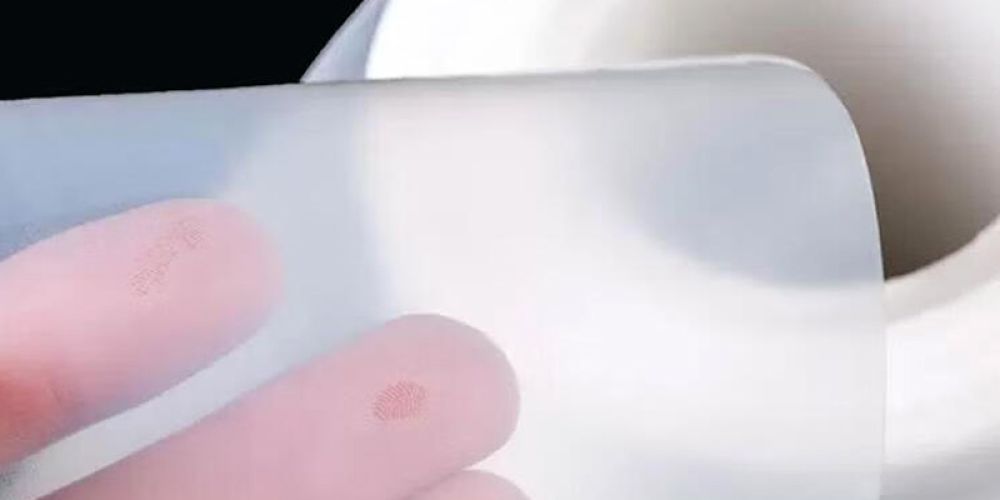
Chemical Inertness: Virtually unreactive with almost all chemical substances; resistant to acids, alkalis, and organic solvents…
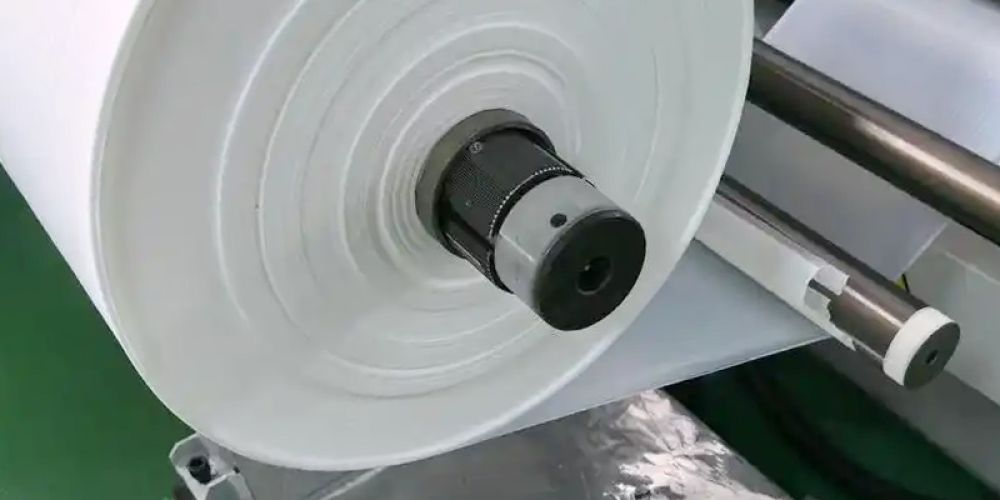
PTFE (polytetrafluoroethylene) film is a high-performance engineering plastic film renowned for its excellent chemical stability, high-temperature…
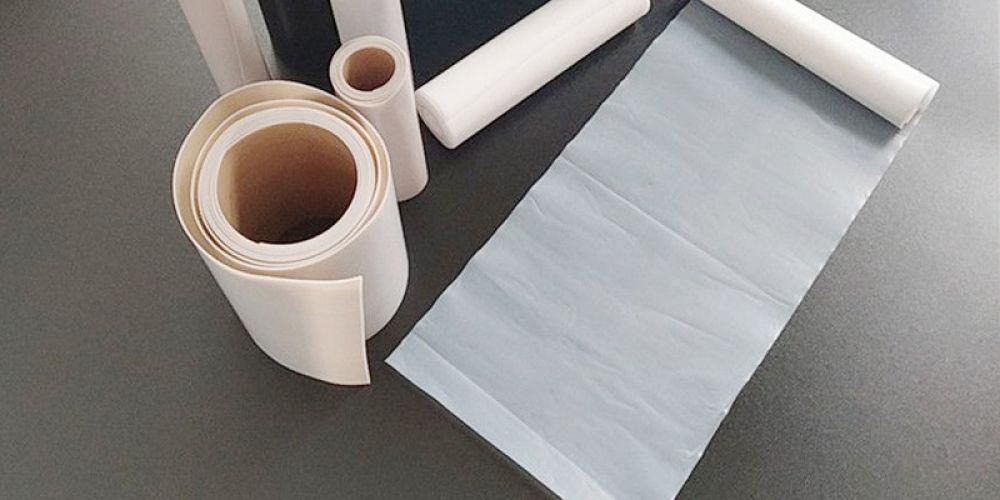
Microporous Structure Porosity exceeds 85%, with 1.4 billion micropores per square centimeter and pore sizes ranging…