
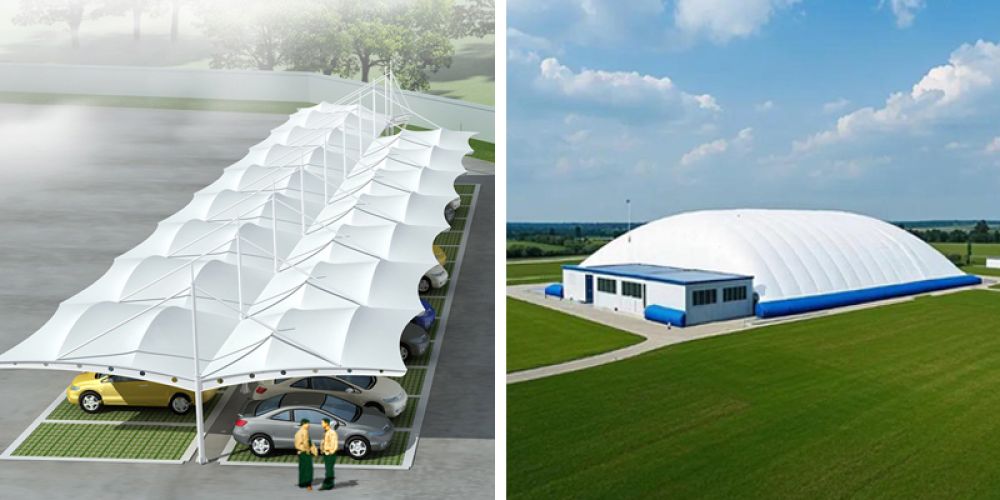
Air-supported membrane structures and tensile membrane structures are the two mainstream forms of modern membrane structures. Their core differences stem from their fundamentally different structural principles, which in turn determine their unique performance, form, and application scenarios.
I. Core Principle: Air Support vs. Mechanical Tensioning
This is the most fundamental difference. Air-supported membrane structures are "active" structures, relying on the pressure difference (approximately 250-750 Pa) generated by continuous internal inflation as the primary supporting force, allowing the membrane surface to naturally inflate and take shape. Tensile membrane structures are "passive" structures, relying on rigid boundaries such as steel structures, masts, and cable nets to pre-apply enormous tension, "stretching" the membrane surface into a stable curved surface.
II. Space and Form: Pure Space vs. Artistic Design
The principle directly determines the spatial experience. Air-supported membrane structures have no beams, columns, or cables inside, providing a complete, unobstructed, ultra-large span space with 100% space utilization, but their forms are relatively simple, mainly arched and spherical. Tensile membrane structures typically have internal support points, and their space is divided by structural elements. However, their greatest advantage lies in their freedom of form, allowing for the creation of highly dynamic and iconic complex curved surfaces, making them a carrier of architectural art.
III. Construction and Operation: Rapid Functionality vs. Persistent Landmarks
Air-supported membrane structures can be prefabricated in factories, enabling fast and low-cost on-site installation, offering rapid deployment advantages. However, they require continuous 24-hour inflation, resulting in continuous energy consumption. Tensile membrane structures have complex steel foundations, longer design and construction cycles, and higher costs, but once completed, they require no additional energy to maintain their shape, serving as permanent or semi-permanent landmark buildings.
IV. Performance and Economy
Span: In the field of ultra-large spans (>100 meters), air-supported membrane structures have a significant economic advantage, while the cost of tensile membrane structures increases dramatically.
Airtightness: Air-supported membrane structures must be fully enclosed to achieve air support, making them inherently suitable for warehousing, environmental protection, and sports venues. Tensile membrane structures can be open or semi-enclosed, commonly used for plaza shading, building entrances, etc.
Safety: Both are safe and reliable. Air-supported membrane structures rely on a continuous energy supply and intelligent control systems; tensile membrane structures, on the other hand, depend on precise initial prestressing design and a robust foundation.
Summary: Selection Logic The choice of structure depends on core needs:
Air-supported membrane structures: When you need an economical, rapid, and functional container that can provide a large, column-free enclosed space. Typical applications: coal bunker enclosures, logistics warehouses, indoor stadiums, emergency facilities.
Tensile membrane structures: When you are pursuing unique architectural aesthetics, iconic urban landmarks, or an open/semi-open landscape space. Typical applications: stadium grandstand canopies, transportation hubs, cultural center plazas, scenic area features.
In short, air-supported membrane structures are an efficient tool for "creating space," while tensile membrane structures are an artistic means of "shaping form." Both address different architectural challenges in their respective domains.
.jpg)
In the construction field, the heat-sealing production methods for different new membrane materials vary depending on…
.jpg)
In the construction field, the heat-sealing of PVDF membrane materials is mainly achieved through processes such…
.jpg)
Due to its unique molecular structure and excellent overall performance, PVDF (polyvinylidene fluoride) membrane material is…
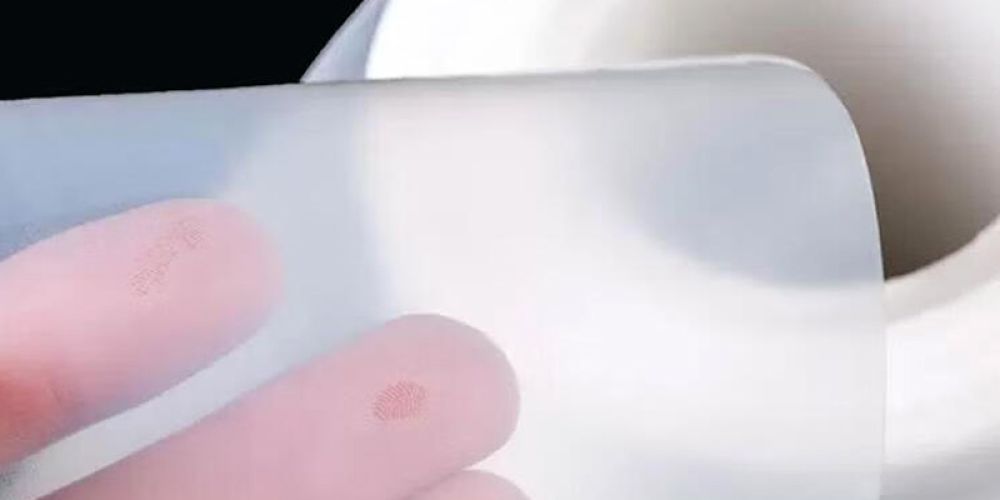
Chemical Inertness: Virtually unreactive with almost all chemical substances; resistant to acids, alkalis, and organic solvents…
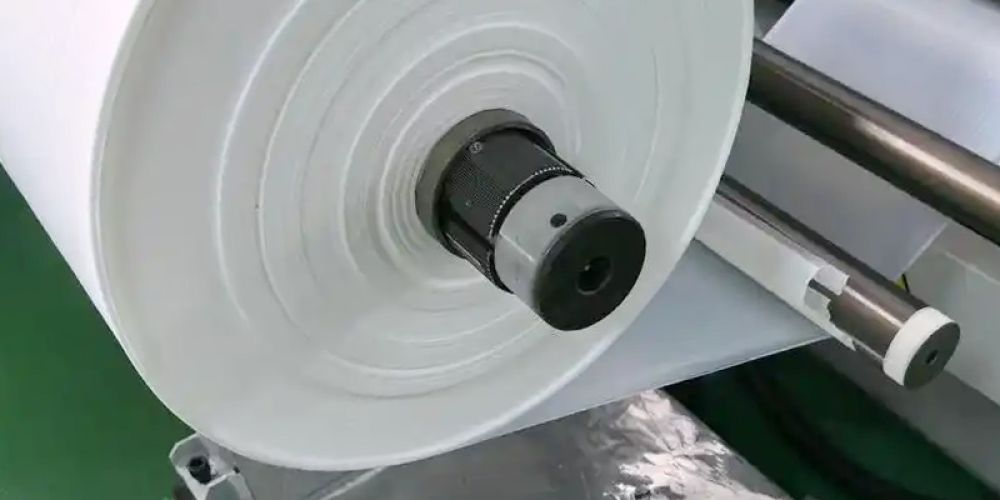
PTFE (polytetrafluoroethylene) film is a high-performance engineering plastic film renowned for its excellent chemical stability, high-temperature…
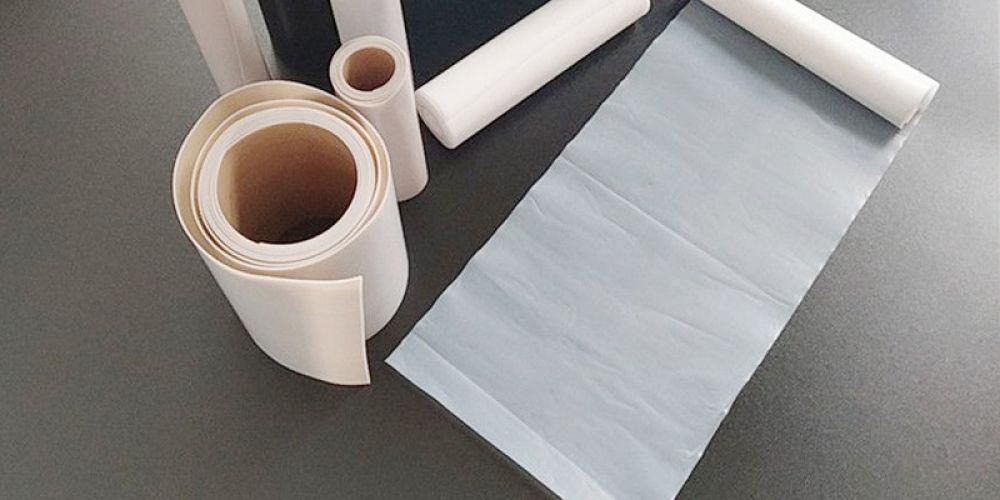
Microporous Structure Porosity exceeds 85%, with 1.4 billion micropores per square centimeter and pore sizes ranging…