
.jpg)
PVC Membrane Material: Core Characteristics and Types
PVC (Polyvinyl Chloride) is a general-purpose plastic whose hardness and softness are adjusted by adding plasticizers.
Main Advantages:
Low Cost: Its biggest advantage, offering excellent value for money.
Good Flexibility: Soft PVC is very flexible, easy to process and shape.
Chemical Resistance: It has good resistance to acids, alkalis, salts, alcohols, and oils.
Flame Retardancy: It is inherently flame-retardant (self-extinguishing upon removal of flame).
Adjustable Transparency: Available in various colors and prints, from transparent to transparent.
Easy to Modify: Its UV resistance, weather resistance, and mildew resistance can be enhanced with additives.
Mainstream Heat Sealing Method: High-Frequency Heat Sealing
Principle: This is the most commonly used process for PVC. A high-frequency electric field causes the dipoles in the PVC molecules (due to their polar molecular structure) to move violently, generating heat through friction. This heats the material from the inside until it melts, and then bonds under pressure.
Characteristics:
Only suitable for polar plastics (such as PVC); ineffective for non-polar materials.
Uniform heating and a strong seal result in weld strength approaching that of the base material.
It can create complex, waterproof seams and is commonly used for heat-sealing membrane materials in membrane structures.
It produces no smoke and has a clean appearance.
Key controls: high-frequency power, welding time, pressure, and mold design.
.jpg)
In the construction field, the heat-sealing production methods for different new membrane materials vary depending on…
.jpg)
In the construction field, the heat-sealing of PVDF membrane materials is mainly achieved through processes such…
.jpg)
Due to its unique molecular structure and excellent overall performance, PVDF (polyvinylidene fluoride) membrane material is…
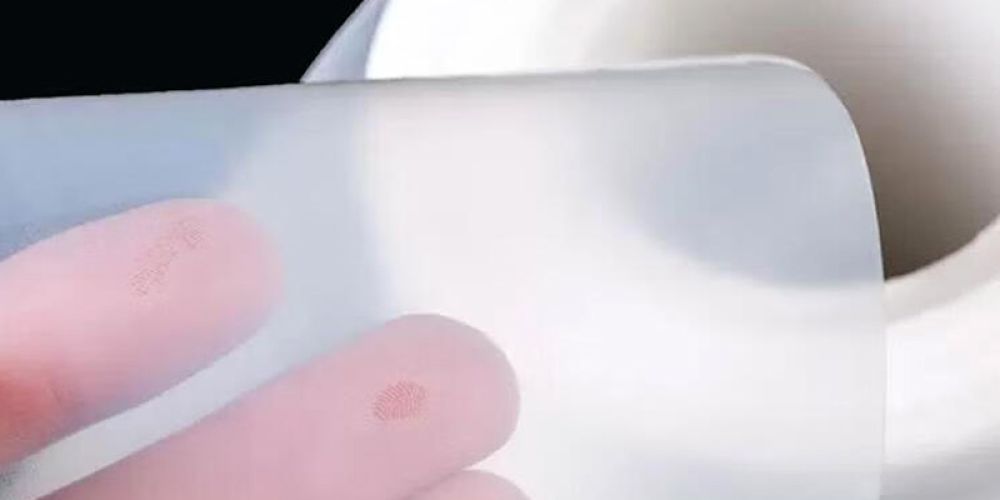
Chemical Inertness: Virtually unreactive with almost all chemical substances; resistant to acids, alkalis, and organic solvents…
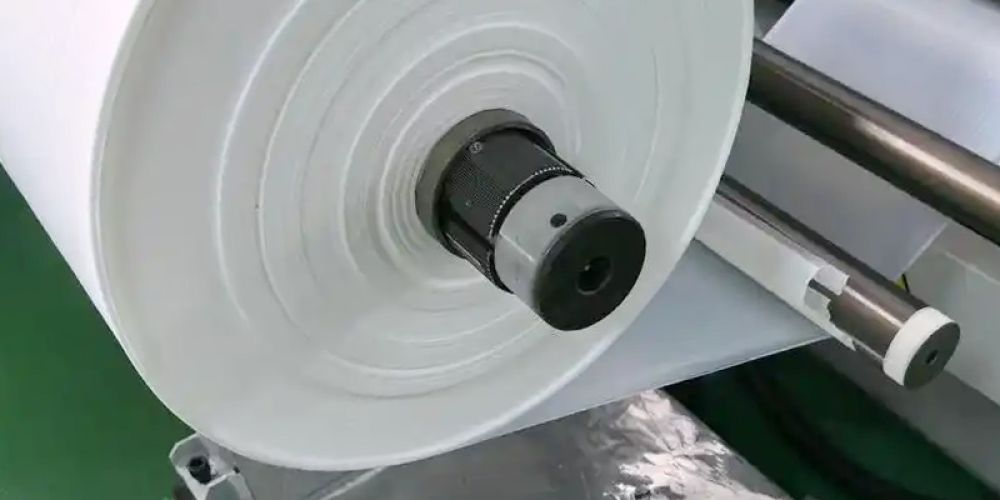
PTFE (polytetrafluoroethylene) film is a high-performance engineering plastic film renowned for its excellent chemical stability, high-temperature…
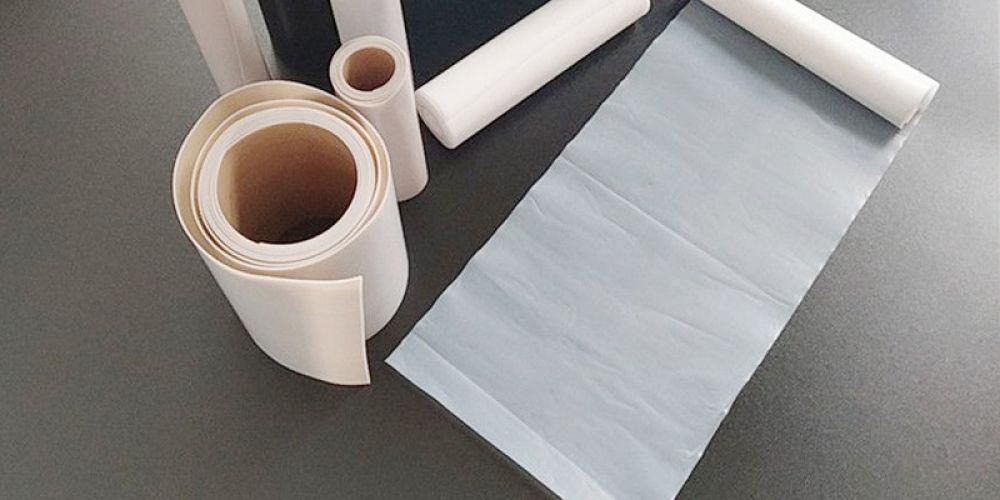
Microporous Structure Porosity exceeds 85%, with 1.4 billion micropores per square centimeter and pore sizes ranging…