
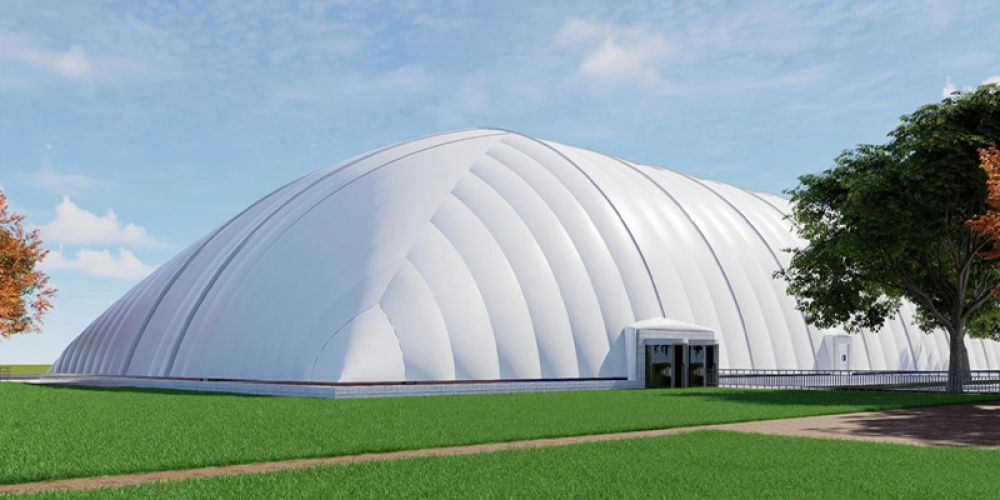
Core System Components
A complete air-supported membrane structure is far more than just a single membrane; it's a complex of multiple sophisticated systems working in tandem:
Membrane Structure System
Materials: Primarily high-strength, weather-resistant PVC-coated polyester fiber fabric or, more advanced, PVDF-coated membrane materials. It possesses tensile strength, tear resistance, flame retardancy, and self-cleaning properties.
Shape: Typically semi-cylindrical or spherical, its optimal structural form distributes stress.
Welds: High-frequency heat sealing is used to create high-strength, double-line sealed welds, with ventilation channels for inspection.
Cable Net System (Optional, but common in large spans)
A mesh structure formed by steel cables arranged on the outside or inside of the membrane. Working in conjunction with the membrane surface, it greatly enhances overall rigidity and stability, suitable for larger spans or areas with high wind and snow loads.
Foundation and Anchoring System
The key to firmly securing the membrane to the ground. This includes continuous concrete beam foundations, anchor bolts, wind-resistant rings, and anchoring clamps, used to resist enormous buoyancy (wind suction) and horizontal forces. Intelligent Electromechanical Systems (The “Heart” and “Brain” of the Building)
Inflation/Fresh Air Units: Continuously supply air to the interior, maintaining stable air pressure. Also responsible for air filtration and temperature regulation, ensuring indoor air quality and comfort.
Sensors and Automatic Control Systems: The air pressure sensor is the core, monitoring the pressure difference between the inside and outside in real time. Wind and snow sensors monitor the external environment. The system automatically adjusts fan operation based on data and can issue alarms or activate emergency plans in extreme weather conditions.
Backup Energy System: Typically equipped with a diesel generator, ensuring uninterrupted operation of the inflation system when the main power supply is interrupted, preventing “collapse.”
Lighting System
Utilizing the high diffuse reflection properties of the membrane material, the interior lighting is uniform, soft, and glare-free. Indoor floodlighting or light pipe daylighting systems can be used, offering energy efficiency.
.jpg)
In the construction field, the heat-sealing production methods for different new membrane materials vary depending on…
.jpg)
In the construction field, the heat-sealing of PVDF membrane materials is mainly achieved through processes such…
.jpg)
Due to its unique molecular structure and excellent overall performance, PVDF (polyvinylidene fluoride) membrane material is…
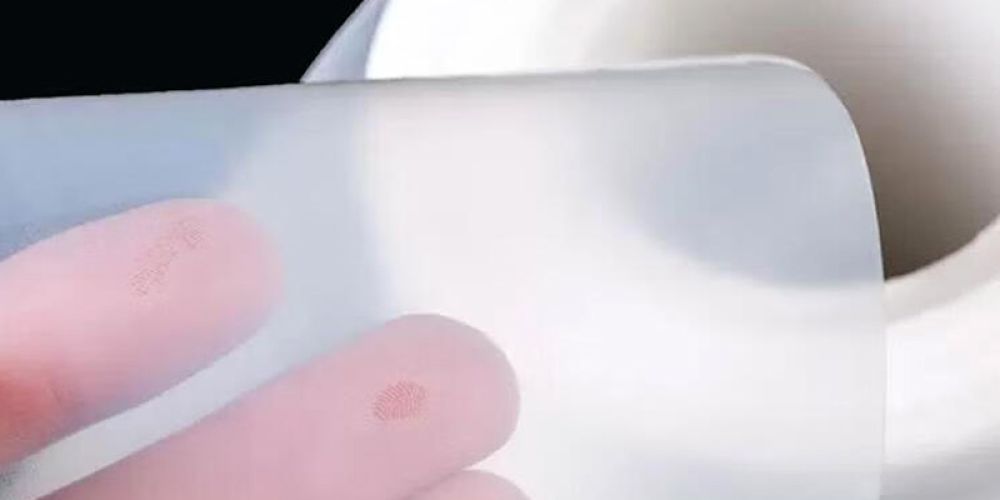
Chemical Inertness: Virtually unreactive with almost all chemical substances; resistant to acids, alkalis, and organic solvents…
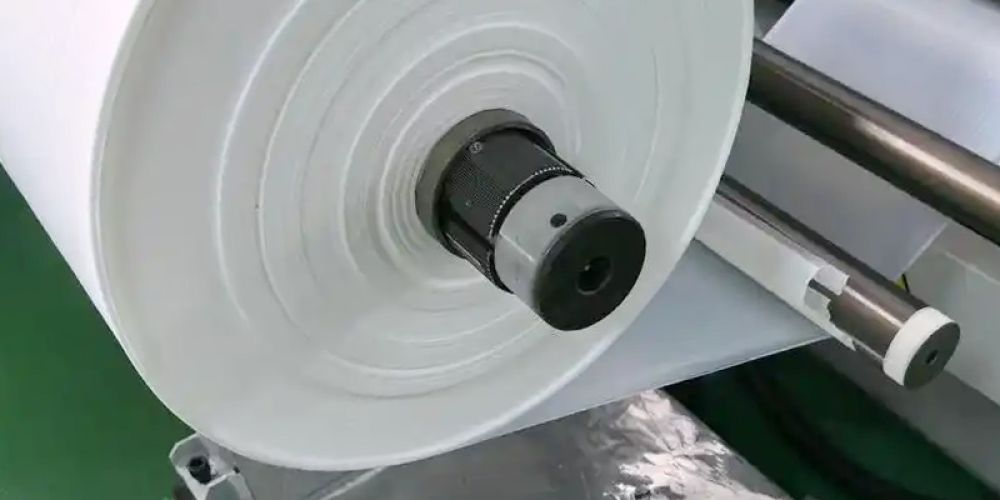
PTFE (polytetrafluoroethylene) film is a high-performance engineering plastic film renowned for its excellent chemical stability, high-temperature…
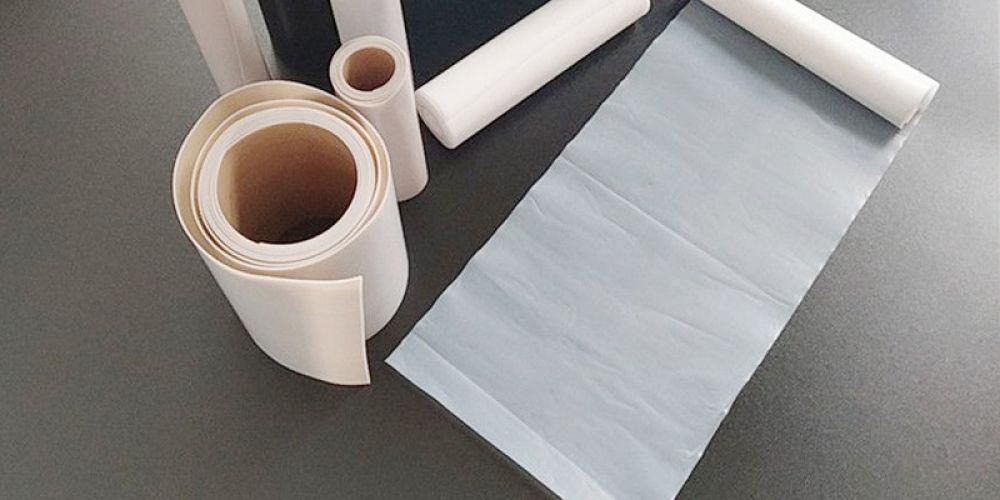
Microporous Structure Porosity exceeds 85%, with 1.4 billion micropores per square centimeter and pore sizes ranging…