
.jpg)
Classification by Core Structural Principle:
Tensioned Membrane Structure
Principle: By applying pretension to the membrane surface, it gains stiffness and resists external loads. This is the most classic and artistically expressive type of membrane structure.
Composition: Membrane material + cables (steel cables) + masts/flying columns/boundary structures. Cables are responsible for force transmission, while masts, etc., serve as fulcrums.
Characteristics: Free-flowing and elegant shapes, full of sculptural beauty and dynamic aesthetics, making it a common choice for landmark buildings.
Common Forms:
Umbrella/Cap-shaped: Supported by a single mast.
Saddle-shaped: A classic hyperboloid with negative Gaussian curvature, offering excellent stability.
Arch-supported: Supported by curved arches as boundary elements.
Frame-type Membrane Structure
Principle: The membrane material covers a self-stabilizing rigid frame (such as a steel mesh shell, truss, or arch). The membrane material itself does not participate in the main load-bearing function, primarily serving an enclosure purpose.
Composition: Rigid frame + membrane material.
Features: Clear structural logic, relatively regular shape, and design and construction are closer to traditional architecture. The introduction of membrane materials greatly reduces roof weight and provides lighting advantages.
Air-supported Membrane Structure
Principle: Relying on the pressure difference between indoors and outdoors (usually slightly higher indoor pressure) to inflate the membrane surface and maintain stability.
Composition: Sealed membrane body + continuous air supply system + anchoring system + airtight doors.
Features: Capable of achieving ultra-large spans, rapid construction, and economical cost. However, continuous energy supply is required to maintain air pressure.
Sub-categories:
Air-supported (single-layer membrane): The most common, such as various sports air-supported domes and enclosed coal yard silos.
Air-ribbed/air-cushioned (multi-layer membrane): Composed of multiple air tubes or air bladders arranged side by side, or embedded as units within a rigid frame.
Cable Dome Structure
Principle: Can be seen as the ultimate development of tensile membrane structures. A "cable net" skeleton is composed of continuous cables and discrete pressure bars, then covered with membrane material. It is a representative of the "full tension system".
Composition: Ridge cable/valley cable + ring cable + compression strut + membrane material.
Characteristics: Extremely high structural efficiency, achieving large spans with minimal material usage, but presents significant design and construction challenges.
.jpg)
In the construction field, the heat-sealing production methods for different new membrane materials vary depending on…
.jpg)
In the construction field, the heat-sealing of PVDF membrane materials is mainly achieved through processes such…
.jpg)
Due to its unique molecular structure and excellent overall performance, PVDF (polyvinylidene fluoride) membrane material is…
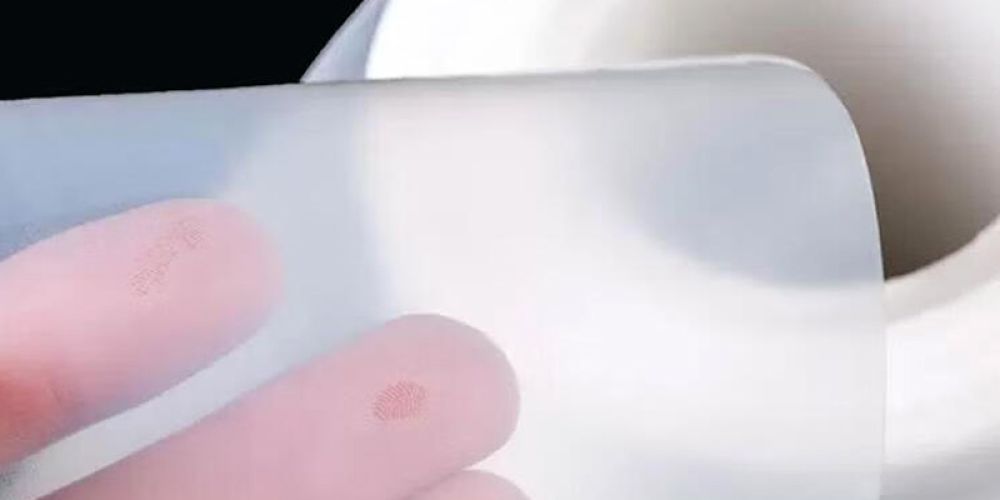
Chemical Inertness: Virtually unreactive with almost all chemical substances; resistant to acids, alkalis, and organic solvents…
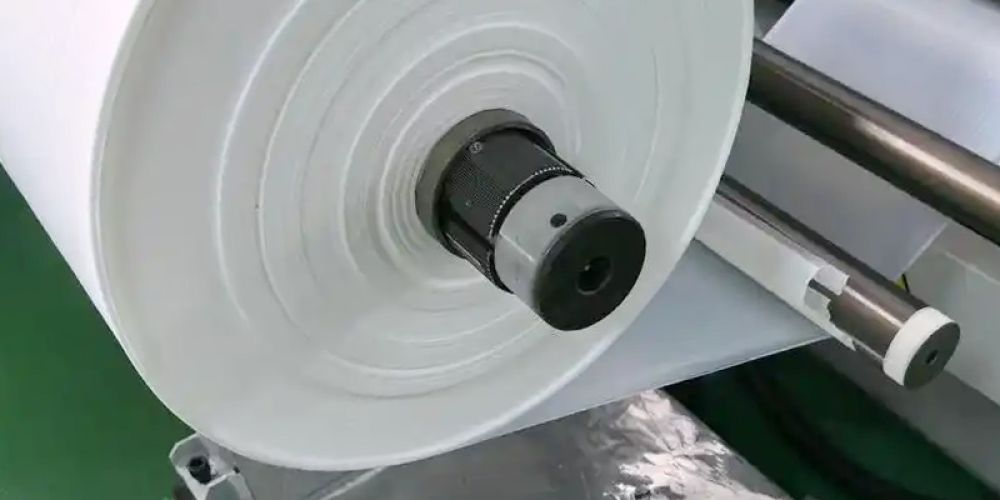
PTFE (polytetrafluoroethylene) film is a high-performance engineering plastic film renowned for its excellent chemical stability, high-temperature…

Microporous Structure Porosity exceeds 85%, with 1.4 billion micropores per square centimeter and pore sizes ranging…