
.jpg)
Classification by Material
Polyester Film (PET)
Characteristics: High strength, tear resistance, chemical corrosion resistance, adjustable light transmission (from transparent to translucent), and surface coating compatibility.
Applications: Commonly used in architectural window films (e.g., heat insulation films, explosion-proof films), sunshade substrate materials, and decorative films.
Polyvinyl Chloride Film (PVC)
Characteristics: Excellent flexibility, strong weather resistance, adjustable hardness via plasticizers, and printable surfaces.
Applications: Widely used in tensile membrane structures (e.g., stadium roofs), advertising lightboxes, and temporary architectural sunshades.
Polytetrafluoroethylene Film (PTFE, Teflon)
Characteristics: High temperature resistance, corrosion resistance, self-cleaning properties, high light transmission (up to 85% or higher), and a lifespan exceeding 25 years.
Applications: High-end architectural membrane structures (e.g., airport terminals, large stadium roofs) and skylight systems.
Ethylene Tetrafluoroethylene Copolymer Film (ETFE)
Characteristics: Lightweight and transparent (only 1% the density of glass), UV resistance, self-cleaning properties, and recyclability.
Applications: Large-scale public buildings (e.g., the "Water Cube" National Aquatics Center), greenhouses, and landscape canopies.
.jpg)
In the construction field, the heat-sealing production methods for different new membrane materials vary depending on…
.jpg)
In the construction field, the heat-sealing of PVDF membrane materials is mainly achieved through processes such…
.jpg)
Due to its unique molecular structure and excellent overall performance, PVDF (polyvinylidene fluoride) membrane material is…
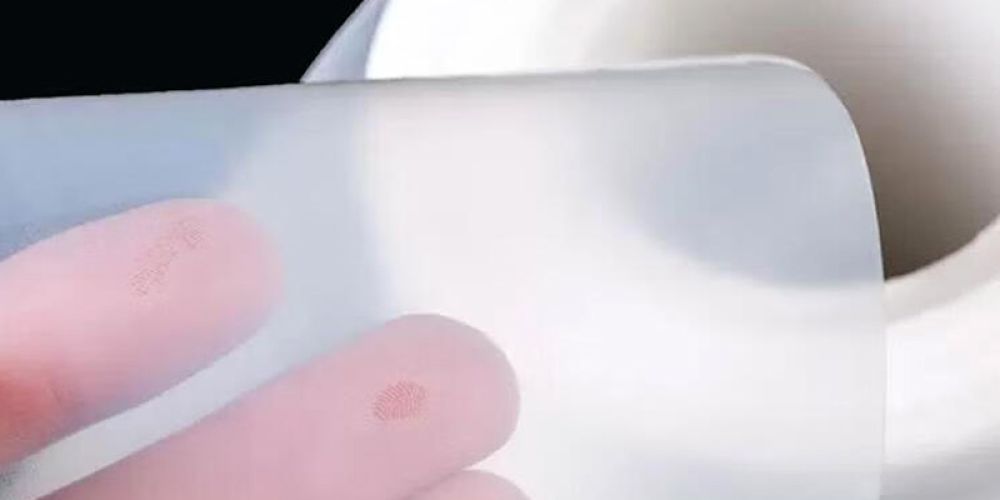
Chemical Inertness: Virtually unreactive with almost all chemical substances; resistant to acids, alkalis, and organic solvents…
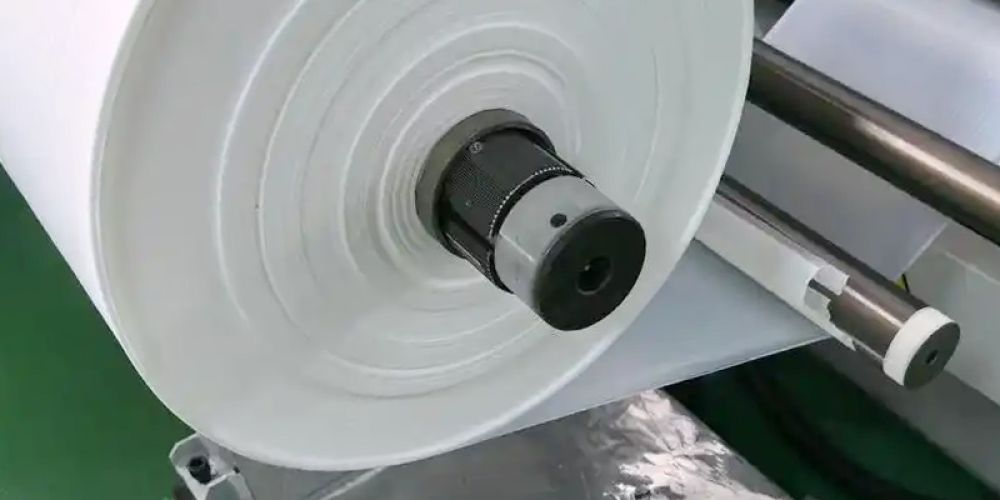
PTFE (polytetrafluoroethylene) film is a high-performance engineering plastic film renowned for its excellent chemical stability, high-temperature…
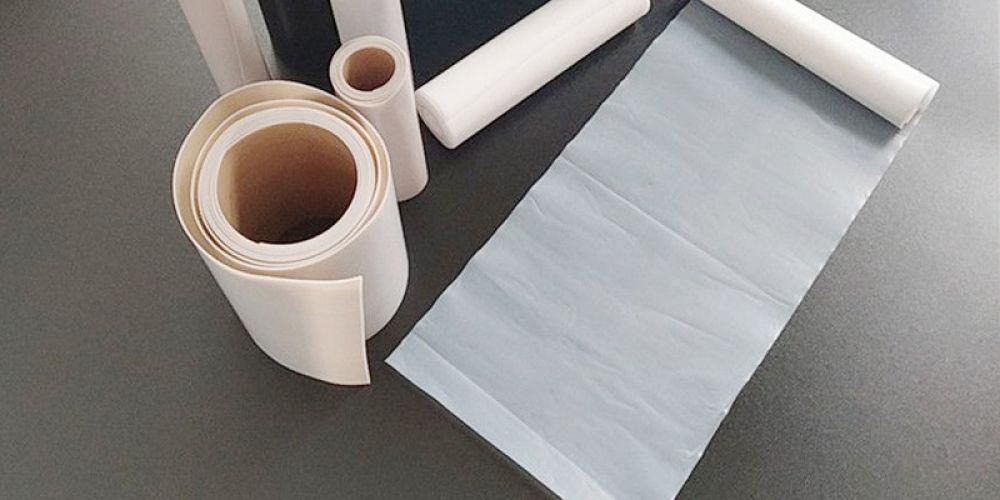
Microporous Structure Porosity exceeds 85%, with 1.4 billion micropores per square centimeter and pore sizes ranging…