
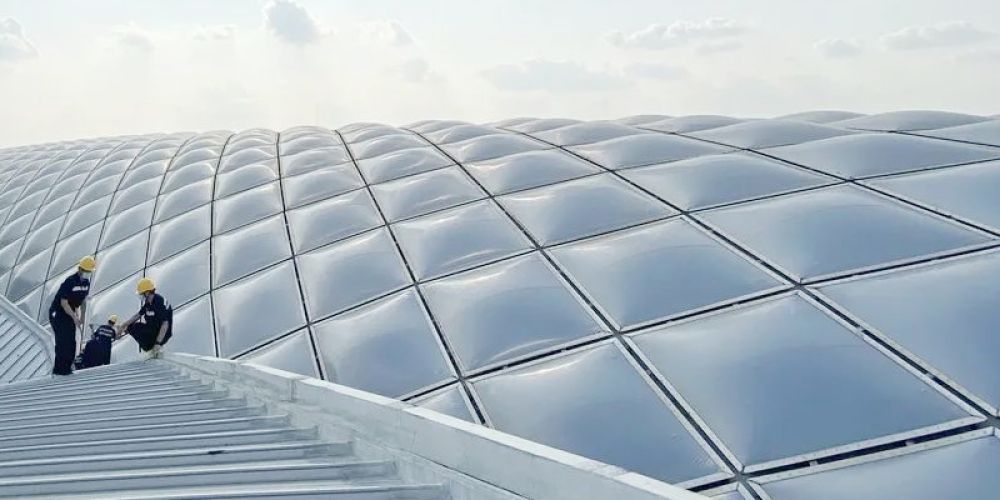
In the architectural field, ETFE membrane materials are widely used in the following areas due to their lightweight, high light transmittance, strong weather resistance, and good plasticity:
I. Large-Span Public Buildings
Sports Venues
Roof Design: Due to its lightweight and transparent properties, ETFE membrane materials are commonly used for the roofs of sports venues, such as the National Speed Skating Oval "Ice Ribbon" at the Beijing Winter Olympics, the London Stadium "London Bowl" at the London Olympics, and the Mercedes-Benz Arena in Atlanta. These venues achieve column-free, large spaces using ETFE membrane materials, while utilizing the membrane's light transmittance to regulate indoor light and reduce lighting energy consumption.
Facade Applications: ETFE membrane materials can be used in the facade design of sports venues. For example, the facade of the Dalian Suoyu Bay Football Stadium consists of an ETFE cable-membrane structure and a surrounding cable-membrane floodlighting system, which not only reflects the city's culture but also enhances visual appeal.
Grandstand Design: In grandstand design, ETFE membrane materials are mainly used for sun shading and rain protection. Its transparency ensures unobstructed views for spectators while providing protective functions. For example, the ETFE roof of the Mercedes-Benz Arena can be electrically opened and closed to flexibly adapt to different weather conditions.
Airport Terminals and Convention Centers
ETFE membrane materials can be used for the roofs or curtain walls of airport terminals and convention centers to achieve large-span, unsupported structures while providing ample natural light. For example, certain areas of Shanghai Hongqiao International Airport use ETFE membrane materials to enhance the transparency and energy efficiency of the space.
II. Commercial Landmarks and Cultural Buildings
Shopping Mall Domes and Pedestrian Street Canopies
ETFE membrane materials can be used for the domes of shopping malls or the canopies of pedestrian streets. Through colored or printed membranes, dynamic visual effects are created, enhancing the attractiveness of commercial spaces. For example, the canopy of Shanghai Global Harbor uses ETFE membrane materials, combined with lighting design, to create a dazzling nighttime landscape.
The three individual canopy canopies of Huizhou Zhonghai Plaza's Huanyu Tiandi all use ETFE air-cushion membrane structures. The combination of silver-plated dots and transparent membrane materials provides ample natural light during the day and becomes a city highlight at night when illuminated.
Cultural Centers and Art Venues
ETFE membrane materials can be used for the roofs or curtain walls of cultural centers, museums, art galleries, and other buildings, combining with architects' creative designs to achieve unique artistic effects. For example, the Foshan Nanhai Art Center uses an ETFE membrane structure, perfectly integrating with the architectural space and enhancing both artistry and practicality.
III. Transportation Facilities
Subway/Light Rail Station Canopies
ETFE membrane materials, due to their wind resistance and aging resistance, are suitable for subway or light rail station canopies. Their modular design facilitates rapid installation, and their service life can reach 20-30 years, making them suitable for high-frequency outdoor use.
High-Speed Railway Stations
ETFE membrane materials can be used for the roof or facade design of high-speed railway stations. For example, the Suizhou High-Speed Railway Station in Hubei Province uses German NOWOFOL golden ETFE membrane materials, with a design concept of "Millennial Ginkgo Valley," creating a warm interior environment and being rated as one of China's top ten most beautiful high-speed railway stations.
IV. Ecological and Environmentally Friendly Buildings
Ecological Greenhouses and Botanical Gardens
ETFE membrane material boasts a light transmittance of up to 90%, approaching that of glass, allowing for precise control of temperature and humidity within the greenhouse. This makes it suitable for specialized cultivation of tropical plants, succulents, and other similar plants. For example, the greenhouse at Shanghai Chenshan Botanical Garden utilizes ETFE membrane material, providing an ideal growing environment for plants.
The Eden Project in the UK is a classic example of ETFE membrane material used in ecological greenhouses. Its double-layer ETFE membrane structure not only provides ample natural light but also achieves excellent thermal insulation through the air layer.
Wastewater Treatment Plant Covers
ETFE membrane material is resistant to acid and alkali corrosion and can be used in the design of covers for wastewater treatment plants to prevent the spread of odors. Simultaneously, its light transmittance does not affect the photosynthesis of algae within the treatment plant (some wastewater treatment processes require the use of algae).
.jpg)
In the construction field, the heat-sealing production methods for different new membrane materials vary depending on…
.jpg)
In the construction field, the heat-sealing of PVDF membrane materials is mainly achieved through processes such…
.jpg)
Due to its unique molecular structure and excellent overall performance, PVDF (polyvinylidene fluoride) membrane material is…
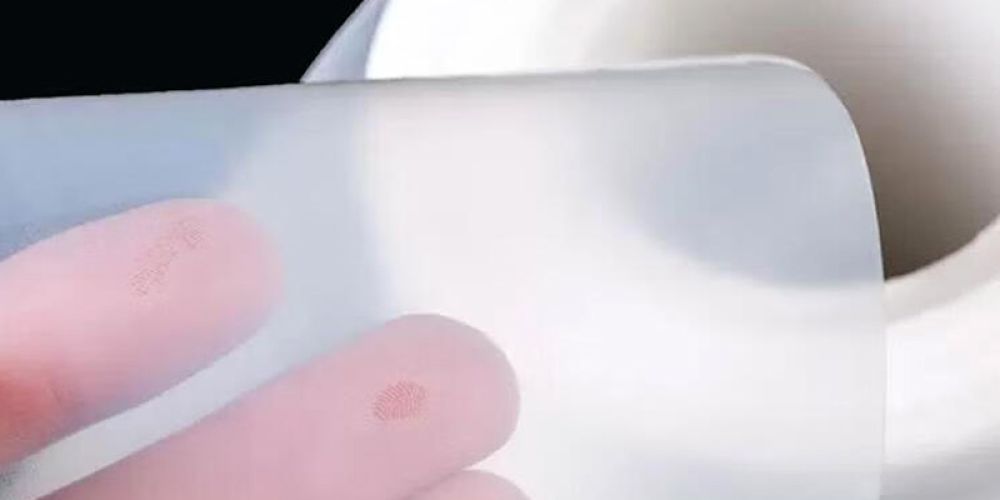
Chemical Inertness: Virtually unreactive with almost all chemical substances; resistant to acids, alkalis, and organic solvents…
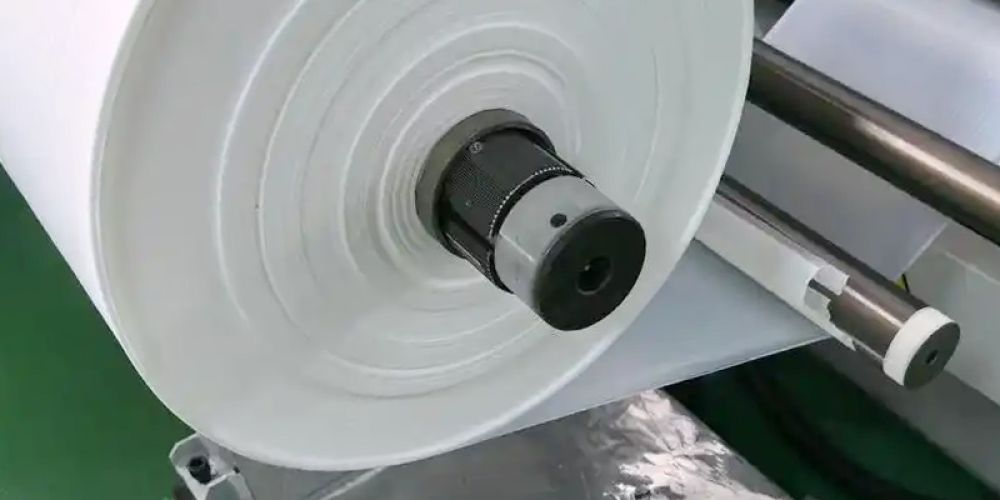
PTFE (polytetrafluoroethylene) film is a high-performance engineering plastic film renowned for its excellent chemical stability, high-temperature…
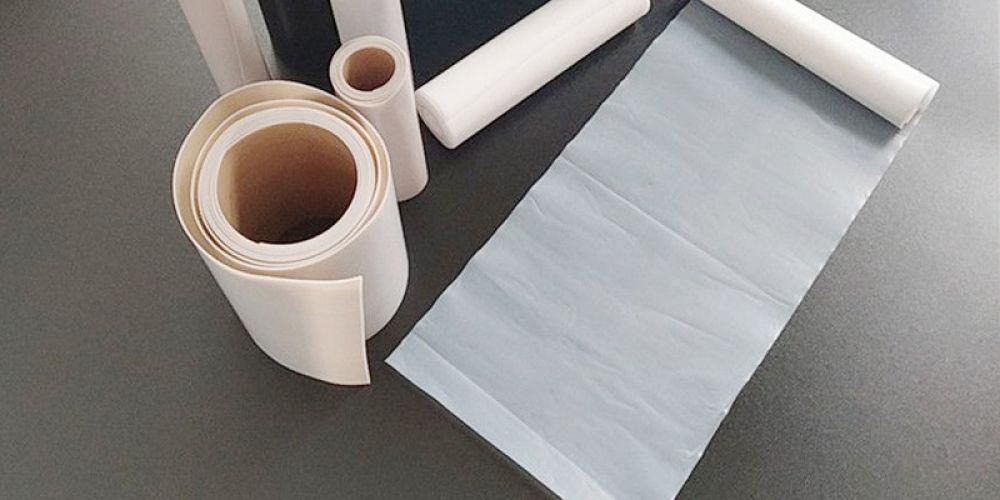
Microporous Structure Porosity exceeds 85%, with 1.4 billion micropores per square centimeter and pore sizes ranging…