
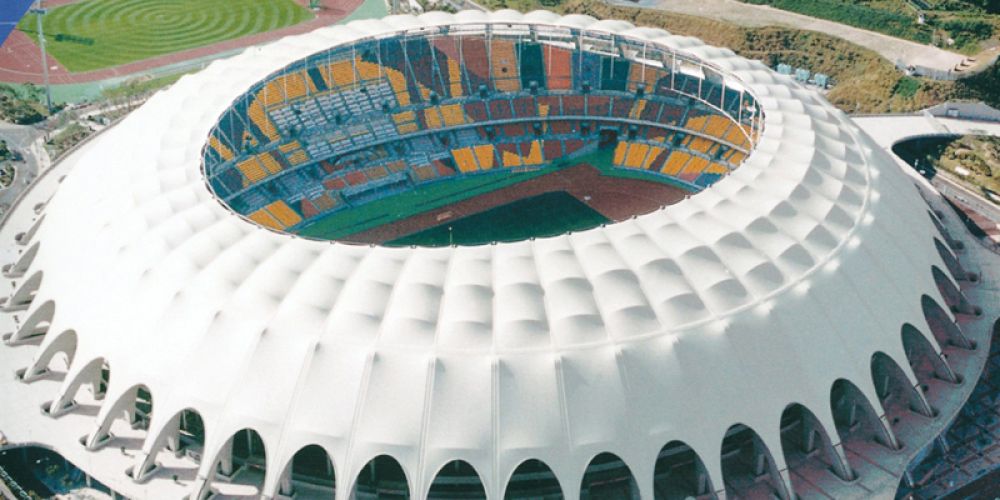
Large-scale stadium membrane structures are architectural structures formed by combining high-strength membrane materials with a support system, widely used in modern sports stadium construction. Their core characteristics include:
I. Core Advantages
* **Large-span, column-free space:** Membrane structures are lightweight (only 1/10 the weight of traditional materials), enabling spans exceeding 200 meters. For example, the Al Thumama Stadium at the Qatar World Cup used a PTFE membrane covering 45,000 square meters, reducing internal support by 80%.
* **Environmental adaptability:** Adjustable light transmittance from 15% to 90%, allowing for 80% energy savings through natural daytime lighting.
* **Wind and snow resistance, fireproofing.**
* **Self-cleaning coating reduces maintenance costs by 60%.**
II. Technology Types
* **Air-supported membrane structure:** Maintains its shape through air pressure difference. For example, the Zhongcheng Space Air-supported Membrane Stadium uses double-layer air cushion insulation technology, resulting in significant energy savings.
* **Tensioned membrane structure:** Like the Qingdao Yizhong Stadium, composed of 60 conical membrane units with a 40-meter cantilever.
ETFE membrane structure: The Water Cube uses a 100,000㎡ double-layer air cushion, offering high light transmittance and a unique design.
III. Typical Applications
International Events: The Shanghai Qizhong Tennis Center uses a PTFE membrane roof to meet the wind and rain protection requirements of ATP events.
School Sports: Air-supported membrane stadiums provide safe and energy-efficient sports spaces.
Multi-functional Venues: Suitable for basketball, swimming, exhibitions, and other scenarios.
.jpg)
In the construction field, the heat-sealing production methods for different new membrane materials vary depending on…
.jpg)
In the construction field, the heat-sealing of PVDF membrane materials is mainly achieved through processes such…
.jpg)
Due to its unique molecular structure and excellent overall performance, PVDF (polyvinylidene fluoride) membrane material is…
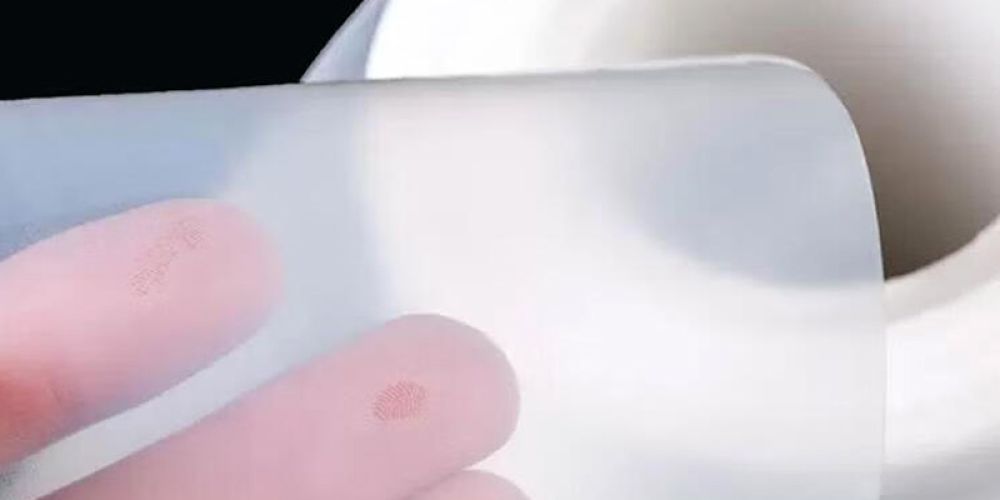
Chemical Inertness: Virtually unreactive with almost all chemical substances; resistant to acids, alkalis, and organic solvents…
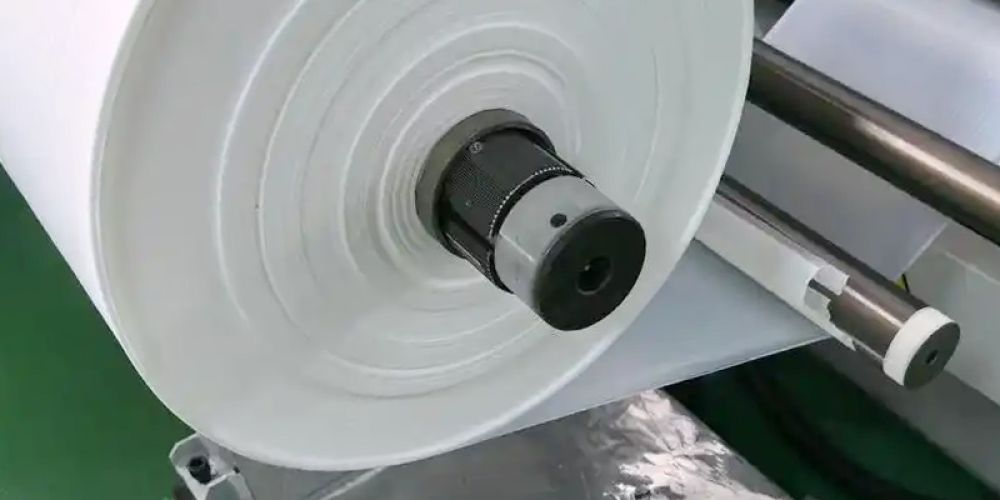
PTFE (polytetrafluoroethylene) film is a high-performance engineering plastic film renowned for its excellent chemical stability, high-temperature…
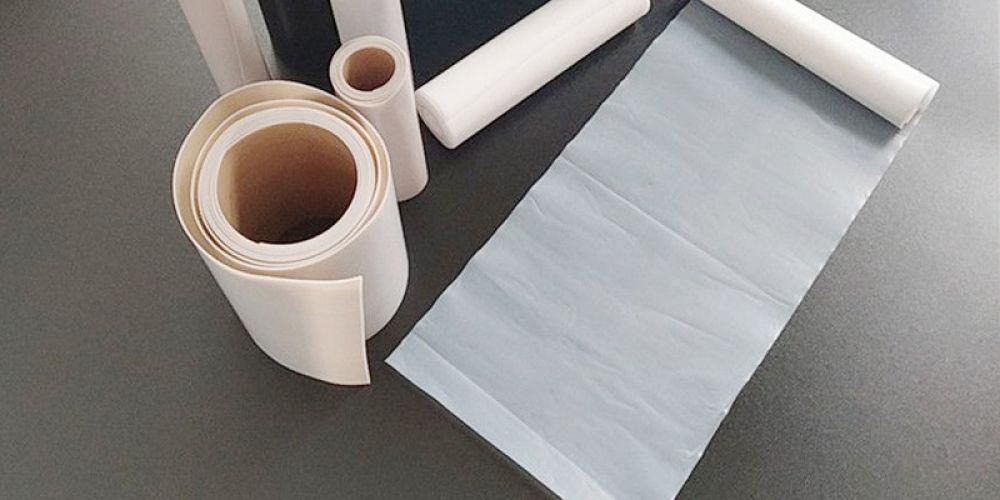
Microporous Structure Porosity exceeds 85%, with 1.4 billion micropores per square centimeter and pore sizes ranging…