
.jpg)
ETFE (ethylene-tetrafluoroethylene copolymer), known as "soft glass," is a high-performance, transparent fluoroplastic film material widely used in large-span buildings, eco-venues, and photovoltaic encapsulation.
Key Advantages of ETFE Film Material
**Superior Light Transmittance:** ETFE film boasts a light transmittance of up to 95%, approaching that of glass, and effectively transmits ultraviolet light, promoting indoor plant growth. It is particularly suitable for botanical gardens, greenhouses, and eco-buildings. Surface printing technology allows for adjustable transparency up to 50%, enabling flexible control of shading and lighting.
**Extremely Lightweight, Reducing Structural Burden:** Weighing only 0.15–0.35 kg per square meter, approximately 1% of the weight of glass of the same area, it significantly reduces the requirements for supporting structures, enabling large-span, column-free spaces and saving on steel and foundation costs.
**Excellent Weather Resistance and Ultra-Long Lifespan:** It can withstand long-term exposure to extreme environments, exhibiting strong resistance to ultraviolet radiation, acid rain, and aging. Its lifespan can reach 25–35 years, maintaining stable performance even after accelerated aging tests.
Highly self-cleaning and low maintenance costs: The surface has anti-adhesion properties, making it difficult for dust to adhere. Rainwater can typically wash it clean, with a cleaning cycle of approximately 5 years, significantly reducing operation and maintenance costs.
Environmentally friendly and recyclable: The material can be thermally melted and recycled into new membrane materials or other ETFE products, aligning with sustainable development principles.
Excellent fire resistance and safety performance: It has a fire rating of B1, does not drip or produce flammable droplets when burning, and produces low-toxicity smoke, ensuring high safety.
High design flexibility: It can be made into an air-cushion structure, allowing for control of light transmission and thermal insulation performance by adjusting the inflation volume, achieving a dynamic building skin. For example, the "Water Cube" uses over 3000 ETFE bubble units to form a dynamic facade.
.jpg)
In the construction field, the heat-sealing production methods for different new membrane materials vary depending on…
.jpg)
In the construction field, the heat-sealing of PVDF membrane materials is mainly achieved through processes such…
.jpg)
Due to its unique molecular structure and excellent overall performance, PVDF (polyvinylidene fluoride) membrane material is…
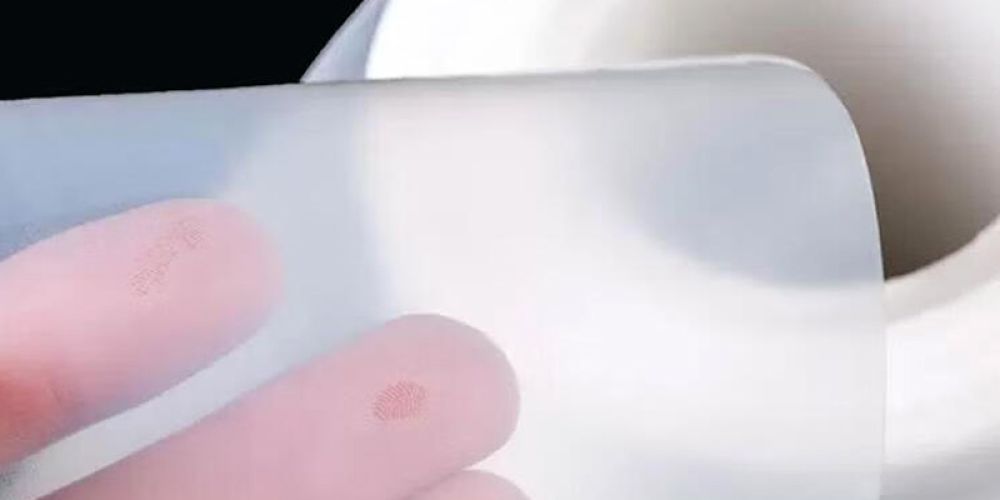
Chemical Inertness: Virtually unreactive with almost all chemical substances; resistant to acids, alkalis, and organic solvents…
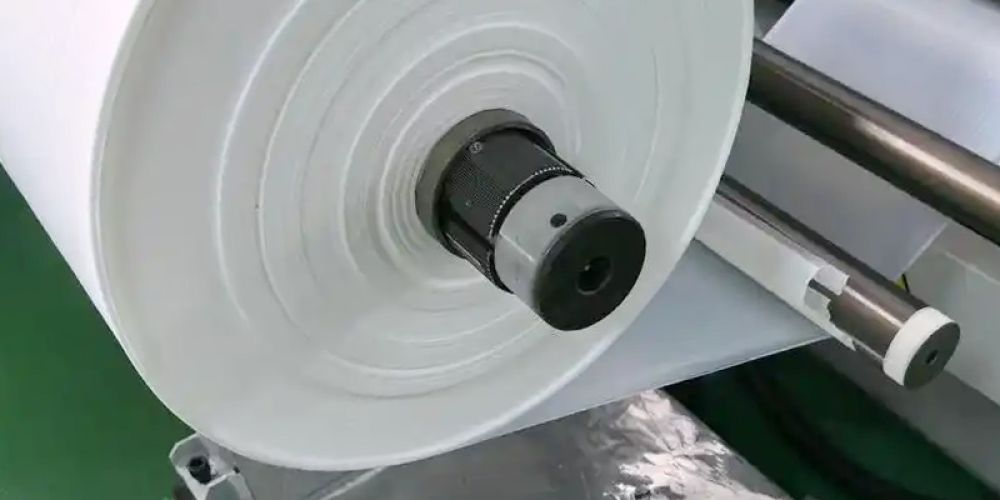
PTFE (polytetrafluoroethylene) film is a high-performance engineering plastic film renowned for its excellent chemical stability, high-temperature…
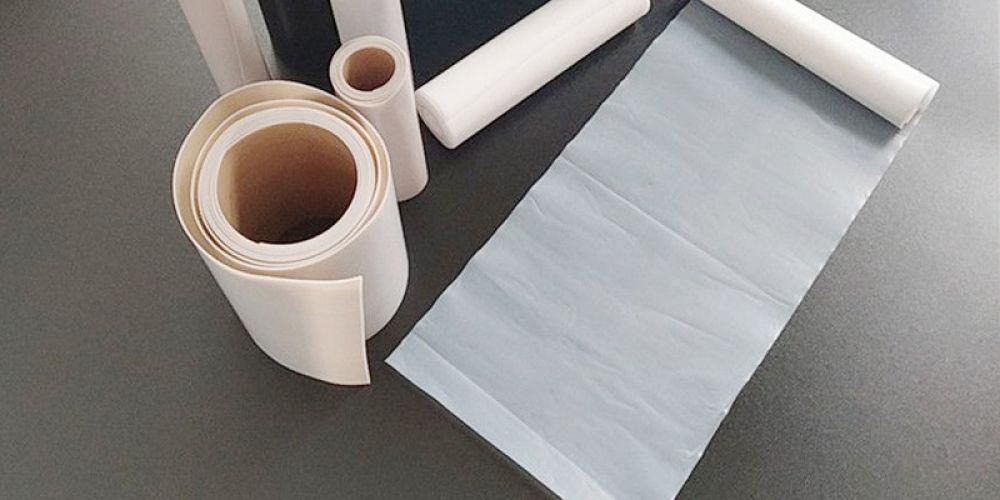
Microporous Structure Porosity exceeds 85%, with 1.4 billion micropores per square centimeter and pore sizes ranging…