
.jpg)
High-frequency heat sealing machines (RF welding machines) exhibit unique advantages in the membrane architecture field due to their non-contact heating, efficient sealing, and adaptability to complex structures. Membrane architecture uses high-performance membrane materials (such as PTFE, ETFE, and PVC/PVDF coated fabrics) as its core, forming lightweight, large-span spatial structures through tensioning or inflation. It is widely used in stadiums, convention centers, transportation hubs, and environmental protection facilities. The following analysis focuses on application scenarios:
Core Application Scenarios of High-Frequency Heat Sealing Machines in Membrane Architecture
1. Membrane Material Splicing and Edge Sealing
Pain Points: The width of a single roll of membrane material is limited (typically 3-5 meters), requiring welding to splice it into a large-area covering layer (e.g., stadium roofs with spans exceeding 100 meters).
Edges need to be sealed to prevent rainwater infiltration and air leakage (e.g., the pressure stability of inflatable membrane structures depends on airtightness).
Advantages of High-Frequency Welding:
* **Melting Uniformity:** The high-frequency electromagnetic field causes polar molecules in the membrane material (e.g., chlorine atoms in the PVC coating) to generate heat evenly through friction, avoiding localized overheating that could lead to membrane degradation.
High welding strength: The strength of the welded joint can reach 80%-90% of the base material (e.g., PTFE membrane welding strength >150N/15mm), meeting the requirements of EN 13782 "Safety Standard for Membrane Structures".
Excellent airtightness: The leakage rate of the weld seam can be controlled below 10⁻⁴ Pa·m³/s, meeting the continuous pressure requirements of 0.3-0.5kPa for inflatable membrane structures.
Typical cases: The National Speed Skating Oval "Ice Ribbon": Using ETFE membrane material splicing, high-frequency welding achieves glue-free sealing of the 22,000 square meter roof, with a light transmittance of over 40%.
Shanghai Expo Axis Sun Valley: PVC/PVDF membrane material is used to form 6 conical structures through high-frequency welding, increasing welding efficiency by 3 times compared to traditional hot air guns.
2. Welding of Irregular Structures
Pain points: Membrane buildings often use complex shapes such as hyperboloids and freeform surfaces (e.g., the Lusail Stadium in Qatar), and traditional welding processes are difficult to adapt to curve variations.
High-frequency welding advantages:
* Flexible heating head: Customizable silicone or ceramic heating heads allow for uniform pressure distribution by conforming to curved surfaces (e.g., one-time welding of a 50cm radius arc).
* Real-time temperature control: Infrared sensors monitor welding temperature to prevent overheating or underheating at curved surfaces (temperature fluctuation ±2℃).
**Typical case:** Gardens by the Bay, Singapore: The wavy facade of the ETFE membrane material is welded using high-frequency welding at a speed of 8m/min, 10 times more efficient than manual welding.
3. Connection between membrane material and metal components
* Pain points:** Membrane materials need to be fixed to metal components such as aluminum profiles and steel cables. Traditional adhesive bonding or mechanical pressing can easily lead to stress concentration.
High-frequency welding advantages:
* Localized heating: Only the membrane coating is melted, avoiding thermal deformation of metal components (e.g., aluminum profile temperature is controlled below 60℃).
* Non-destructive connection: After welding, the membrane material and metal interface form a molecular-level bond with a peel strength >50N/15mm. Typical Case: Beijing Daxing International Airport Terminal: The connection between PVC membrane material and aluminum alloy nodes adopts high-frequency welding, which meets the 10-year weather resistance requirement and reduces maintenance costs by 40%.
.jpg)
In the construction field, the heat-sealing production methods for different new membrane materials vary depending on…
.jpg)
In the construction field, the heat-sealing of PVDF membrane materials is mainly achieved through processes such…
.jpg)
Due to its unique molecular structure and excellent overall performance, PVDF (polyvinylidene fluoride) membrane material is…
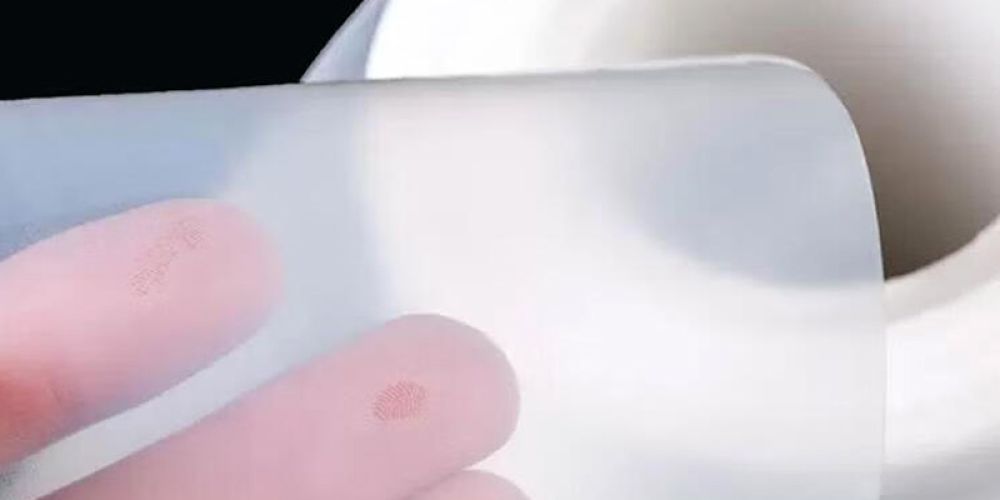
Chemical Inertness: Virtually unreactive with almost all chemical substances; resistant to acids, alkalis, and organic solvents…
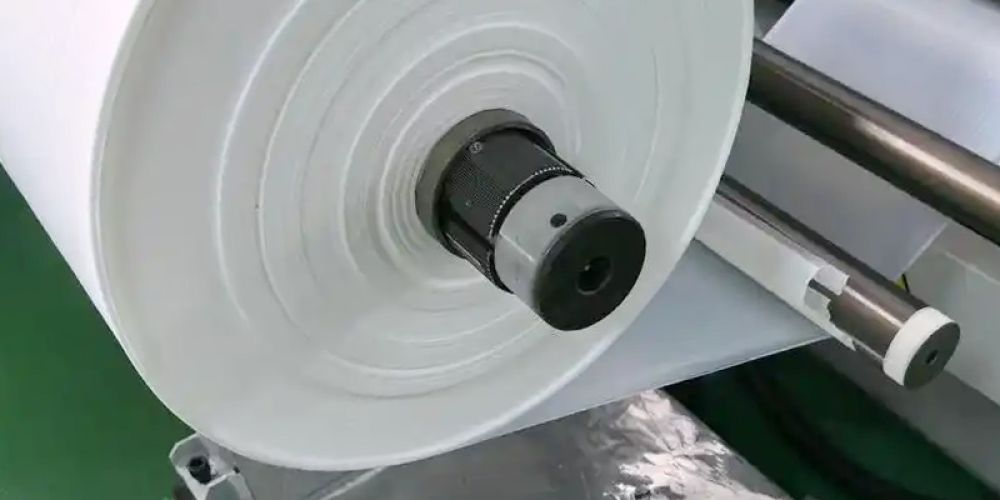
PTFE (polytetrafluoroethylene) film is a high-performance engineering plastic film renowned for its excellent chemical stability, high-temperature…
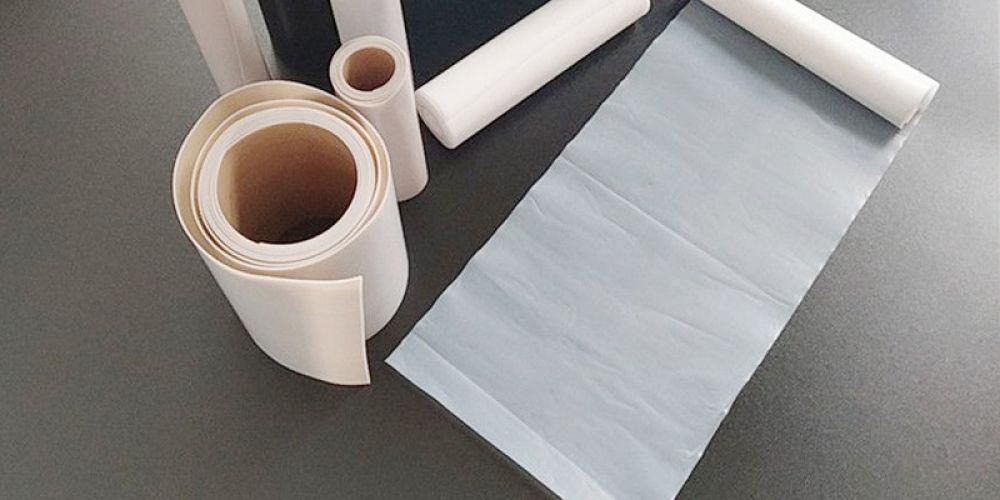
Microporous Structure Porosity exceeds 85%, with 1.4 billion micropores per square centimeter and pore sizes ranging…