
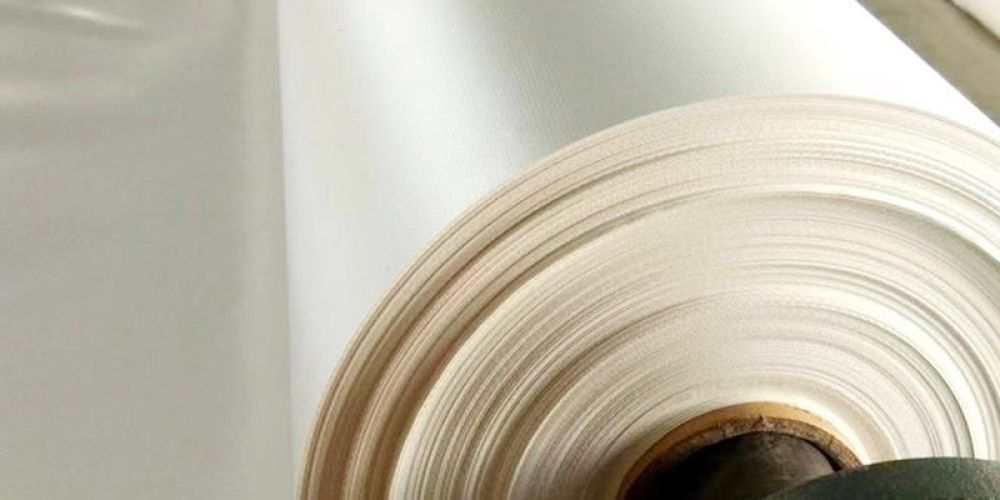
Membrane materials commonly used in membrane structures are mainly divided into three categories, each with its unique properties and applicable scenarios. The following is a detailed introduction:
I. Main Classifications and Characteristics
1. PTFE Membrane Material (Polytetrafluoroethylene)
Structure: Typically, it consists of a fiberglass base cloth + PTFE (Teflon) coating.
Core Characteristics:
Excellent Durability: The first choice for permanent buildings, with a service life of over 25 years.
Superior Self-Cleaning Properties: The coating is non-stick, and dust and dirt can be naturally washed away by rainwater.
Fire Resistance: Class A non-combustible material, meeting the highest fire protection requirements.
High Chemical Stability: Strong resistance to corrosion, acids, alkalis, and ultraviolet rays.
Light Transmittance: Light transmittance is approximately 10-20%, providing soft, natural diffused light.
Disadvantages: Expensive, relatively rigid material, poor foldability, requires special care during transportation and installation.
Classic Applications: Permanent landmark buildings such as large stadiums, airport terminals, and exhibition centers.
2. PVC Membrane Material (Polyvinyl Chloride)
Structure: Polyester fiber base fabric + PVC coating + surface treatment with PVDF or PVF, etc.
Key Features:
Economical: Most affordable and widely used.
Flexible and Easy to Process: Lightweight, foldable, and easy to install.
Rich Colors: Available in various colors to meet landscaping needs.
Medium Lifespan: With high-quality surface treatment, the lifespan can reach 10-15 years.
Disadvantages:
Moderate Self-Cleaning: Although improved by the PVDF (Polyvinylidene Fluoride) surface layer, it is still inferior to PTFE.
Poor Weather Resistance: Over time, some plasticizers may leach out, leading to coating aging, dirt accumulation, and brittleness.
Environmentally Friendly: Some products may contain chlorine; careful disposal is required.
Applications: Sports stands, parking lots, sunshade landscape features, commercial pedestrian streets, small and medium-sized venues, etc.
Typical examples: Various residential landscape membranes, shopping mall entrance awnings, temporary exhibition facilities.
3. ETFE Membrane Material (Ethylene-Tetrafluoroethylene Copolymer)
Structure: Non-woven membrane material, made directly from ETFE raw materials.
Core Features:
Excellent Light Transmittance: Up to 95% light transmittance, with soft light.
Superior Durability: Extremely weather-resistant, with a service life of over 25 years.
Extremely Lightweight: Only 1% the weight of glass of the same area, significantly reducing structural load.
Good Self-Cleaning Properties: Very smooth surface, easily cleaned by rainwater.
Highly Flexible: Can be processed into air cushion form, and thermal performance can be controlled by inflation.
Disadvantages: Expensive; as a single membrane, its load-bearing and tear resistance are limited (but the air cushion form has very high strength); extremely high requirements for construction technology.
Applications: Modern buildings, ecological buildings, greenhouses with extremely high requirements for lighting.
Typical Example: National Aquatics Center (Water Cube).
.jpg)
In the construction field, the heat-sealing production methods for different new membrane materials vary depending on…
.jpg)
In the construction field, the heat-sealing of PVDF membrane materials is mainly achieved through processes such…
.jpg)
Due to its unique molecular structure and excellent overall performance, PVDF (polyvinylidene fluoride) membrane material is…
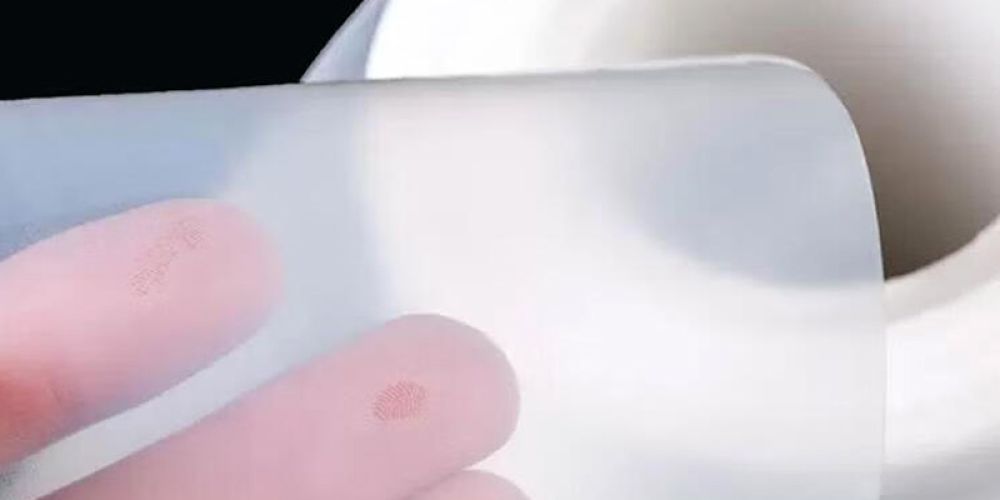
Chemical Inertness: Virtually unreactive with almost all chemical substances; resistant to acids, alkalis, and organic solvents…
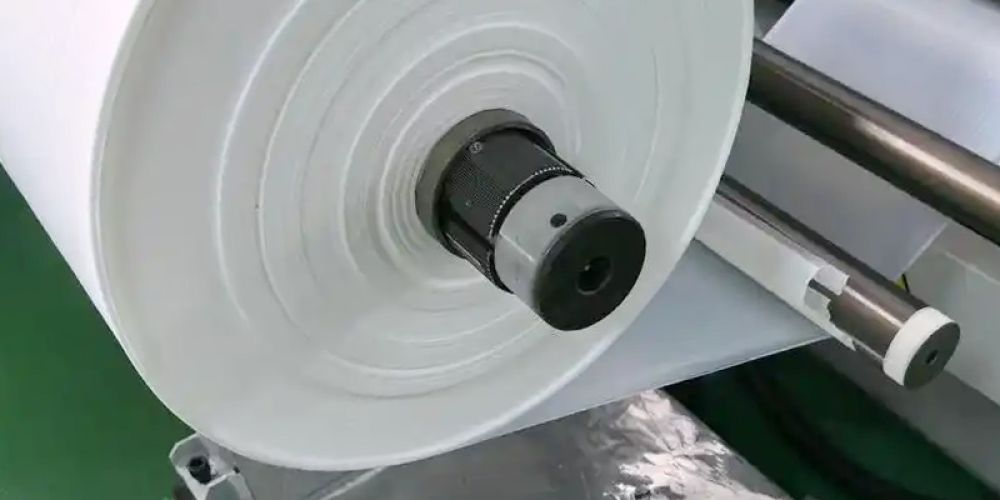
PTFE (polytetrafluoroethylene) film is a high-performance engineering plastic film renowned for its excellent chemical stability, high-temperature…
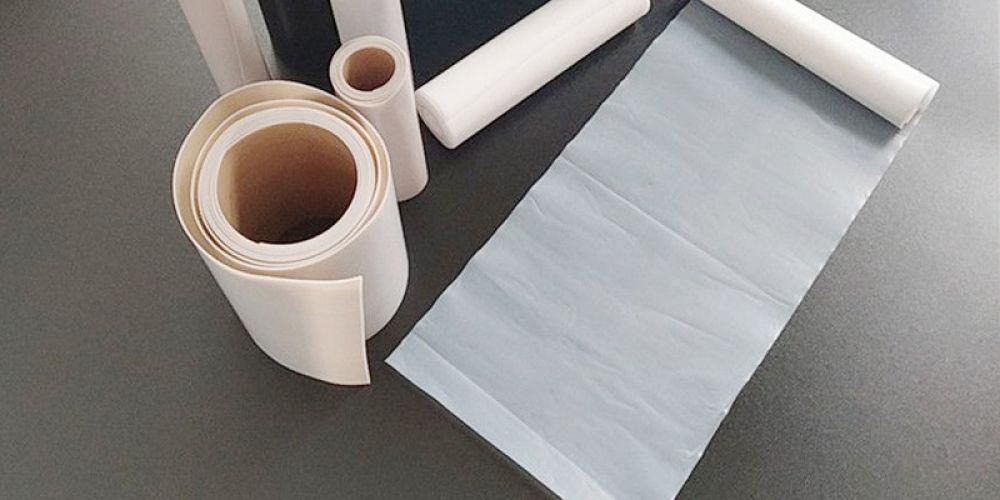
Microporous Structure Porosity exceeds 85%, with 1.4 billion micropores per square centimeter and pore sizes ranging…