
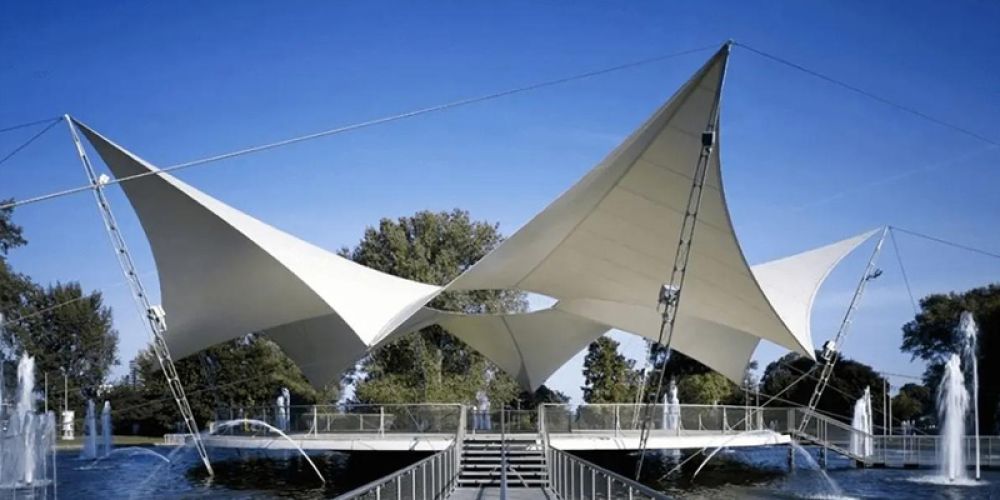
Tensed membrane structures, also known as stretched membrane structures, are essentially formed by stretching a flexible membrane surface into shape through prestressing. Their main advantages are as follows:
Freedom of form, full of tension and dynamism: This is its most significant aesthetic advantage. Under the tension of cables and boundaries, the flexible membrane material can form rich three-dimensional curved surfaces, creating a light, flowing visual impact that is difficult for traditional rigid buildings to achieve, making it highly iconic.
Lightweight and efficient, enabling large spans: The membrane material is extremely lightweight (only 1-3 kg per square meter), placing a small load on the supporting structure. Through reasonable prestressing, a "structural shell" is formed, which can efficiently bear external loads, thus achieving economical and elegant ultra-large span spaces, covering facilities such as stadiums and airports.
Excellent natural lighting and energy efficiency: Most membrane materials have good light transmittance (PTFE membranes have approximately 10-20% light transmittance, ETFE even higher), allowing the use of diffused natural light during the day, saving on lighting energy consumption. The membrane material has high light reflectivity and low heat absorption; combined with a reasonable shape, it can also promote ventilation and reduce heat load.
Quick construction, movable and reusable: Major components (membrane, cables, steel structure) can be prefabricated in the factory, allowing for rapid on-site installation. Some types of membrane structures have the potential to be disassembled and reused, offering high flexibility.
Self-cleaning and durable: High-performance membrane materials (such as PTFE and coated PVC) have smooth surfaces that can be kept clean by rainwater. The materials themselves have excellent UV resistance and corrosion resistance, with a theoretical lifespan of over 25 years.
.jpg)
In the construction field, the heat-sealing production methods for different new membrane materials vary depending on…
.jpg)
In the construction field, the heat-sealing of PVDF membrane materials is mainly achieved through processes such…
.jpg)
Due to its unique molecular structure and excellent overall performance, PVDF (polyvinylidene fluoride) membrane material is…
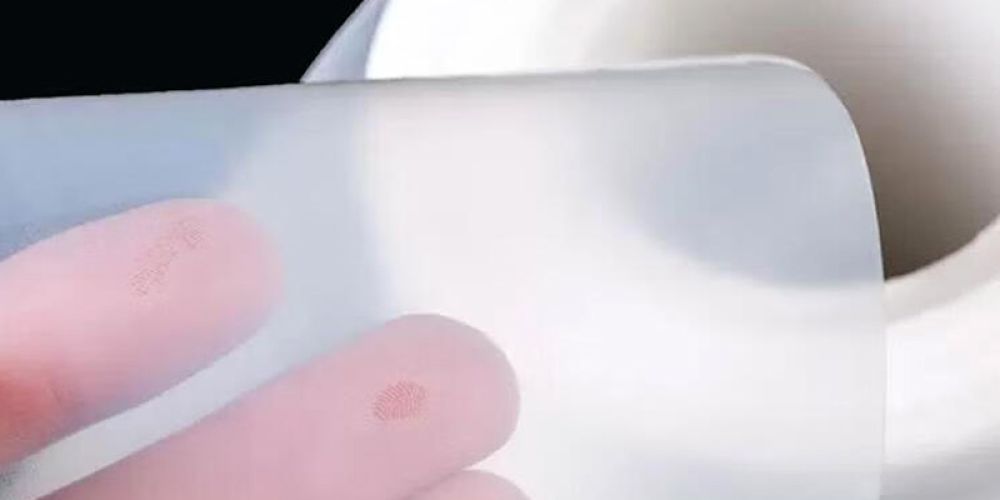
Chemical Inertness: Virtually unreactive with almost all chemical substances; resistant to acids, alkalis, and organic solvents…
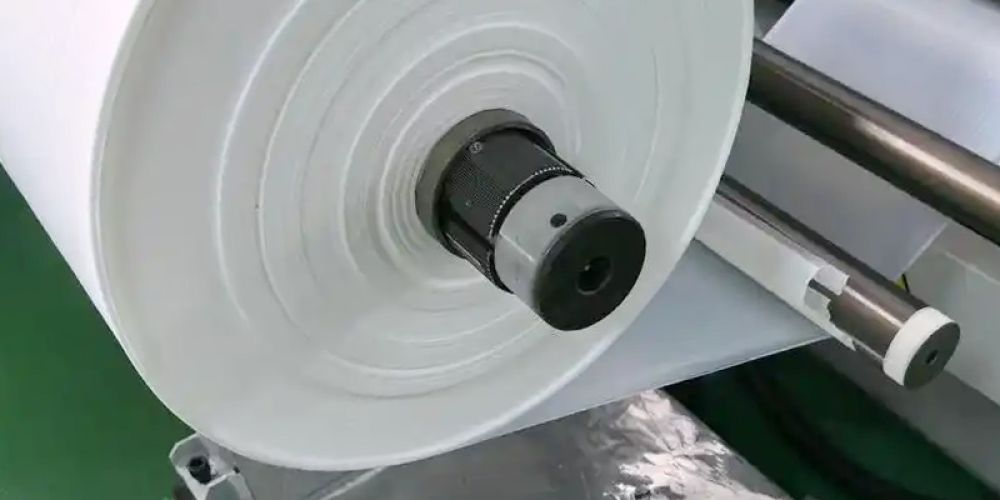
PTFE (polytetrafluoroethylene) film is a high-performance engineering plastic film renowned for its excellent chemical stability, high-temperature…
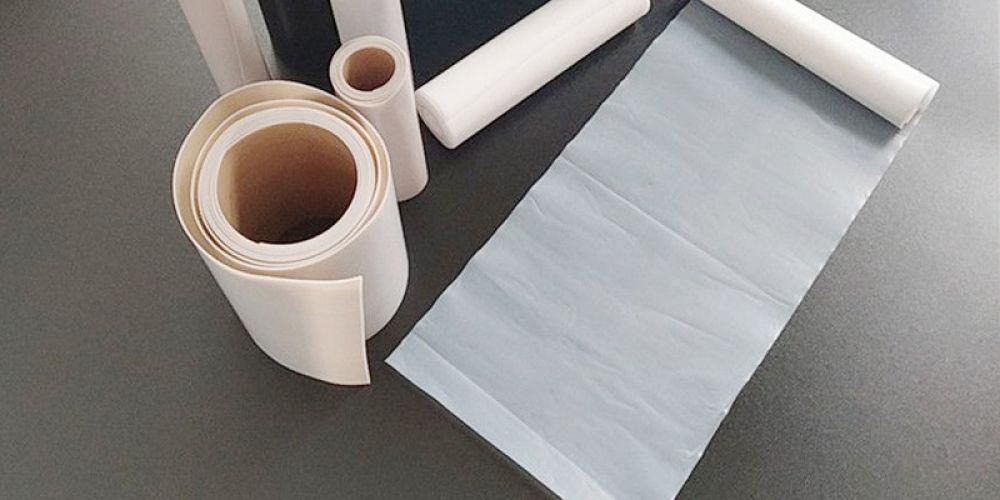
Microporous Structure Porosity exceeds 85%, with 1.4 billion micropores per square centimeter and pore sizes ranging…