
.jpg)
The three most commonly used membrane materials for membrane structures are PVC, PTFE, and ETFE, each with its own characteristics:
**I. PVC Membrane Material:**
Substrate: Polyester fiber
Coating: Polyvinyl chloride resin
Characteristics: Low cost, easy to process, rich colors, but relatively weak durability, with a service life of generally 7-15 years. To improve its performance, a layer of polytetrafluoroethylene (PTFE) coating can be applied to its surface to enhance its anti-aging and self-cleaning abilities.
Application Scenarios: Temporary buildings or projects with cost constraints.
**II. PTFE Membrane Material:**
Substrate: Fiberglass
Coating: Polytetrafluoroethylene resin
Characteristics: High strength, good durability, fire retardant, strong self-cleaning properties, and a service life of over 20 years. Light transmittance is 13%, resulting in naturally diffused light without shadows or glare.
Application Scenarios: Permanent buildings, such as stadiums, airports, and exhibition centers.
III. ETFE Membrane Material
Substrate: Ethylene-tetrafluoroethylene copolymer film
Features: Up to 95% light transmittance, high impact resistance, can be prefabricated with bubble structures, but maintenance costs are relatively high.
Application Scenarios: Buildings requiring large-area lighting, such as large stadiums and exhibition halls.
.jpg)
In the construction field, the heat-sealing production methods for different new membrane materials vary depending on…
.jpg)
In the construction field, the heat-sealing of PVDF membrane materials is mainly achieved through processes such…
.jpg)
Due to its unique molecular structure and excellent overall performance, PVDF (polyvinylidene fluoride) membrane material is…
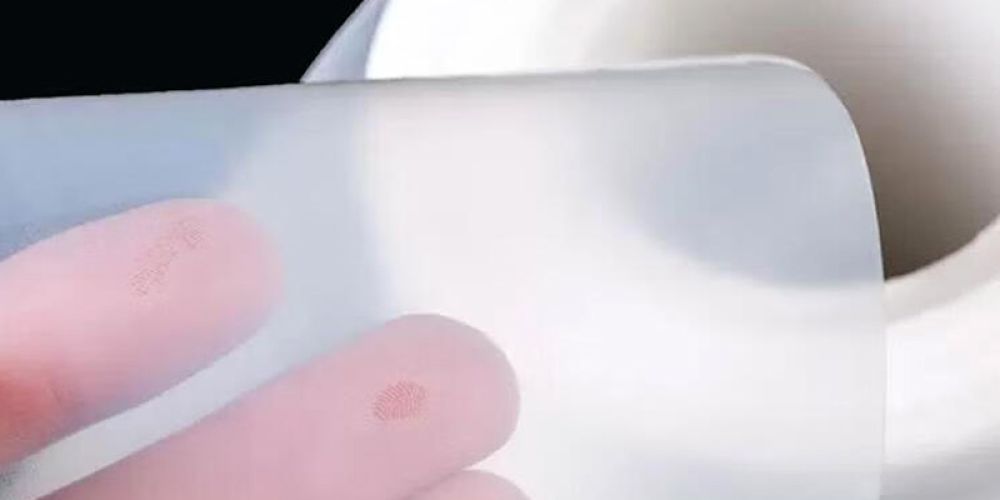
Chemical Inertness: Virtually unreactive with almost all chemical substances; resistant to acids, alkalis, and organic solvents…
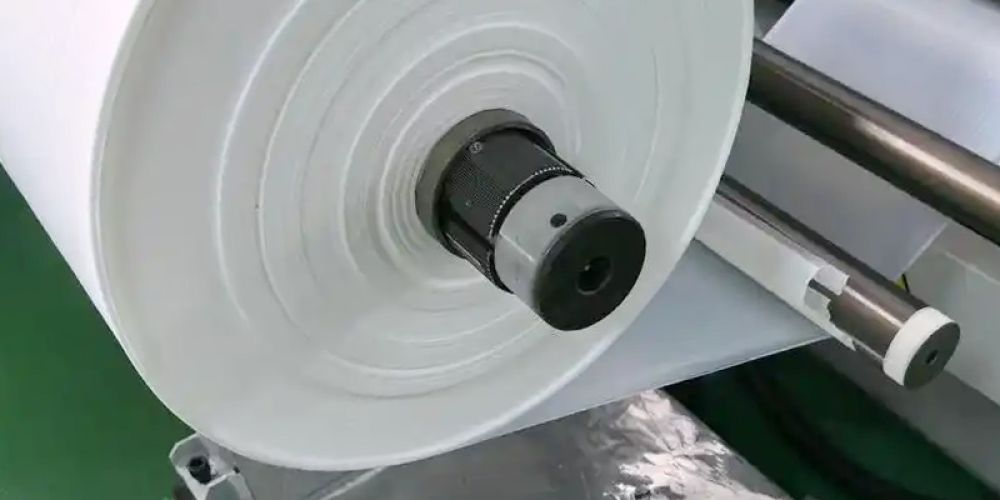
PTFE (polytetrafluoroethylene) film is a high-performance engineering plastic film renowned for its excellent chemical stability, high-temperature…
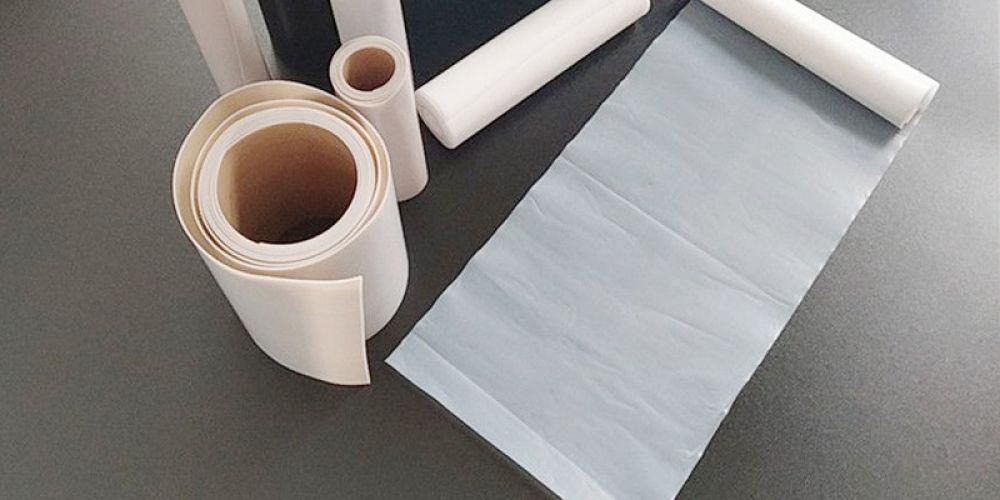
Microporous Structure Porosity exceeds 85%, with 1.4 billion micropores per square centimeter and pore sizes ranging…