
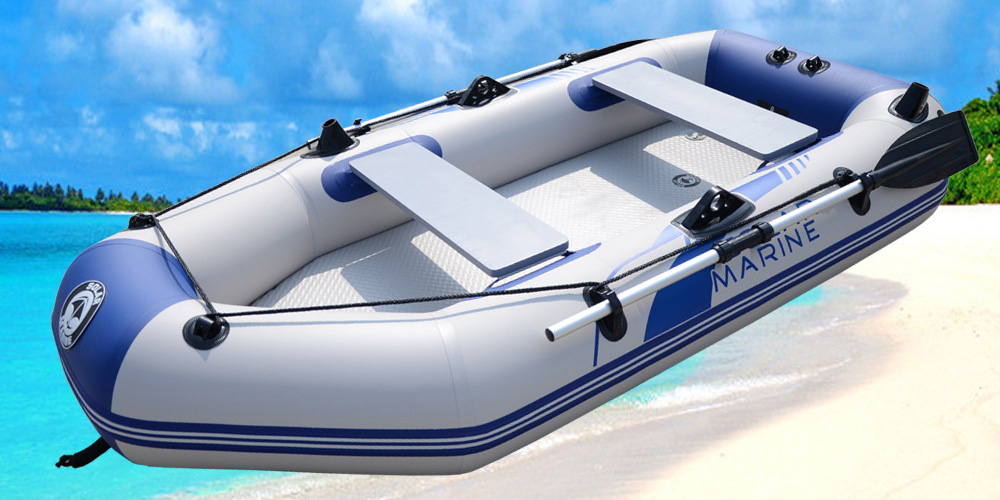
High-Frequency (HF) Welding Machines for Aquatic Products
High-frequency welding machines are widely used to manufacture water-resistant products such as lifebuoys, inflatable sleeping bags, air mattresses, inflatable boat fabrics, and liners. Their working principles and advantages are outlined below:
HF welding machines generate a high-frequency electromagnetic field (typically at 27.12 MHz or 40.68 MHz) via a high-frequency oscillator. This field polarizes molecules within plastic materials, causing rapid motion and frictional heat at the molecular level. Under mold pressure, the heated material bonds seamlessly. Unlike traditional methods, HF welding requires no external heat source and relies solely on dielectric heating through molecular friction, offering these key features:
Aquatic products demand waterproofing, pressure resistance, and durability. Common materials include:
PVC (Polyvinyl Chloride)
TPU (Thermoplastic Polyurethane)
EVA (Ethylene-Vinyl Acetate)
PETG (Glycol-Modified PET)
Lifebuoys
Inflatable Sleeping Bags
Air Mattresses
Inflatable Boat Fabrics
Single-Head Push-Plate HF Machines
Dual-Head Hydraulic HF Machines
Synchronous Welding-Cutting Machines
Conclusion
HF welding machines deliver precision, efficiency, and durability for aquatic product manufacturing. By aligning material choices, equipment configurations, and safety protocols, producers can optimize quality and competitiveness in this demanding industry.
.jpg)
In the construction field, the heat-sealing production methods for different new membrane materials vary depending on…
.jpg)
In the construction field, the heat-sealing of PVDF membrane materials is mainly achieved through processes such…
.jpg)
Due to its unique molecular structure and excellent overall performance, PVDF (polyvinylidene fluoride) membrane material is…
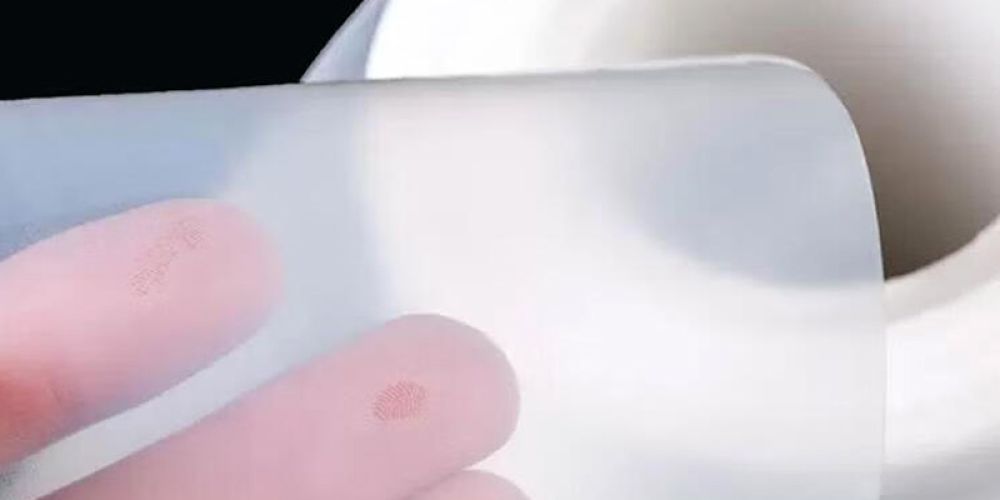
Chemical Inertness: Virtually unreactive with almost all chemical substances; resistant to acids, alkalis, and organic solvents…
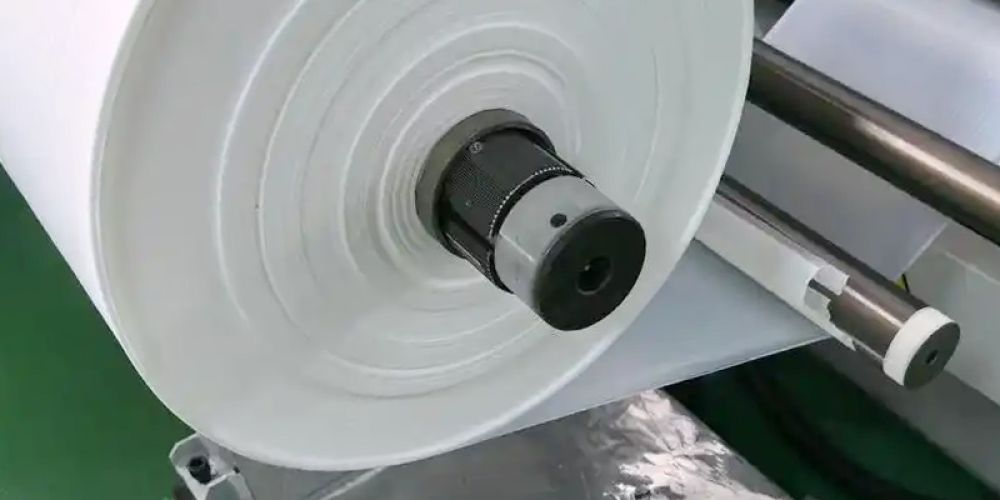
PTFE (polytetrafluoroethylene) film is a high-performance engineering plastic film renowned for its excellent chemical stability, high-temperature…
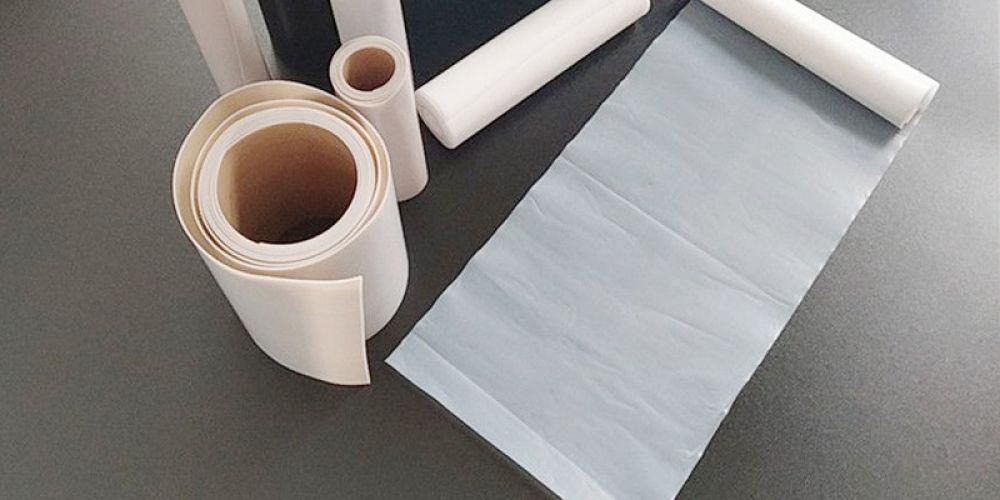
Microporous Structure Porosity exceeds 85%, with 1.4 billion micropores per square centimeter and pore sizes ranging…