Analysis of the Differences between APET film and PVC Film and their heat sealing processes
2025-07-30 06:02:26
I. Material Property Comparison
Composition and Environmental Performance
APET Films:
Composed of extruded polyester resin without auxiliary additives, offering superior eco-friendliness.
Combustion produces only CO₂ and H₂O, complying with REACH regulations. Strictly controlled heavy metal content (Pb ≤ 100 ppm, Cd ≤ 50 ppm) and VOC emissions (total benzene series ≤ 3 mg/m²).
PVC Films:
Primarily consist of polyvinyl chloride resin requiring plasticizers and stabilizers.
Combustion releases hydrochloric acid aerosols from plasticizers, necessitating alkaline neutralization and higher environmental remediation costs.
Physical Properties
Transparency and Gloss:
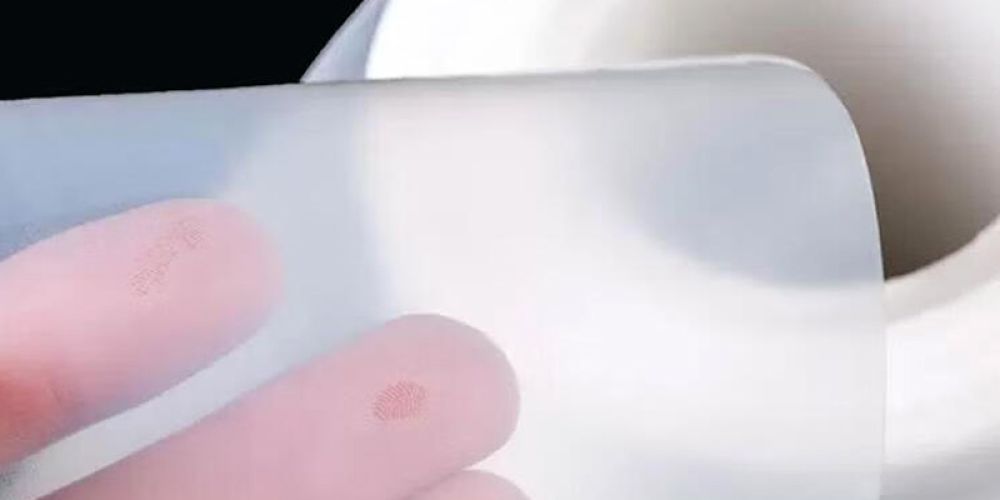
APET films achieve 95% transmittance, glass-like clarity.
PVC films exhibit ~82% transmittance with a bluish tint, significant orange peel texture, and inferior gloss.
Weather Resistance:
APET films remain stable across -40°C to 85°C.
PVC films become brittle below -10°C and emit odorous substances after 8 hours of exposure above 65°C.
Mechanical Strength:
APET films: Rigid and brittle, resistant to deformation.
PVC films: Flexible and foldable but prone to adhesive marks after stretching (fading over time).
Application Scenarios
APET Films:
High-end uses: Food packaging (e.g., supermarket cold-chain boxes), medical packaging (ISO 11607-compliant), and electronics encapsulation (airtightness ≤ 1×10⁻³ Pa·m³/s).
PVC Films:
Cost-sensitive applications: Agricultural market pouches, automotive interiors, promotional balloons, with a typical lifespan of 2–3 years.
II. Heat-Sealing Process Comparison
Heat-Sealing Principles
APET Films:
Utilize thermoplasticity: Heating activates molecular chain movement at contact surfaces. Pressure promotes molecular diffusion and entanglement, forming stable bonds upon cooling.
Critical parameters: Temperature (80–120°C), pressure (0.2–0.8 MPa), time (5–30 sec for hot plate devices; 0.5–3 sec for high-frequency devices).
PVC Films:
Employ high-frequency sealing (polar molecule vibration heating for modified polar materials) or external heat sealing (heat plate conduction). Temperature precision: ±2°C.
Equipment Selection
APET Films:
Hot plate, high-frequency, ultrasonic (20–40 kHz), or pulsed heat sealers. Ultrasonic welding offers penetration advantages for multilayered films, with weld head amplitude at 15–50 μm.
PVC Films:
High-frequency sealers dominate, operating at 13.56 MHz or 27.12 MHz. Ensure wrinkle-free sealing and clean, dust-free cushions during compression.
Quality Control Guidelines
APET Films:
Low sealing strength: Verify interface cleanliness (surface energy ≥ 42 mN/m), apply corona treatment (4–8 kW·min/m² if needed).
Edge warping: Optimize temperature gradient (5–10°C differential).
Dimensional shrinkage: Pre-shrinkage treatment (12–24 hours at 60–80°C).
PVC Films:
Groove bubbling: Increase temperature/vacuum level; ensure sufficient adhesive; cool to room temperature before die release.