
.jpg)
The architectural performance of PTFE (Polytetrafluoroethylene) and PVC (Polyvinyl Chloride) tensioned membranes diverges significantly due to their material properties, as detailed below:
1. Durability & Self-Cleaning Performance
| PTFE Membrane | PVC Membrane |
|---|---|
| Substrate: Woven fiberglass (1200-2400 dtex) with PTFE resin coating (30-50μm) | Substrate: Polyester fabric (600-1000 dtex) with PVC plastisol coating (200-400μm) |
| ◼ Service life: 25-35 years (ISO 15686 certified accelerated aging tests) | ◼ Service life: 8-12 years (upgradable to 15-25 years with PVDF topcoat) |
| ◼ Contact angle >110° (ISO 27448 self-cleaning grade S2) | ◼ Contact angle 80-90° requiring biannual cleaning cycles |
| ◼ 0.5% maximum annual dirt accumulation (ASTM D7869) | ◼ 3-5% annual light transmission loss due to fouling |
2. Light Transmission & Optical Performance
| PTFE | PVC |
|---|---|
| ◼ Translucency: 7-18% (CIE 171:2006 glare-free standard) | ◼ Translucency: 10-30% (potential 40% reduction without UV stabilizers) |
| ◼ Diffuse transmittance >90% (EN 14500) | ◼ Direct transmittance up to 60% requiring light-diffusing interlayers |
| ◼ Luminous efficacy: 85-95 lm/W (IES LM-79 compliant) | ◼ Glare index up to 28 (CIE 117-1995 limit: 19) |
3. Fire Safety & Smoke Behavior
| PTFE | PVC |
|---|---|
| ◼ Class A fire rating (GB 8624/NFPA 285 compliant) | ◼ Class B1 fire rating requiring flame-retardant additives (5-15% antimony trioxide) |
| ◼ Smoke density <75 (ASTM E84) | ◼ Smoke density 200-400 with HCl emission during combustion |
| ◼ Non-dripping behavior (UL 94 V-0) | ◼ Melt dripping at 180-220°C (ISO 1210) |
4. UV Resistance & Aging Stability
| PTFE | PVC |
|---|---|
| ◼ 98% UV reflectance (ASTM G154 QUV-B testing) | ◼ PVDF coating required (≥70% PVDF content per AAMA 2605) |
| ◼ <2% tensile strength loss after 10,000h Xenon exposure | ◼ 15-25% tensile degradation after 5,000h accelerated weathering |
| ◼ No plasticizer migration (FDA 21 CFR 177.1550) | ◼ 0.8-1.2% annual plasticizer loss causing embrittlement |
5. Mechanical Flexibility & Installation
| PTFE | PVC |
|---|---|
| ◼ Tensile strength: 150-250 kN/m (EN ISO 1421) | ◼ Tensile strength: 80-150 kN/m |
| ◼ Minimum bending radius: 300mm (for 1mm membrane) | ◼ Foldable to 50mm radius without cracking |
| ◼ Pre-tensioning requirement: 3-5% initial strain | ◼ 1-2% elastic deformation tolerance |
| ◼ Professional CAD patterning required (DIN 18202 tolerances) | ◼ On-site cutting adaptability (±2% dimensional variance) |
Engineering Recommendation
PTFE membranes remain the premier choice for permanent architectural installations demanding extreme durability and maintenance-free operation, while PVC membranes provide cost-efficient solutions for temporary structures (<10-year lifespan). Our material science team can provide FTIR spectral analysis and stress-strain curves for customized membrane selection.
For comprehensive fire certification documentation (IGCC/LEED compliant) or wind load calculations (ASCE 7-16), consult our structural engineering department.
.jpg)
In the construction field, the heat-sealing production methods for different new membrane materials vary depending on…
.jpg)
In the construction field, the heat-sealing of PVDF membrane materials is mainly achieved through processes such…
.jpg)
Due to its unique molecular structure and excellent overall performance, PVDF (polyvinylidene fluoride) membrane material is…
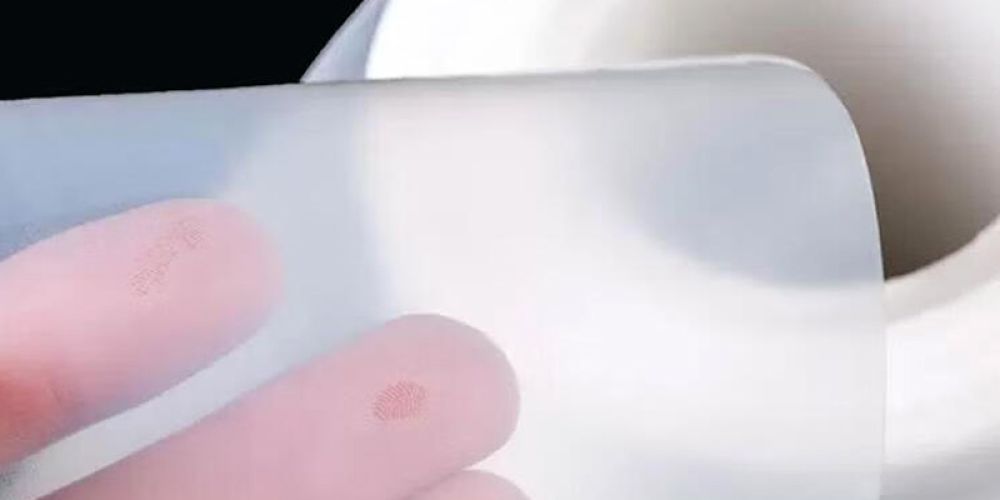
Chemical Inertness: Virtually unreactive with almost all chemical substances; resistant to acids, alkalis, and organic solvents…
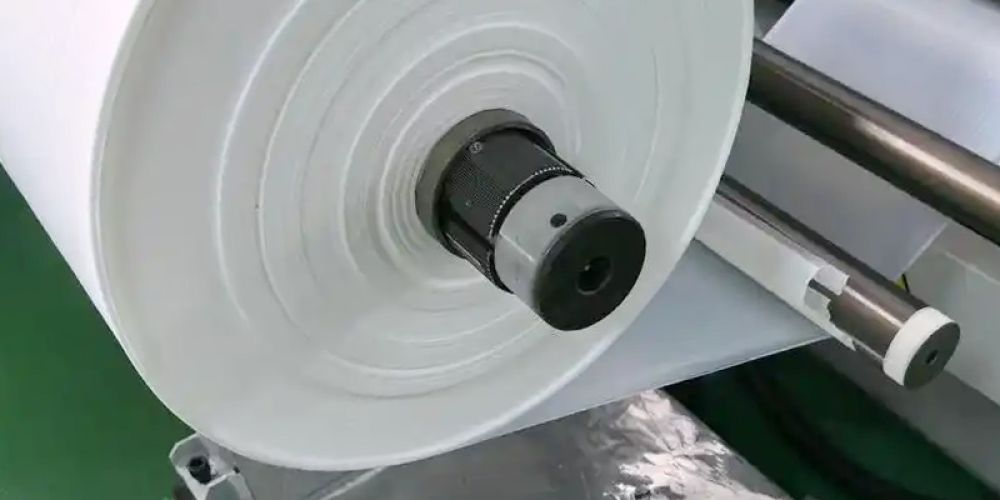
PTFE (polytetrafluoroethylene) film is a high-performance engineering plastic film renowned for its excellent chemical stability, high-temperature…
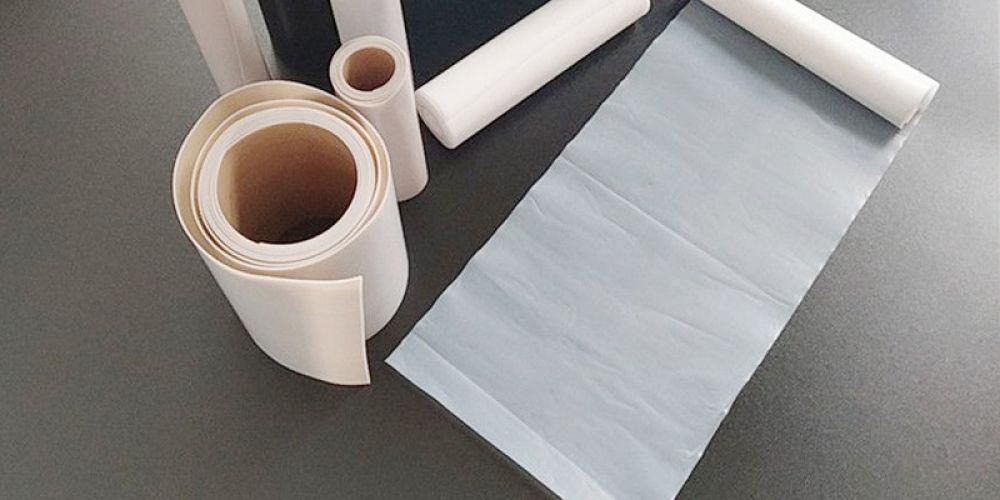
Microporous Structure Porosity exceeds 85%, with 1.4 billion micropores per square centimeter and pore sizes ranging…