How is ETFE membrane material heated to synthesize gas pillows
2025-08-05 08:38:35
The process of thermally fusing ETFE membrane to create air cushions involves multiple critical steps, requiring precise control of material properties and technical parameters. Details are as follows:
1. Material Preparation and Cutting
Material Selection
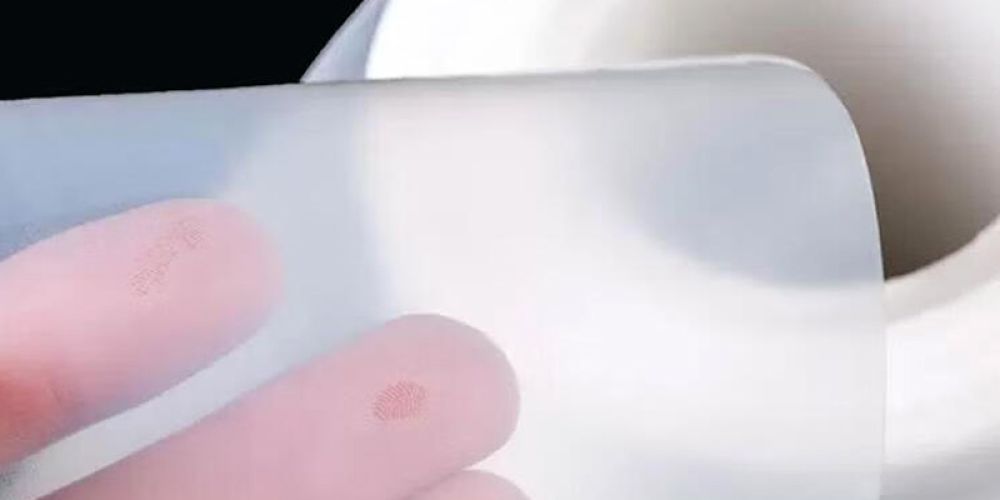
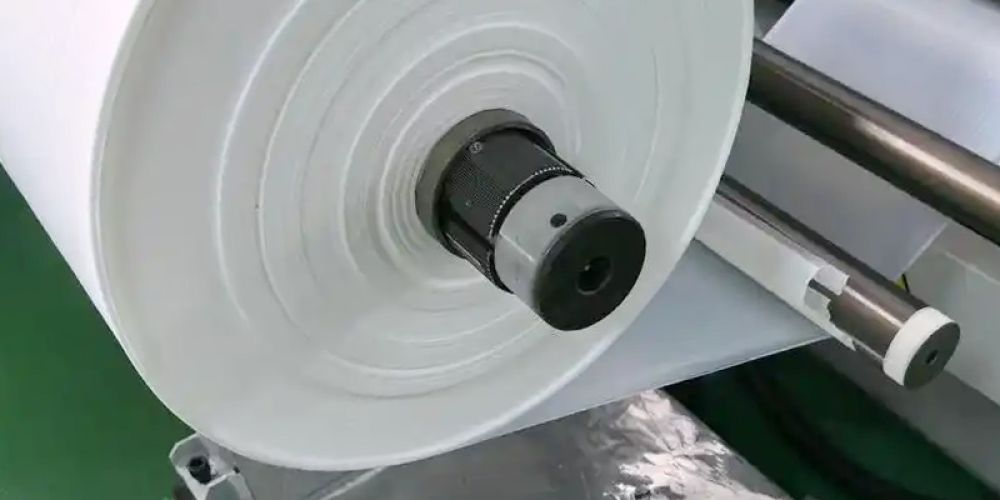
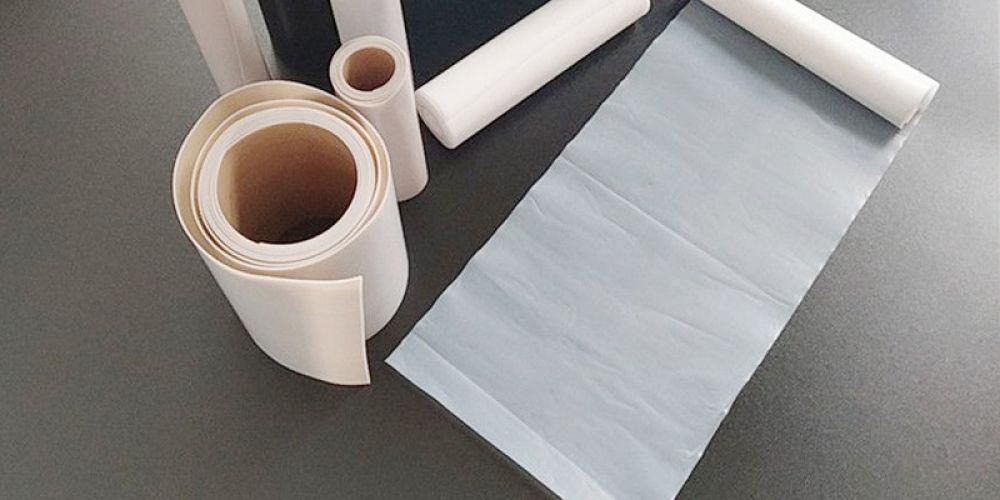
ETFE (ethylene tetrafluoroethylene copolymer) membranes are available in single-layer and dual-layer configurations.
Air cushions typically use dual-layer ETFE membranes:
Outer layer: Provides weather resistance (rain/snow) and UV protection.
Inner layer: May incorporate PTFE (polytetrafluoroethylene) for thermal insulation, anti-condensation, soundproofing, and light diffusion control.
Thickness variations:
Outdoor single-layer membranes: 0.25 mm.
Indoor applications: 0.1–0.2 mm.
Cutting Design
Membranes are precision-cut based on the air cushion’s curvature and dimensions.
Cutting accounts for post-fusion shrinkage rates and structural stress distribution to ensure the final shape matches design specifications.
2. Thermal Fusion Process and Joint Methods
Fusion Principle
Membranes are bonded by heating to melting point while applying pressure, creating waterproof, high-strength seams with uniform stress distribution.
Fusion Techniques
Electric-heated fusion: Uses preheated molds to directly fuse membranes.
Joint Types
Overlap joints: Edges are overlapped and fused; overlap width determines joint strength.
Butt joints with single overlay: Align edges and fuse; suitable for membranes of equal thickness.
Butt joints with dual overlay: Add an extra layer at the joint to enhance strength and sealing.
3. Parameter Control for Thermal Fusion
Temperature
Adjusted based on membrane type/thickness.
Too low: Insufficient melting → weak joints.
Too high: Risk of burn-through or deformation.
Optimal range determined via test welds.
Pressure and Duration
Uniform pressure ensures full material fusion.
Duration calibrated to membrane thickness and heating method to avoid defects.
Testing and Inspection
Test welds using scrap materials validate joint strength via tensile and peel tests.
Daily pre-production testing ensures process stability.
4. Air Cushion Shaping and Inflation
Curvature Formation
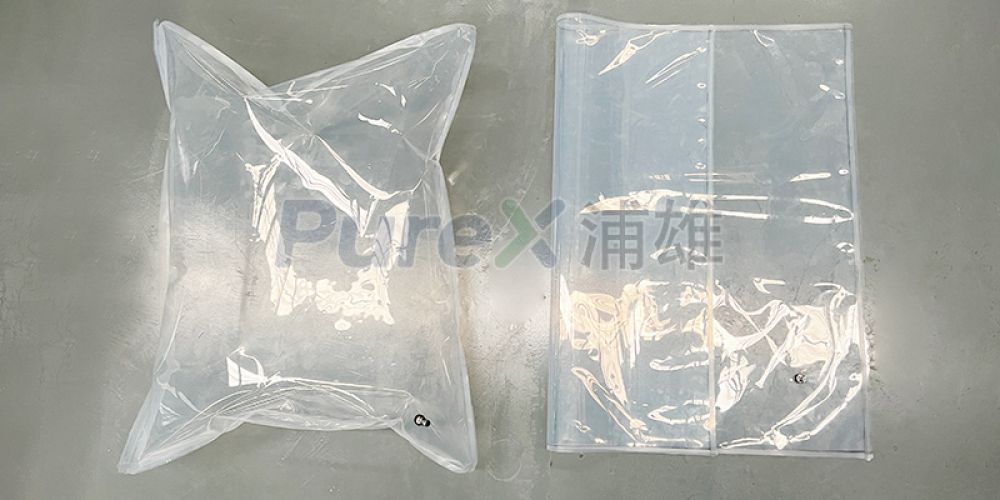
Fused membranes are bent into designed curves, with edges fused into a seamless structure.
Wrinkle prevention: Use soft tubing at folds or localized heating.
Edge Sealing
Edges are sealed to prevent gas leakage, using materials compatible with ETFE for long-term integrity.
Inflation and Adjustment
Secure deflated cushions to a steel frame, aligning angles for full contact.
Install inflation hoses and mechanical systems for pressure testing.
Post-inflation:
Maintain internal pressure as per design for structural stability.
Use monitoring systems to dynamically adjust pressure, light transmittance, and insulation for environmental adaptation.