• info@chinapuxiong.com

BLOGS

All Blogs

The application of ETFE membrane surface materials and air bag membranes in Roofing engineering

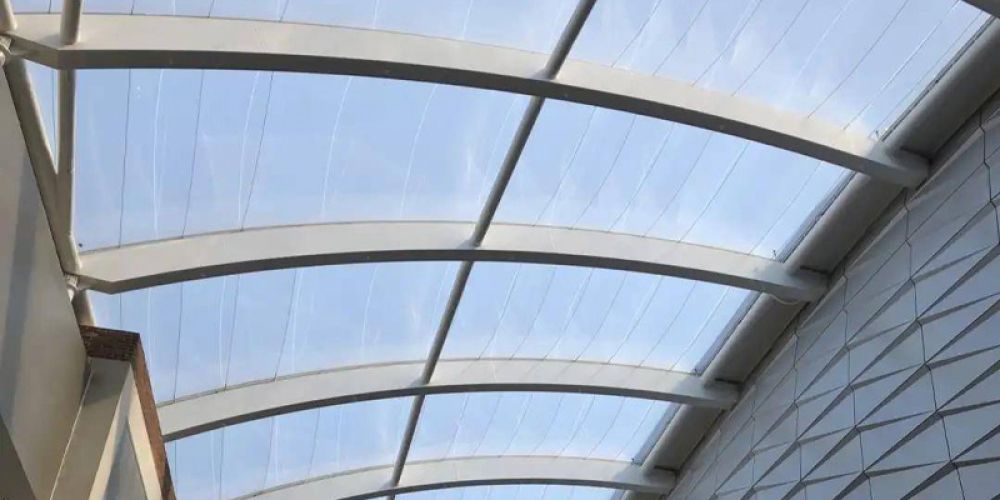
ETFE membrane materials and air-supported cushion structures, formed by inflating air-filled cushions, are widely used in large-span building roofs and walls due to their high light transmittance, lightweight strength, weather resistance, and ability to harmonize natural lighting, thermal insulation, energy efficiency, and environmental sustainability. Below is a detailed analysis of their applications:


I. Core Properties of ETFE Membrane

1. High Light Transmittance and Adjustability

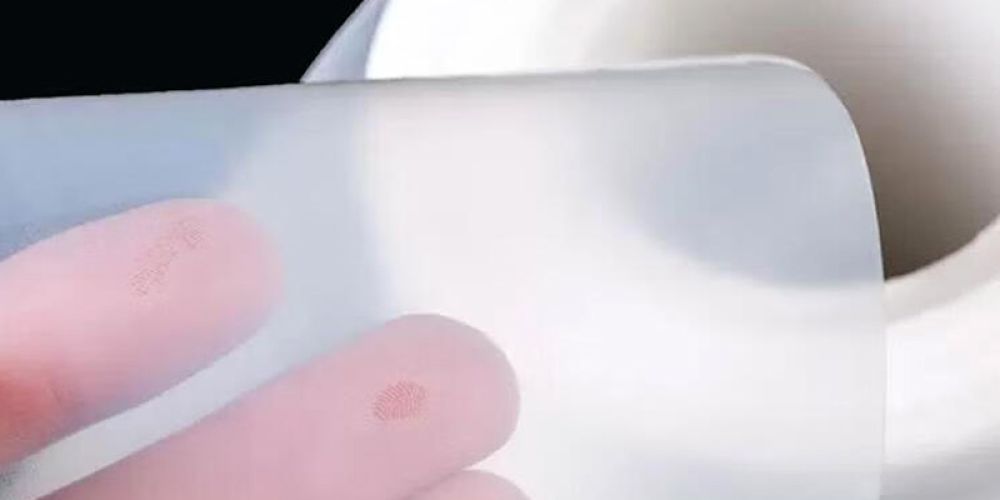
  • ETFE membranes boast a light transmittance of up to 95%, earning them the nickname "flexible glass." They effectively channel natural light, reducing reliance on artificial lighting.
  • Light transmittance can be adjusted (down to 50%) through surface printing or varying membrane layers to suit diverse lighting requirements.

2. Lightweight Strength and Durability

  • Ultra-lightweight (0.15–0.35 kg/m²) with a tensile strength of 50 MPa and elongation at break exceeding 300%.
  • Resists extreme weather (e.g., strong winds, hail) and maintains structural integrity.
  • 25–35-year lifespan without degradation from UV exposure or chemicals.

3. Self-Cleaning and Sustainability

  • Anti-adhesive surface allows rainwater to wash away dirt, requiring cleaning only every 5 years with minimal maintenance.
  • Fully recyclable, aligning with green building standards.

4. Thermal Performance and Adaptability

  • Thermal insulation can be optimized by adjusting membrane layers (e.g., double- or triple-layer cushions), achieving a thermal transmittance (K-value) as low as 2.0 W/(m²·K).
  • Internal pressure adapts to external loads, enabling self-stabilizing structures.

II. Technical Principles of Air-Supported Cushion Structures

1. Structural Composition

  • Air cushions are formed by thermally welding two or more ETFE membranes into sealed units.
  • Edges are secured to the building’s primary structure (e.g., steel frames or gutters) using aluminum alloy clamps, while dry air maintains internal pressure.

2. Load-Bearing Mechanism

  • External loads (e.g., wind, snow) are resisted through a combination of membrane strength and internal air pressure.
  • Multilayer designs distribute stress and enhance impact resistance.

3. Installation and Maintenance

  • Prefabricated as standardized modules for rapid on-site assembly and inflation, significantly shortening construction timelines.
  • Localized damage can be repaired via patching or module replacement, eliminating the need for full structural overhauls.