
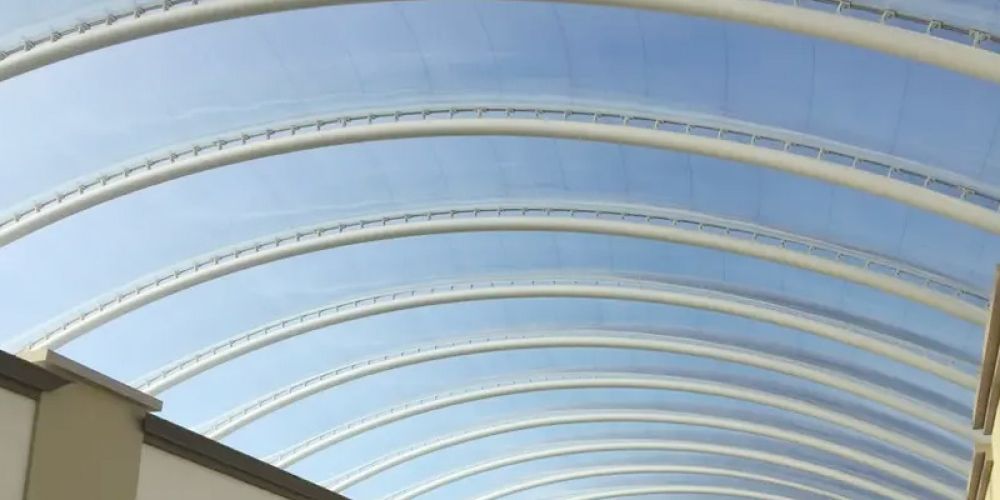
ETFE air-supported cushions are widely used in sports stadiums (e.g., Beijing’s "Water Cube"), convention centers, and airport terminals due to their lightweight nature and large-span capabilities. Their transparency creates expansive, open spaces while reducing structural weight and seismic loads.
ETFE membranes replace traditional glass curtain walls, offering higher light transmittance and lower energy consumption. For example, the UK’s "Eden Project" greenhouse uses ETFE cushions to provide optimal light for plant growth while regulating indoor temperature and humidity through multilayer designs.
ETFE membranes can be thermally molded into complex shapes for architectural innovation. The Moby Dick swimming pool roof in Germany, for instance, features streamlined air cushions that seamlessly blend with the building’s sculptural form.
ETFE cushions’ lightweight and modular design make them ideal for temporary pavilions, emergency shelters, and more. Hangzhou Yintai Plaza’s ETFE canopy, for example, combines avant-garde inflatable technology with striking visual appeal while offering sun and rain protection.
Beijing "Water Cube"
UK "Eden Project"
Hangzhou Yintai Plaza
.jpg)
In the construction field, the heat-sealing production methods for different new membrane materials vary depending on…
.jpg)
In the construction field, the heat-sealing of PVDF membrane materials is mainly achieved through processes such…
.jpg)
Due to its unique molecular structure and excellent overall performance, PVDF (polyvinylidene fluoride) membrane material is…
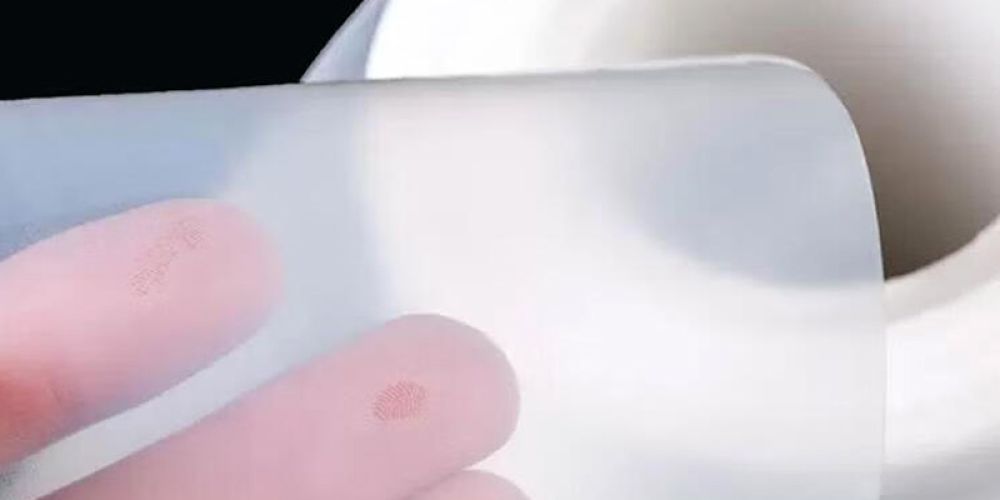
Chemical Inertness: Virtually unreactive with almost all chemical substances; resistant to acids, alkalis, and organic solvents…
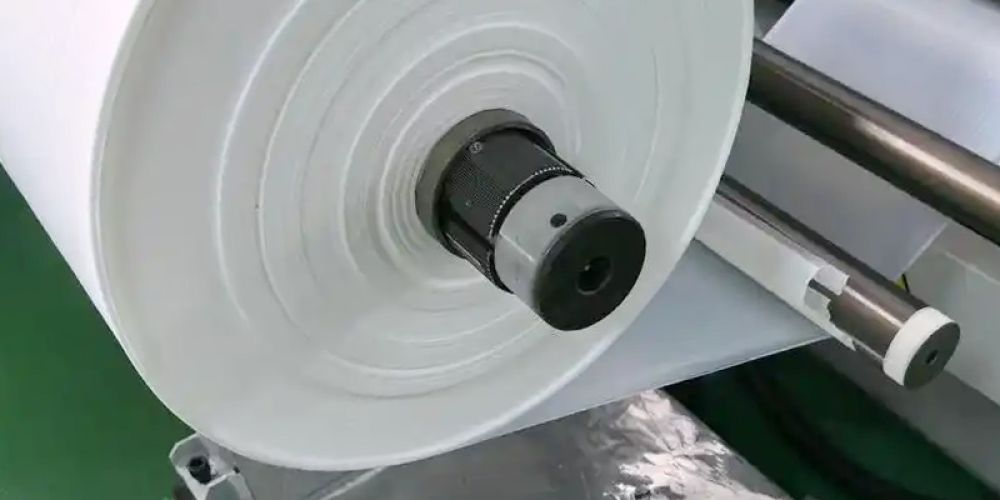
PTFE (polytetrafluoroethylene) film is a high-performance engineering plastic film renowned for its excellent chemical stability, high-temperature…
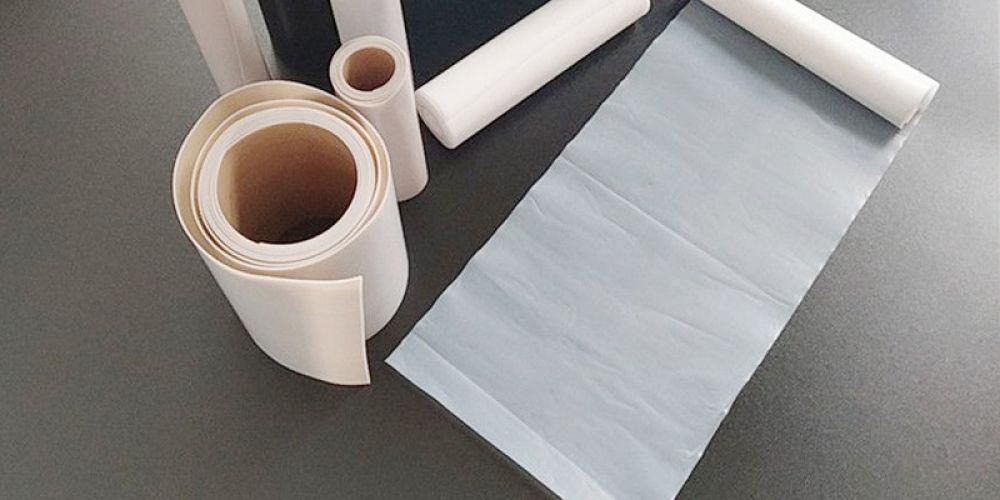
Microporous Structure Porosity exceeds 85%, with 1.4 billion micropores per square centimeter and pore sizes ranging…