
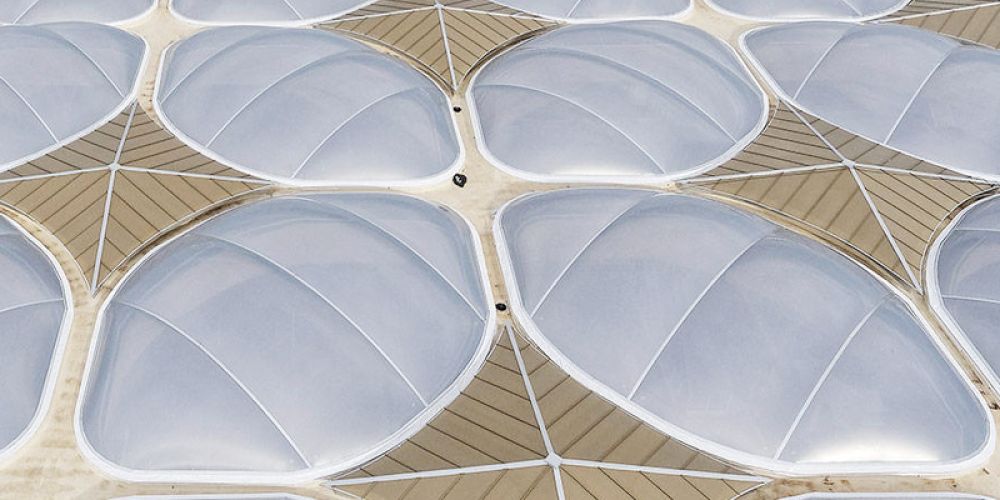
Airbag Membrane: Functional Composite for Adaptive Structures
An airbag membrane is a composite material system combining elastic membranes (rubber, nylon, or polyester) with rigid frameworks to form pressurized enclosures. Its core mechanism utilizes elastic pressure transmission to create lightweight yet high-strength structures, extensively applied in construction, industry, packaging, safety systems, and recreational equipment. Below is a detailed technical exposition:
I. Technical Principles & Structural Configuration
Elastic-Rigid Hybrid Design
The system typically comprises an elastic membrane (e.g., rubber bladder) and rigid mold. Upon inflation, the elastic membrane evenly distributes pressure across laminated substrates, ensuring precise surface geometry at mold interfaces while tolerating dimensional variances at membrane-contact zones. This design optimizes structural stability while reducing manufacturing costs.
Pneumatic Forming Mechanism
Controlled inflation with compressed air/inert gas enables shape programming of the membrane. For instance, automotive airbag membranes utilize nylon 66 or polyester fibers, connecting inflation ports to pyrotechnic gas generators for rapid (<30ms) deployment with precise geometric control.
II. Key Performance Characteristics
.jpg)
In the construction field, the heat-sealing production methods for different new membrane materials vary depending on…
.jpg)
In the construction field, the heat-sealing of PVDF membrane materials is mainly achieved through processes such…
.jpg)
Due to its unique molecular structure and excellent overall performance, PVDF (polyvinylidene fluoride) membrane material is…
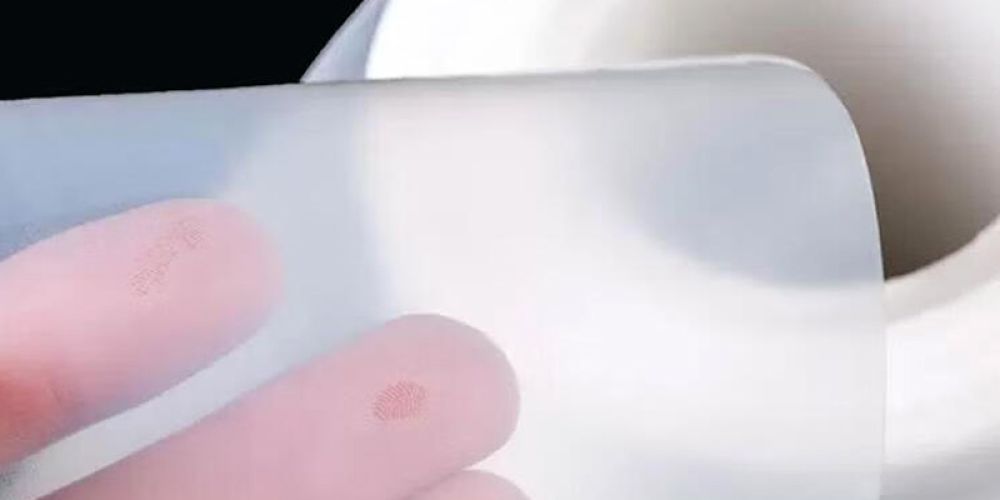
Chemical Inertness: Virtually unreactive with almost all chemical substances; resistant to acids, alkalis, and organic solvents…
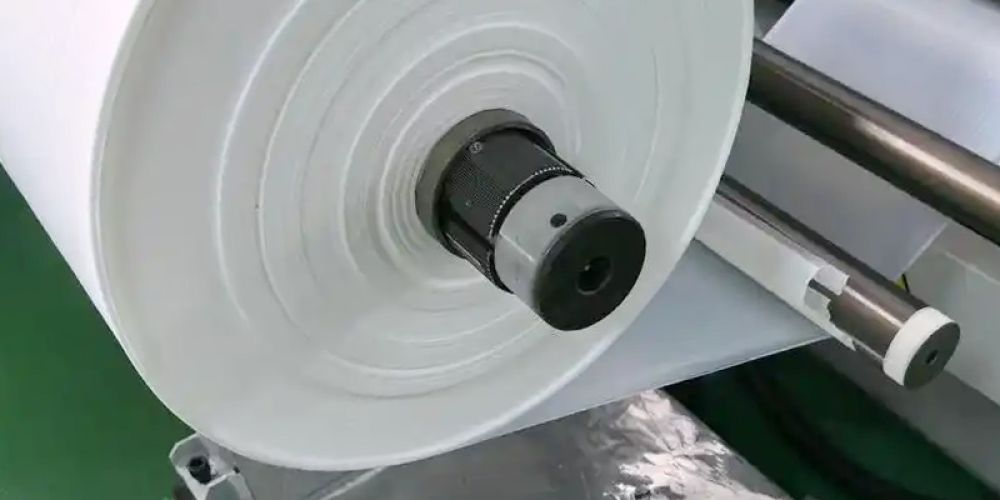
PTFE (polytetrafluoroethylene) film is a high-performance engineering plastic film renowned for its excellent chemical stability, high-temperature…
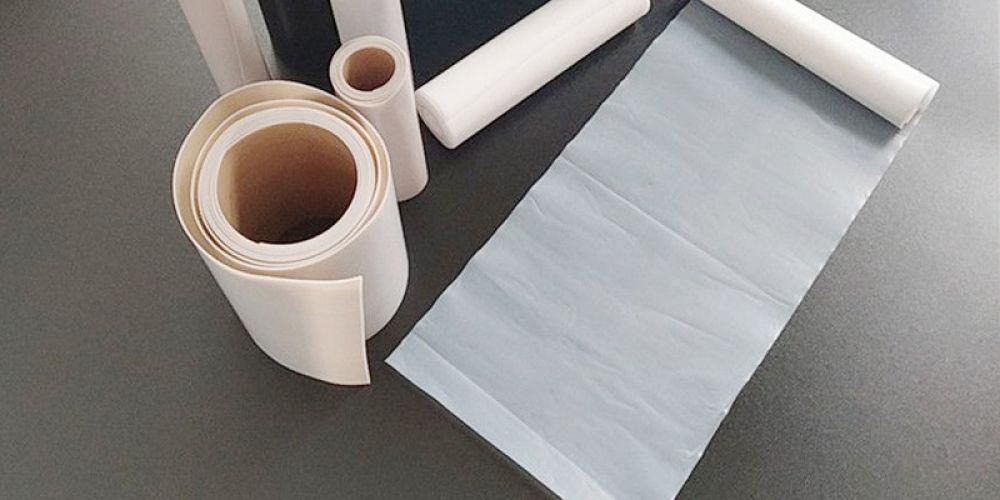
Microporous Structure Porosity exceeds 85%, with 1.4 billion micropores per square centimeter and pore sizes ranging…