Materials used in membrane structures are diverse, each offering unique properties tailored for specific applications. Below is a classification based on material type and functionality:
I. Classification by Material
1. PTFE Membrane (Polytetrafluoroethylene-Coated Fiberglass Fabric)
- Structure: Fiberglass substrate coated with PTFE resin.
- Features:
- High durability: Service life exceeding 25 years; UV-resistant, corrosion-resistant, and aging-resistant.
- Self-cleaning: Smooth surface minimizes dust adhesion; cleanable via rainwater.
- Adjustable translucency: 5%–15% light transmission blocks UV while diffusing natural light.
- Fire resistance: Compliant with B1 fire rating and international building codes.
- Applications: Permanent structures (e.g., stadiums like the Bird’s Nest), airport terminals, convention centers.
2. ETFE Membrane (Ethylene Tetrafluoroethylene Copolymer)
- Structure: Extruded ETFE resin film, used as single or multilayer inflated panels.
- Features:
- Lightweight yet strong: 1% the weight of glass with high tensile strength; resists wind/snow loads.
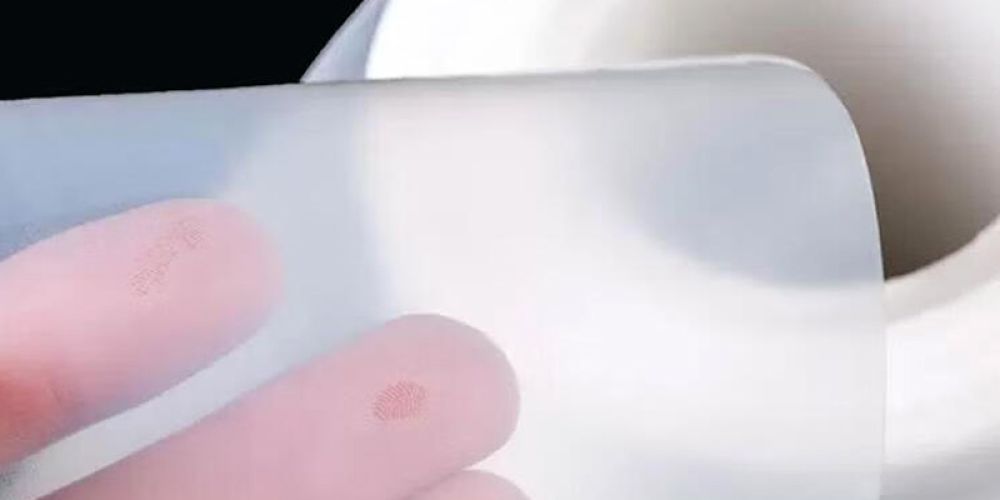
- High transparency: Up to 95% light transmission; regulates indoor light and temperature.
- Self-cleaning: Non-stick surface sheds dust with rain.
- Eco-friendly: Recyclable and non-toxic when burned, aligning with green building standards.
- Applications: Inflatable domes (e.g., London Olympics’ Water Cube), skylights, and architectural installations.
3. PVC Membrane (Polyvinyl Chloride-Coated Polyester Fabric)
- Structure: Polyester fabric coated with PVC resin, plasticizers, and anti-aging additives.
- Features:
- Cost-effective: ~1/3 the price of PTFE, ideal for budget projects.
- Easy processing: Weldable and cuttable for complex designs.
- Color variety: Available in multiple hues for aesthetic flexibility.
- Moderate durability: Service life ~10–15 years; requires periodic maintenance.
- Applications: Temporary structures, awnings, advertising canopies, stadium covers.
4. PVDF Membrane (Polyvinylidene Fluoride-Coated Polyester Fabric)
- Structure: PVC membrane with an additional PVDF resin coating.
- Features:
- Enhanced weather resistance: Superior UV/chemical resistance; lifespan extends to 15–20 years.
- Improved self-cleaning: Smoother surface reduces dust retention.
- Retains flexibility: Maintains PVC’s workability for easy installation.
- Applications: Mid-life projects (e.g., commercial street canopies, exhibition halls).
5. Silicone-Coated Fiberglass Fabric
- Structure: Fiberglass substrate coated with silicone rubber.
- Features:
- High-temperature resistance: Operates in -70°C to +250°C environments.
- Fireproof: Meets Class A fire standards for high-safety applications.
- Low translucency: Ideal for shading requirements.
- Applications: Fireproof curtains, industrial sunshades, duct expansion joints.
II. Classification by Function
- Translucent Membranes (e.g., ETFE, PTFE): Skylights and installations requiring natural light diffusion.
- Sunshade Membranes (e.g., PVC, PVDF): Awnings, stadium covers for solar protection.
- Fireproof Membranes (e.g., silicone-coated fiberglass): Fire-rated partitions, industrial shade systems.
- Tensioned Membranes (e.g., PTFE, ETFE): Span large areas using cables or masts for open-space structures.
- Inflatable Membranes (e.g., ETFE multilayer systems): Air-supported structures like domes or stadiums.
III. Material Selection Guidelines
- Permanent structures: Prioritize PTFE or ETFE for durability, light transmission, and self-cleaning.
- Temporary/low-budget projects: Opt for PVC/PVDF to balance cost and functionality.
- Special environments: Use silicone-coated fiberglass for extreme heat/fire safety; ETFE for maximum transparency.
- Complex designs: PVC/PVDF’s flexibility suits unconventional shapes.